Southern Portugal’s vast geological reserve has celebrated a major milestone after receiving its formal certificate from international park authorities.
Article by:
PUBLISHED:
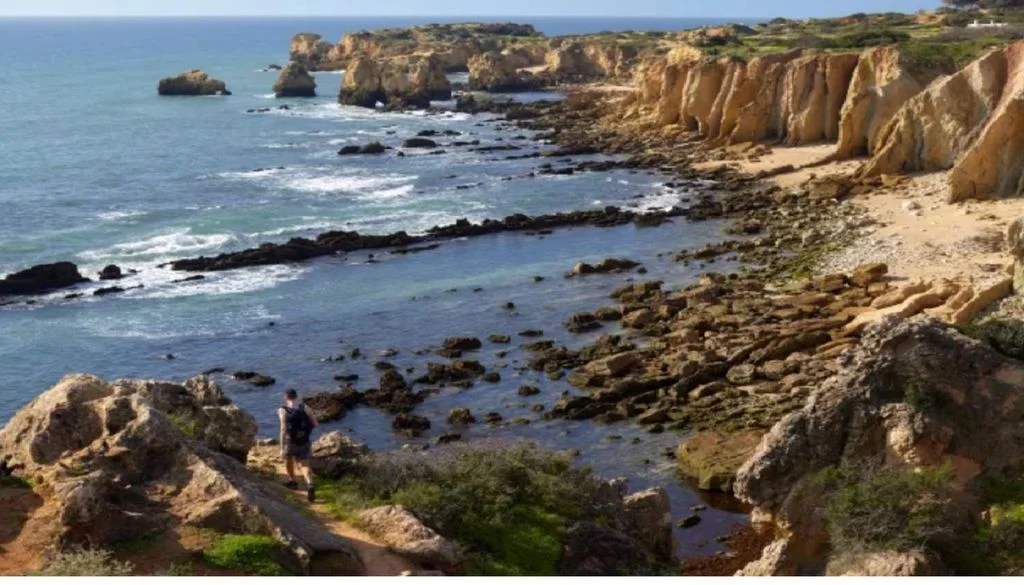
Southern Portugal’s expansive natural territory, the Algarvensis UNESCO Global Geopark, has reached a significant milestone following the official presentation of a geopark recognition certificate.
The handover ceremony took place in Finland at the Saimaa UNESCO Global Geopark during the eighteenth European Geoparks Conference, which took place between 16 and 18 September. According to a media report, executive board members representing the Global Geoparks Network formally presented the certificate to regional representatives.
This presentation follows UNESCO’s earlier formal recognition of the site, which officially added the territory to its designated global geoparks list for 2026, the report said.
Encompassing a wide expanse in the south of Portugal, the park spans three main municipalities: Albufeira, Loulé, and Silves. The territory features a remarkable geological story stretching back roughly 330 million years. Over this vast timeframe, the surrounding terrain was gradually shaped by complex natural forces, including tectonic activity, volcanic events, sedimentation processes, and continually changing marine environments.
According to UNESCO, several distinctive natural landmarks make the area unique. Notable among these are the tsunami sediment deposits located at Lagoa dos Salgados, which bear direct historical ties to the famous 1755 Lisbon earthquake. In addition, the region boasts the Loulé Salt Mine, which UNESCO highlights as being the deepest point anywhere in Portugal that remains open to the public.
[See more: Seven Wonders of Portugal: new list revealed to boost regional tourism]
Beyond its earth science importance, the UNESCO designation draws attention to the region’s valuable ecosystems alongside its rich human legacy. The territory is home to megalithic structures, archaeological remains from the Roman and Islamic eras, traditional rural villages, local crafts, and regional gastronomy.
Civic leaders have welcomed the international validation. Rui Cristina, the Mayor of Albufeira, told media that the formal recognition could prove instrumental in directing greater attention towards the municipality’s inland regions. He stated that the accolade gives proper value to heritage that forms a core part of local identity. Furthermore, he expressed hope that this new era will help promote local products, foster traditional knowledge, and generate fresh economic opportunities for local residents.