Portuguese-owned Angonabeiro has injected approximately US$1.5 million into Angola’s agricultural sector to support local farmers and boost production capacity.
Article by:
PUBLISHED:
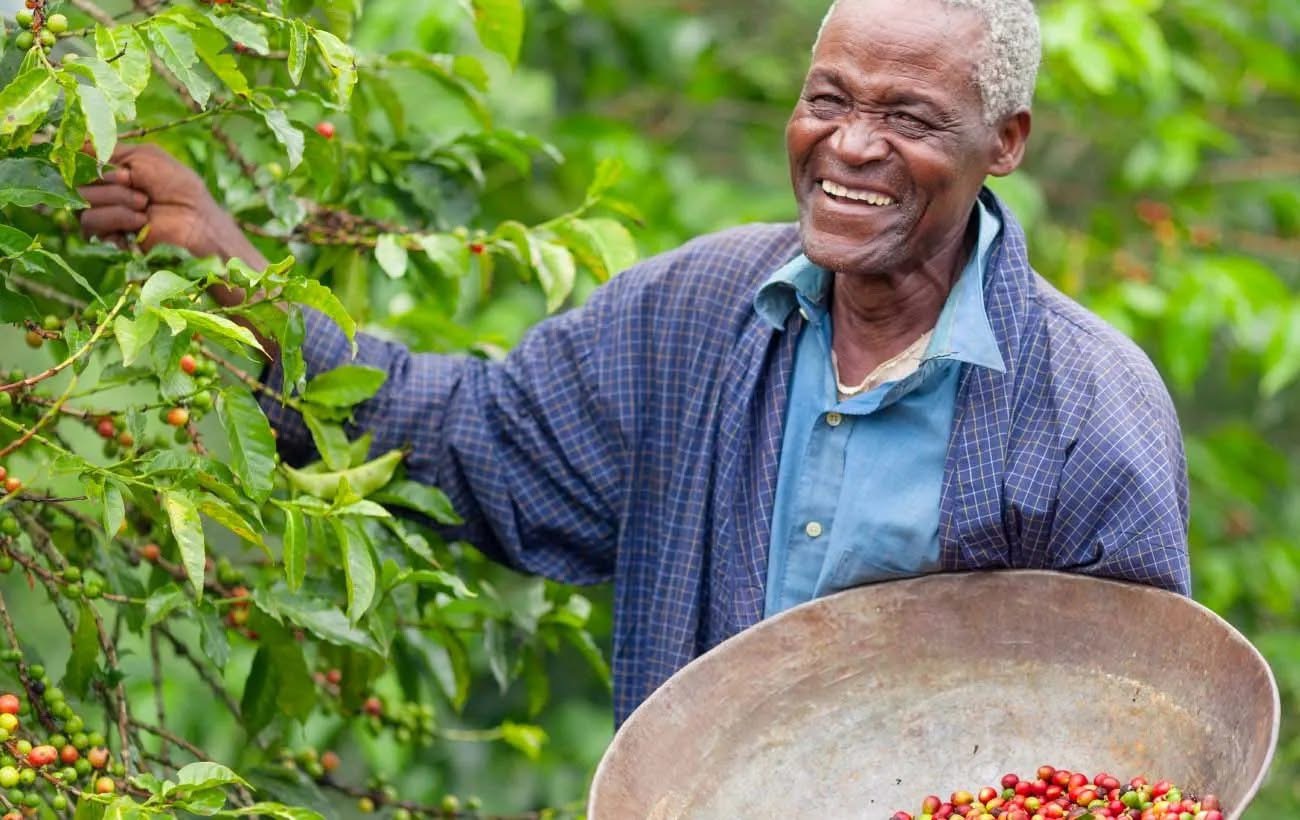
Portuguese-owned Angonabeiro advanced around US$1.5 million to coffee producers in Angola during the latest crop season, marking a significant step in ongoing efforts to champion the Angolan coffee revival and strengthen a sector that once stood among the nation’s primary export earners.
Operating as part of Portugal’s Grupo Nabeiro/Delta Cafés, the company has maintained ties with Angolan coffee production for 28 years and currently collaborates with roughly 30,000 growers, Forbes reports.
Rui Gonçalves, the general manager of Angonabeiro, explained in Luanda that these vital funds are designed to help producers prepare their farms for the upcoming cycle while expanding overall production capacity. Speaking at a coffee round table, Gonçalves noted that production growth begins long before the harvest and that comprehensive support extends far beyond mere financing.
In addition to financial advances, the enterprise has supplied essential farm tools, tractors, and other equipment to assist growers in preparing their land and raising productivity levels. Gonçalves emphasised that while the company operates as a commercial entity rather than a bank, this commitment reflects the belief that Angonabeiro’s long-term success is inextricably linked to the prosperity of local producers and the wider agricultural supply chain.
Historically, Angola ranked among the world’s leading coffee producers prior to independence, but output subsequently collapsed following decades of conflict and underinvestment. In response, the government has actively sought to drive the Angolan coffee revival as part of a broader economic diversification strategy away from oil dependency.
According to figures from the National Coffee Institute, Angola produced 10,500 tonnes of commercial coffee in 2025, representing an increase of 38.4 percent compared to the previous year. Meanwhile, exports reached 3,288 tonnes, generating approximately US$12 million in revenue, with Portugal serving as the primary destination by accounting for roughly one third of the total volume.
[See more: Angola and Brazil agricultural partnership targets grain production]
Despite these encouraging signs of recovery, the stark scale of historical decline remains evident. Back in 1973, prior to independence and the outbreak of civil war, the country produced approximately 230,000 tonnes of coffee.
Financial reporting indicates that Angonabeiro reported a turnover of Kz 26.386 billion (US$29 million) in 2024, alongside exports valued at Kz 1.15 billion.
The company continues to produce and marketing Ginga, a well-known brand established in the late 1990s following the rehabilitation of the former Liangol industrial coffee unit in Luanda. Sourcing coffee from thousands of family-run farms across traditional provinces such as Uíge, Cuanza Sul, Cuanza Norte, Bié, and Cabinda, Angonabeiro plays a central role in shaping the modern industry alongside other regional operators and estates.
Ultimately, ongoing discussions among industry leaders in Luanda continue to focus on financing, domestic consumption, and export potential as stakeholders strive to rebuild a sector still positioned far below its pre-independence peak.