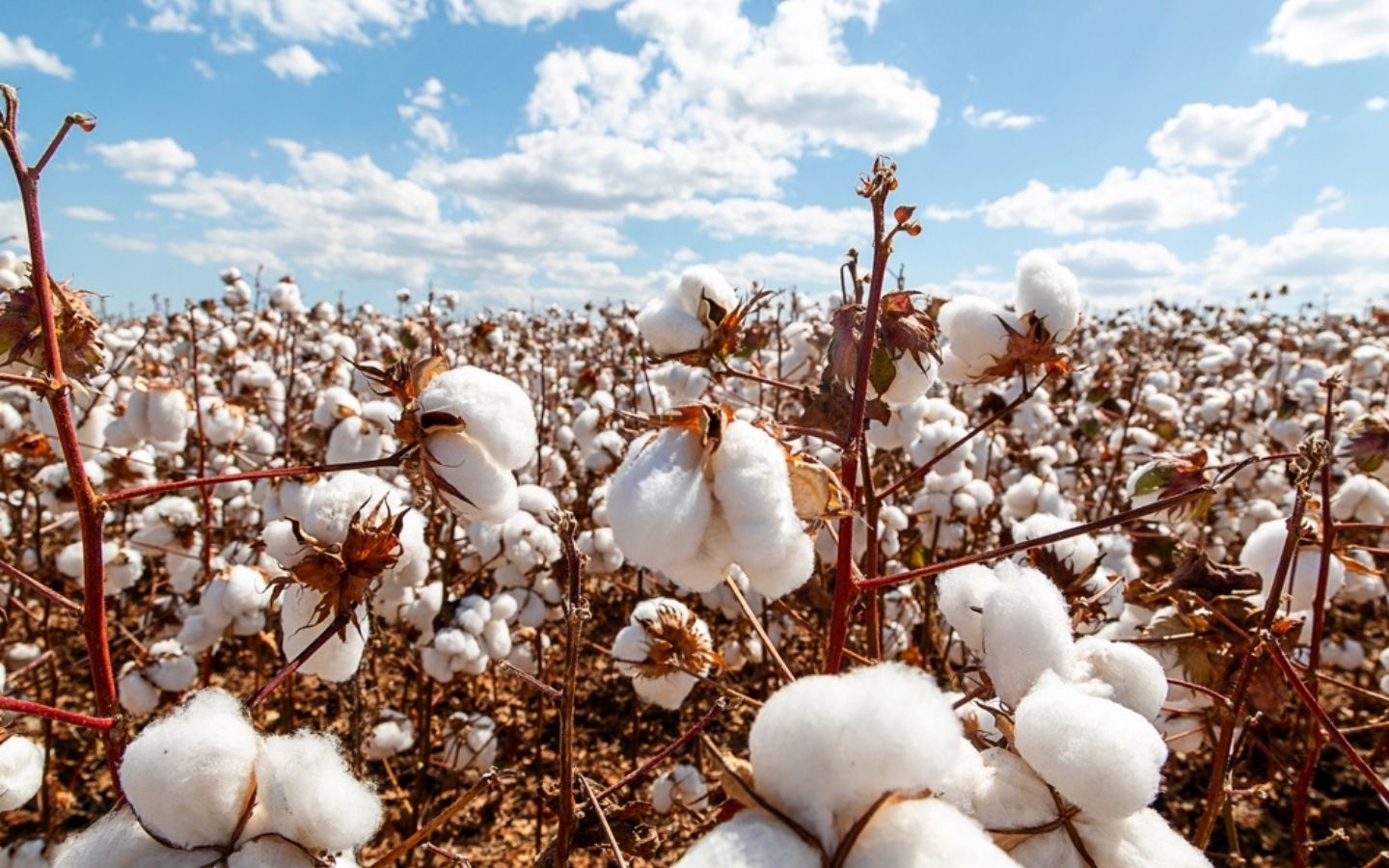
China cemented its position as the leading buyer of Brazilian cotton last season, absorbing nearly a quarter of total shipments.

Article by:
PUBLISHED:
China emerged as the largest buyer of Brazilian cotton in the 2025/26 season, purchasing 23 percent of the 3.374 million tonnes exported by the country, according to figures released by the Brazilian Cotton Exporters Association, known as Anea.
The data, presented at a meeting in Istanbul ahead of the ICA Trade Event 2026, highlights the expanding footprint of Brazilian cotton exports worldwide. Bangladesh followed as the second-largest destination, accounting for 17 percent of shipments, while Turkey took 13 percent. Pakistan and Vietnam each secured 12 percent, with remaining markets sharing the final 23 percent, according to an agribusiness media report.
Trade relations between Brazil and China in this sector date back at least to 2000, originating from small experimental shipments as South American producers sought to re-establish their presence globally. Two decades later, Brazil surpassed the United States in 2023/24 to become the world’s leading cotton exporter. Its share of global exports now stands at 34 percent, a dramatic rise from 7 percent less than a decade prior, the report said.
During the 2025/26 season, Brazil produced 4.144 million tonnes of cotton lint, marking a decrease of 2.5 percent compared to the previous year, figures from the Brazilian Cotton Growers Association, or Abrapa, show. The planted area contracted by 8 percent to approximately 2 million hectares. However, farming efficiency compensated for the reduction, as crop yields climbed 6 percent to reach a record 2,076 kilograms per hectare.
[See more: Chinese oil firms expand footprint in Brazil’s pre-salt sector]
Domestic production remains heavily concentrated in the states of Mato Grosso and Bahia, though cultivation also extends across Mato Grosso do Sul, Goiás, Minas Gerais, Maranhão and Piauí. Financial returns mirrored the volume milestones; export revenue for 2025/26 reached US$5.295 billion, representing a 72 percent increase over 2019/20 levels, while overall export volumes surged 73 percent across the same timeframe.
Logistical flow remained steady throughout the season. Monthly shipments averaged 279,000 tonnes, hitting a high of 452,000 tonnes in December. Volumes surpassed 150,000 tonnes in every single month from September through July, ensuring a reliable and continuous supply for the international textile industry.
Looking ahead to the 2026/27 cycle, Anea projects export volumes of approximately 3.4 million tonnes, slightly exceeding the previous season. Meanwhile, Abrapa anticipates total production ranging between 3.8 million and 4.4 million tonnes, supported by a projected planted area spanning 2 million to 2.2 million hectares.