The Macao International Documentary Film Festival (MOIDF) returns for its ninth edition. Curator Penny Lam discusses the themes and what to watch this year
‘Documentaries are closer to the truth than ever.’ Penny Lam on the 9th Macao International Documentary Film Festival
Article by:
PUBLISHED:
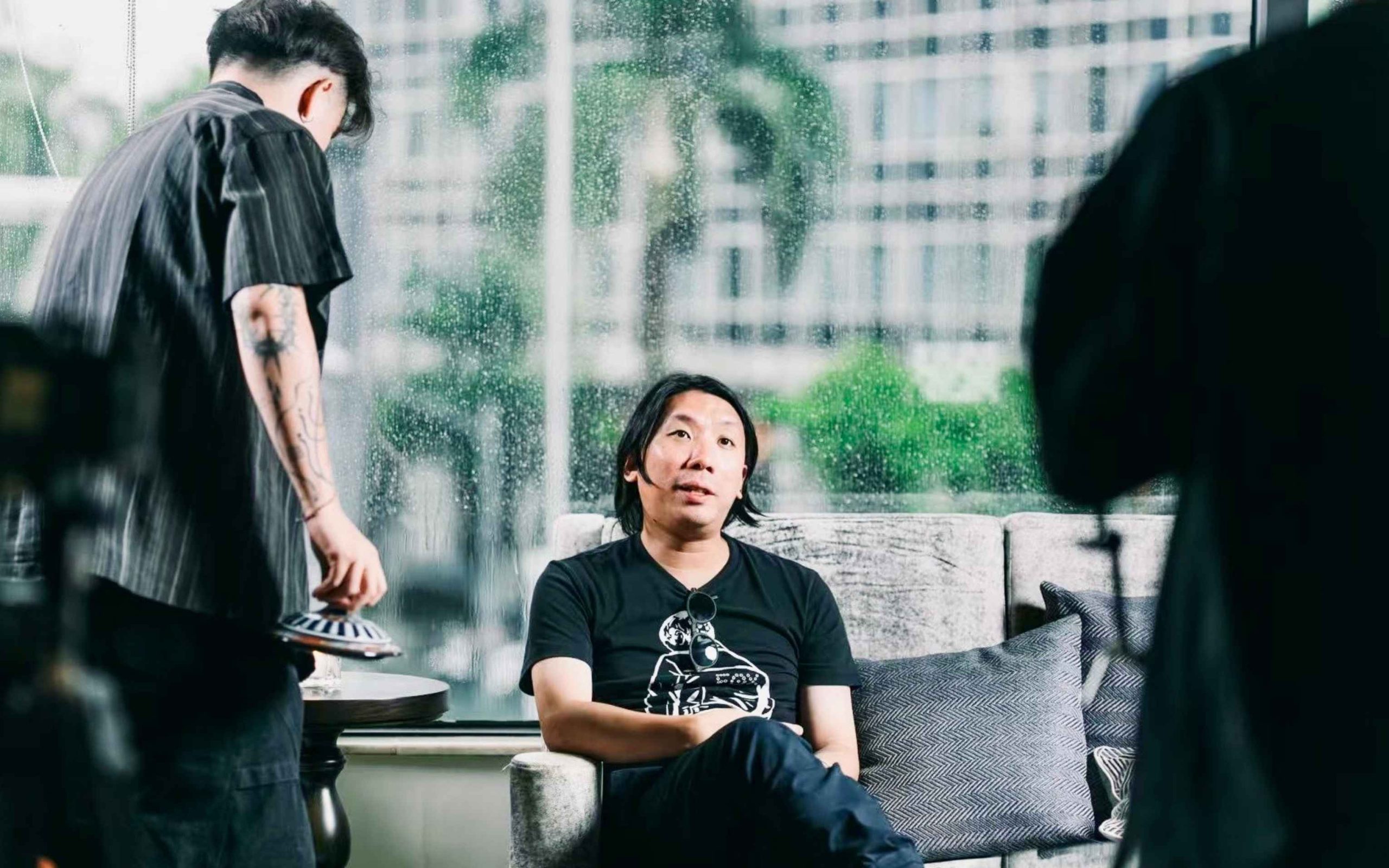
The 9th Macao International Documentary Film Festival (MOIDF) is now on, screening 22 films at the Bona International Cineplex until 8 November.
When the MOIDF last took place, curator Penny Lam spoke about “Illusion” in a world increasingly shaped by artificial intelligence. Now, following a one-year hiatus, the festival returns with 22 selected non-fiction films centered around a new theme: “Memory & Remembering.”
[See more: The 9th Macao International Documentary Film Festival explores memory and resilience]
As AI technologies continue to evolve at a breakneck speed, generating synthetic histories and hyper-realistic digital archives, Lam believes documentary cinema plays a crucial role in grounding us. The Bay caught up with the veteran curator to discuss the philosophy behind this year’s lineup, the quiet everyday realities of war, and why documentary film remains as vital as ever.
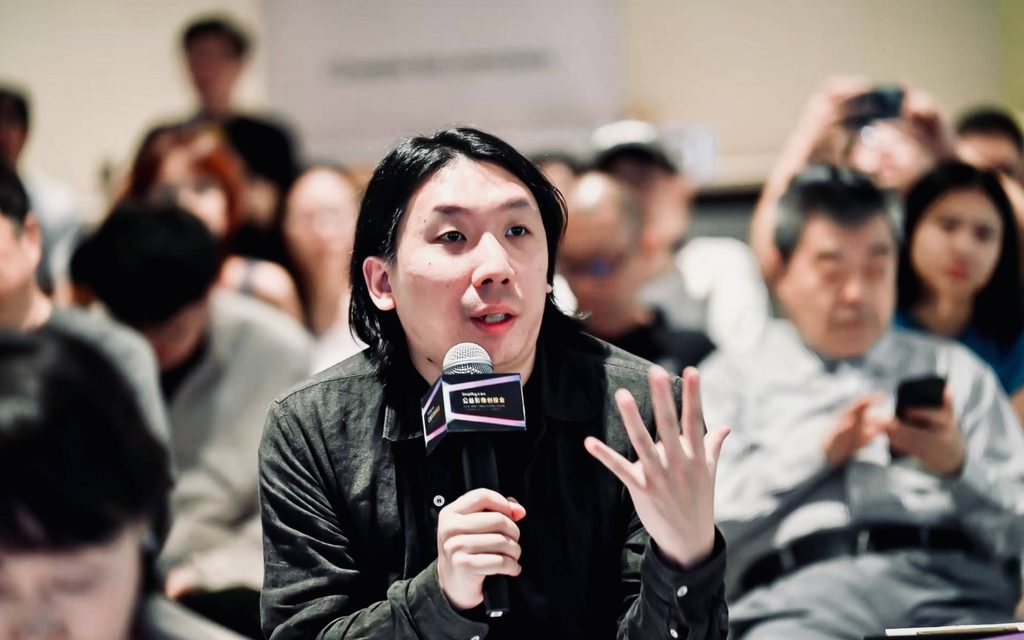
In our last interview, you reflected on “Illusion” in the age of AI. Returning after a one-year break with the theme “Memory & Remembering,” how has your view on the power of documentaries evolved?
I feel like the development of AI has pushed us into an era of time travel – even if we can only travel backward for now. Because old photos and archival videos often have blurry resolutions, and because there is a vast amount of historical text available as reference, AI can easily mimic and generate “old” images.
Right now, AI is mostly doing moderate, standard imitation. It is nowhere near creating a distinct, sharp, or radical way of reinterpreting history. In this environment, documentaries – which carry a strong, subjective human perspective recorded in the past – are actually closer to the truth than ever before. Every documentary represents a deep personal attitude toward a specific past.
Memory is a shaped version of history, and documentary filmmakers are the architects of that memory. Watching documentaries helps us understand how to take part in this journey through time as AI continues to develop.
Macao is a city with deep historical roots that is also changing very quickly. How do you see the 22 selected films connecting with local viewers?
Macao is a city that changes so fast. I don’t think any other place I’ve visited transforms this much over short periods of time – and Macao keeps growing, too.
Although none of the films in this year’s festival were shot in a modern, fast-changing city quite like Macao, I believe they will remind local audiences of someone in their own lives. It might be the migrant workers sitting under a tree drinking beer and chatting all night in Park, or a family member endlessly waiting in line in Hospital, or even oneself talking to imaginary cartoon characters during moments of deep despair, as seen in A Fox Under a Pink Moon.
A specific person in your mind is always the most romantic starting point of any memory. Why that particular person? It usually reflects the parts of your own character that resonate the most.
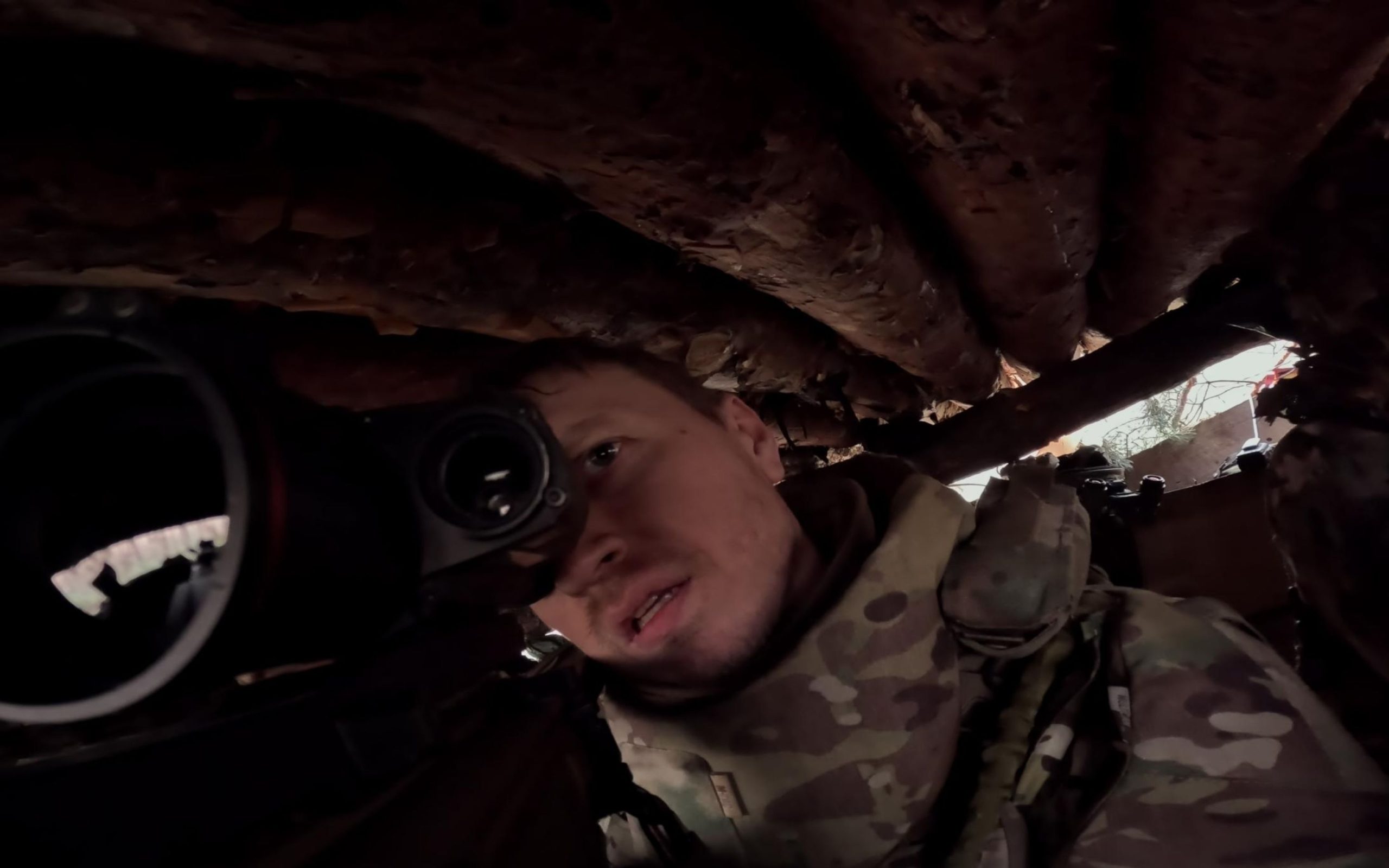
The opening film, A Simple Soldier, follows the director’s struggle balancing his roles as a soldier and a photographer. What made this film a must-have for the festival?
War imagery and films appear everywhere in daily life, mostly because of shock value. They stimulate your nerves, make you appreciate peace, or simply boost viewership ratings. It’s almost always about sensationalism.
When watching A Simple Soldier, that initial shock slowly turns into something else. I have never seen a film capture the daily reality of war in such a sharp and cruel way. Even though we are in Macao, far away from the frontlines of the Russia-Ukraine war, A Simple Soldier brings us very close to the reality of conflict.
If you want to feel the raw power of non-fiction images, the storytelling and visuals in A Simple Soldier show exactly why documentaries remain at the heart of cinema today.
The Classic Section this year honors two late masters, Frederick Wiseman and Patricio Guzmán. How have their works influenced your own approach as a curator?
Wiseman taught me to trust reality and respect it. Reality is far more complex and endless than anything I could imagine, and authentic images can directly connect human hearts.
Guzmán taught me to think deeply about the angle from which I view the world and my fellow countrymen. He spent his entire career focusing on a single subject: Chile. Yet, he analyzed, reflected on, and imagined what makes his homeland what it is from so many different perspectives. He looked at what his people hoped for and what disappointed them.
They are like the earth and the sky: Wiseman stays on the ground, staying infinitely close to everyday people; Guzmán floats in the air, carefully observing and pondering humanity below. This is the first time Macao is showing their works in a cinema, and it is easily one of the most important moments for MOIDF since its founding.
If you had to recommend a “mystery box” double feature for a local reader who has never attended MOIDF before, which two films would you choose?
First, Birds of War. It is actually a romance film – not every documentary is only about suffering!
Although it follows a war photographer and a journalist surrounded by conflict, love sometimes overcomes everything. That is perhaps the most precious message of the film. Birds of War gives you heartwarming moments where love begins to blossom, bringing a smile to your face.
Second, Redlight to Limelight. Readers interested in documentaries usually believe in the power of cinema. That might sound like a cliché, but the people in this film are living proof. “India plus red light district” might sound like an exotic or stereotyped topic, but curiosity is a good place to start. This film will take you right into the real India.