Financial and technology leaders meeting in Hong Kong urged institutions to expand women's access to leadership roles as artificial intelligence reshapes the industry.
Women Chief Executives Summit: a call for change
Article by:
PUBLISHED:
Hong Kong’s financial institutions must give women greater access to decision-making as artificial intelligence reshapes business, speakers at the second Women Chief Executives Summit argued, linking inclusive leadership to the city’s long-term competitiveness.
More than 450 senior executives and leaders gathered at the Hopewell Hotel on 2 November for the event, organised by Women Chief Executives Hong Kong under the theme “Female Voices of Impact and Innovation”. Held during Hong Kong’s Financial Megaweek, the summit brought together financial services, technology and public-sector leaders, alongside students and emerging talent.
[See more: Why 180 people auditioned for 13 places. Inside TEDxTinHau Women’s tenth year]
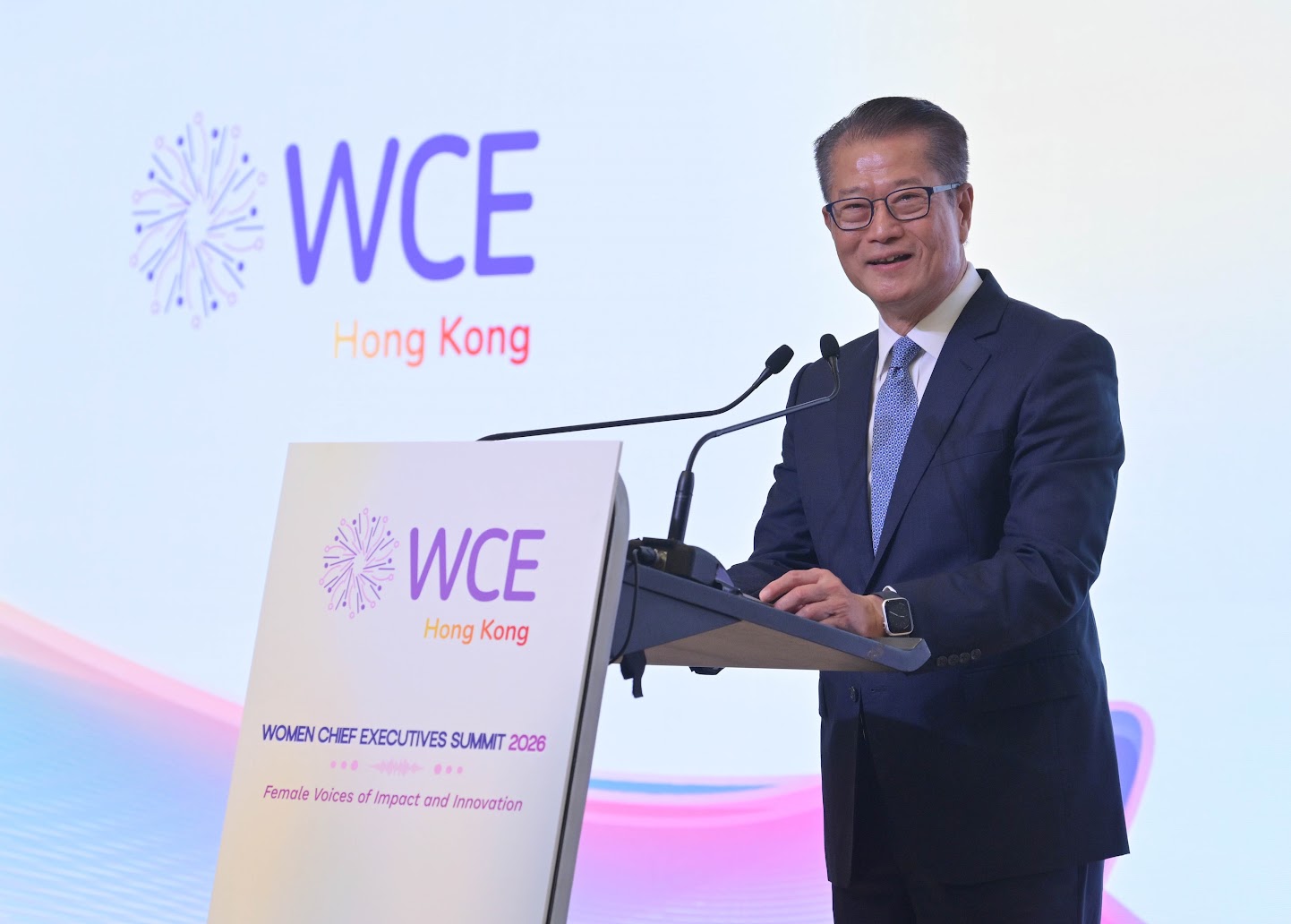
Financial Secretary Paul Chan said women needed to participate fully in the technological transformation of finance, arguing that broader perspectives helped institutions challenge assumptions and prepare for change.
His keynote connected access to leadership with responsible technology use and long-term investment decisions, rather than treating diversity as a separate organisational concern. A similar emphasis ran through discussions about how businesses identify talent, allocate responsibility and prepare their workforces for disruption.
Women Chief Executives Summit: focus on AI
Alisa Wood, a private-equity partner at KKR, argued that recruiting women was insufficient without retaining and promoting them into positions with genuine profit-and-loss responsibility. J.P. Morgan’s co-head of global banking, Filippo Gori, said diversity of human perspective became more important as AI standardised routine tasks.
Meanwhile, Schroders group chief executive Richard Oldfield outlined practical responsibilities for male allies, including putting capable women in senior client-facing roles and challenging recruitment shortlists. Robeco chief executive Karin van Baardwijk urged firms to assess leadership potential beyond conventional finance career histories, giving greater weight to problem-solving, adaptability and resilience.
AI discussions also focused on how institutions could change without losing employees’ confidence or weakening accountability. HSBC’s group chief people and governance officer, Aileen Taylor, stressed learning agility, AI fluency and human judgement, while describing uncertainty about technology as a challenge in itself.
[See more: Taking up space: how sport is expanding what women can become, in Hong Kong and beyond]
Prudential’s group chief technology and operations officer, Anette Bronder, argued that AI needed to be embedded across businesses, rather than added superficially to outdated systems. Oldfield described an AI agent supporting a private-equity investment committee through research and participation in meetings, while leaving decisions to people.
Beyond established institutions, HashKey RWA chief executive Anna Liu discussed moving from legal and compliance work into business leadership, highlighting opportunities for women to shape less hierarchical digital-asset companies. A separate discussion with Amundi chief executive Valérie Baudson and Capital Group vice-chair Jody Jonsson examined intergenerational wealth transfer and changing expectations of financial advice.
Looking to the future
The programme closed with leaders from the Hong Kong Trade Development Council, Hospital Authority and MTR discussing technology, resource allocation and public trust.
[See more: Why Fiona Nott, CEO of The Women’s Foundation in Hong Kong, is playing the long game]
Organisers also emphasised access for younger participants: Standard Chartered executive Mary Huen said the summit and continuing talent initiatives aimed to help emerging leaders develop professional networks, confidence and exposure to different careers. UBS executive Amy Lo similarly framed the event around opening leadership opportunities and strengthening support for the next generation.