Zhuhai is packed with a host of free-to-visit attractions, including Lovers' Road, Beishan Village, Qi'ao Island and Tangjiawan Ancient Town
Free things to do in Zhuhai: 8 spots that cost nothing
Article by:
PUBLISHED:
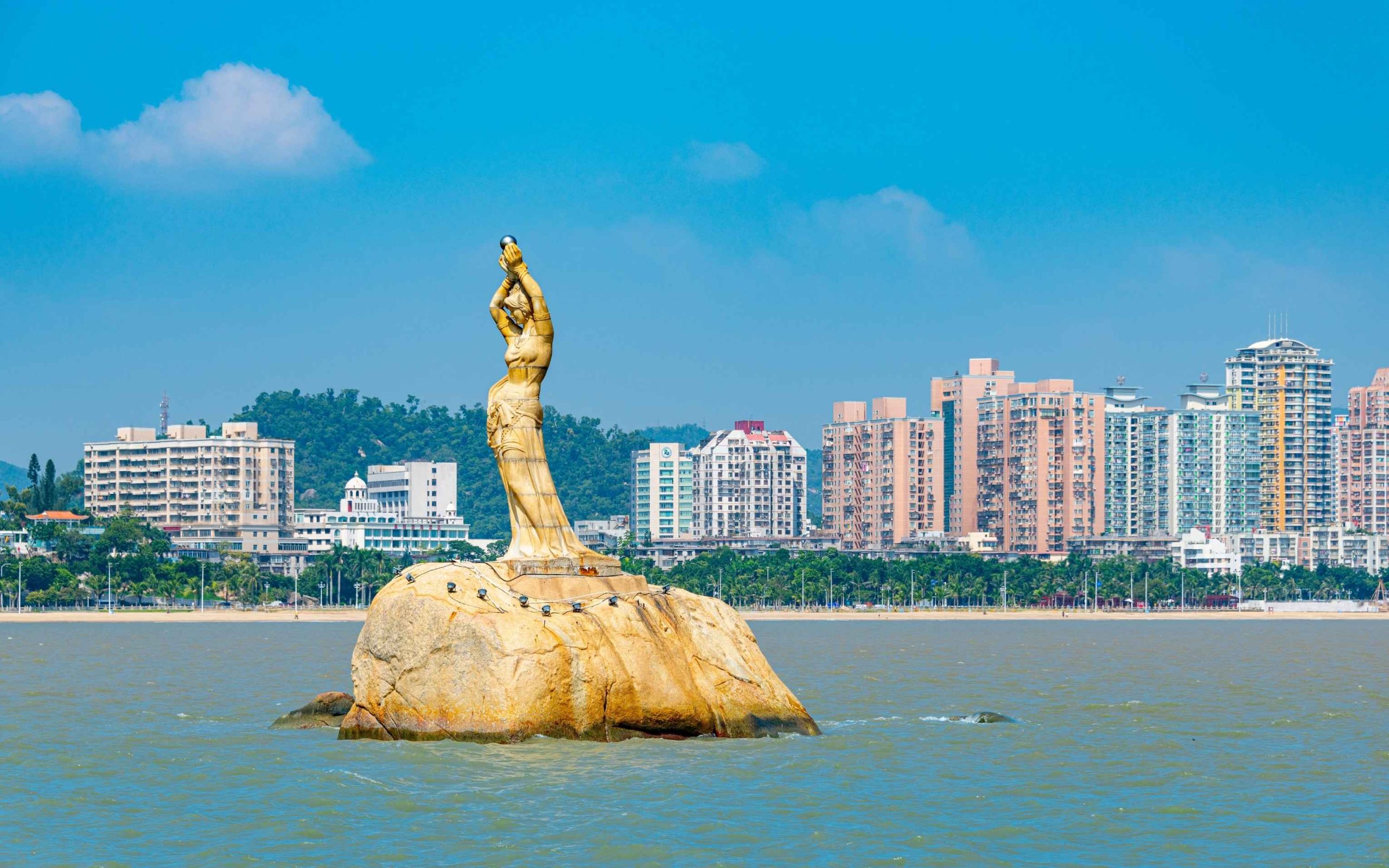
Zhuhai is arguably one of the best kept secrets in China’s Greater Bay Area (GBA). It may not attract the same level of attention as higher profile neighbours such as Guangzhou, Shenzhen, Hong Kong and Macao, but Zhuhai – the City of Romance, as it is also known on the mainland – certainly holds its own, offering visitors a relaxed coastal vibe that other GBA cities struggle to match. The best part is it doesn’t cost a penny to visit many of Zhuhai’s most iconic attractions.
The city’s offerings are diverse, ranging from subtropical coastlines, seaside promenades, lush beaches, hiking trails and historic villages. For those travelling from other parts of the GBA, accessing these freebies is as simple as walking over the border from Macao, crossing the Hong Kong-Zhuhai-Macao Bridge from Hong Kong or taking a high-speed rail from neighbouring cities.
Whether you’re a day-tripper, an SAR visitor looking for a weekend getaway or a budget-conscious traveller, Zhuhai is the place to be. Keep reading to find out about eight of the best free experiences in the City of Romance.
Shaolin Soccer shooting locations (少林足球取景地)

If you’ve ever dreamt of stepping into the scene of an iconic film, Zhuhai is the place to achieve that, as parts of the classic Hong Kong sports comedy Shaolin Soccer (2001) were shot in the city in 1999.
Directed by legendary comedy filmmaker Stephen Chow, Shaolin Soccer tells the story of former Shaolin monk Sing (Chow) who leads a ragtag team of misfits in a football tournament where they find redemption.
Some of the movie’s most memorable filming locations can be found directly across from Zhuhai’s Xiangshan Park. In fact, the free-to-visit site has become so popular that a replica of Sweetie’s Steamy Buns – the restaurant where Sing’s love interest works – has been built in the original shooting location. The best part is the establishment is fully functional, selling sweet buns similar to the ones from the movie for just 2 yuan.
[See more: Which Greater Bay Area city should you visit?]
Within the restaurant, you’ll also find stills from Shaolin Soccer, including the iconic dance sequence shot in front of the establishment.

Outside of Sweetie’s Steamy Buns, visitors will find an adjacent wall with a giant decorative football lodged inside, which commemorates the movie’s filming in the area. Right next to that wall is a store featured in Shaolin Soccer called “Chunfang Hair Salon.” The store looks much the same as it did when the film was first released, although you’ll find photos of the proprietor with Chow and other actors decorating the walls.
Opening hours: 24 hours for public area, Sweetie’s Steamy Buns (Monday to Sunday, 8 am to 8 pm), Chunfang Hair Salon (11 am to 10 pm)
Zhuhai Museum (珠海博物館)
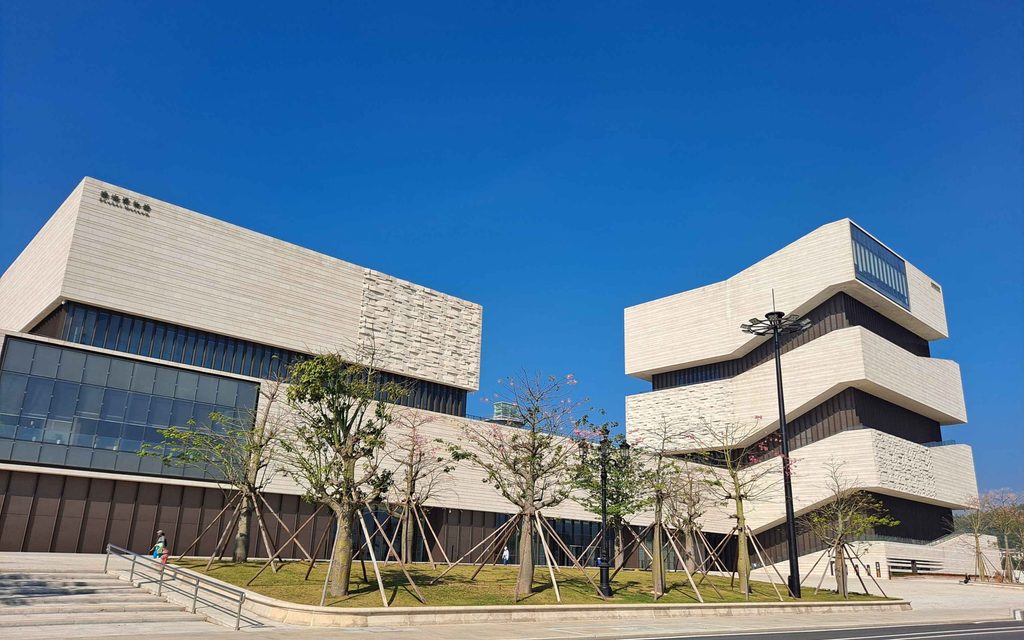
Established in 1988, the Zhuhai Museum was originally situated in Zhuhai’s Jiuzhou City before relocating to its current location near Yeli Island and the Zhuhai Grand Theater in 2020.
The new venue, which is free to enter, can only be described as enormous, with a building area of roughly 33,000 square metres and an exhibition floor space of around 6,000 square metres.
By design, the Zhuhai Museum is made up of two parts – a horizontal wing to the south and a vertical section to the north. Upon entering the main foyer, you can access them by turning left or right respectively.
The horizontal wing is arguably the more engrossing section of the two, with its three permanent exhibition floors focused on Zhuhai’s development, as well as the history and culture of Guangdong. Admittedly, the first-floor exhibition on Zhuhai’s urban development is not very English-friendly, as only certain parts such as the foreword and photo titles have been translated into English.
[See more: Most useful GBA bookmarks, phone numbers and apps]
The saving grace is the second and third floors, which feature extensive exhibitions on traditional culture and folk customs, as well as Zhuhai history, providing guests with comprehensive and accurate English translations that are complemented by a variety of cultural items and models. Here you’ll find everything from the history of the Tanka “boat people” to the details on pirates that ravaged Guangdong.

As for the vertical section, give it a visit only if you’re interested in Zhuhai’s urban planning and have Chinese language skills, as all the exhibition areas are entirely in Chinese. Otherwise, take a walk to the nearby Yeli Island to enjoy some natural scenery.
Location: No. 88 Haihong Road, Xiangzhou District, Zhuhai, Guangdong Province, China
Opening hours: Tuesday to Sunday (9 am to 5 pm)
Yeli Island (野狸島)
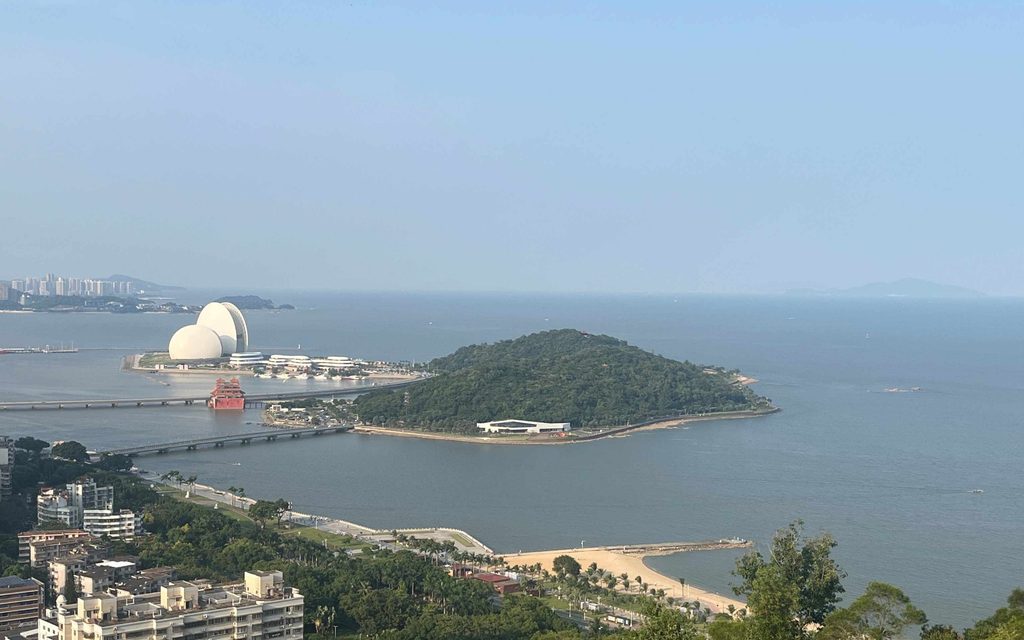
With around 146 islands to its name, Zhuhai has unsurprisingly earned the moniker of the City of a Hundred Islands. Many of these islands, including Dong’ao Island, Wailingding and Guishan Island, can only be accessed via a paid ferry. Thankfully, there is a free option – Yeli Island, a tiny 0.42 square kilometre tropical oasis connected to mainland Zhuhai via the approximately 281 metre Haiyan Bridge.
Situated on the eastern coast of Zhuhai’s Xiangzhou District, Yeli Island is perfect for visitors looking for a relaxing stroll or hike. A loop around the island covers roughly 3.5 kilometres, taking around 40 to 50 minutes to complete on foot. It is also possible to hike up the island’s mountains, as there are four mountain entrances scattered across the territory, giving climbers access to various pavilions and the mountain peak.
The island is also connected to the Zhuhai Grand Theater, whose unique clamshell design is perfect for photo-taking. For those with some cash to spare, there’s an underground Huafa Newland shopping mall adjacent to the theatre, with plenty of dining options to choose from, including hot pot and Cantonese-style offerings.
Location: Central Lovers’ Road, Xiangzhou District, Zhuhai, Guangdong Province, China
Opening hours: 24 hours
Lovers’ Road (情侶路)
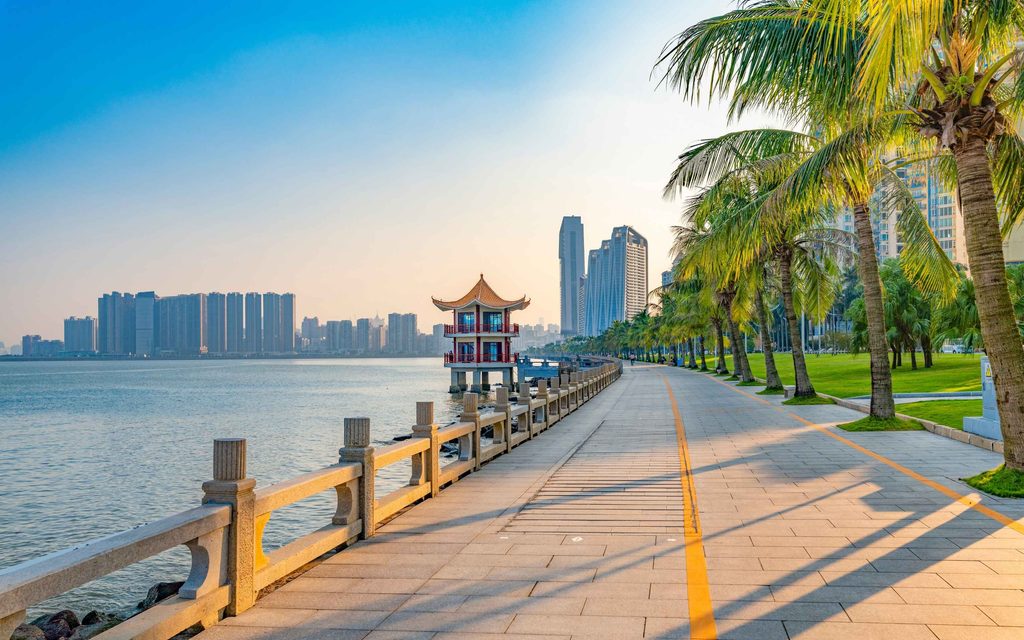
Stretching approximately 28 kilometres long, Lovers’ Road is one of, if not the most famous attractions in Zhuhai. The seaside road gives visitors a sweeping view of Zhuhai’s stunning coastline, the Macao peninsula, nearby islands and is linked to some of the city’s other key attractions via its southern, central and northern sections.
Lovers’ Road South starts from around the Gongbei Port area and ends near the Jiuzhou Port. Meanwhile, Lovers’ Road Central stretches between Jiuzhou Port and the area around the Xiangzhou Ferry Terminal, and is arguably the most popular section, as it is connected to a variety of attractions such as the city’s iconic 8.7 metre Zhuhai Fisher Girl Statue, Zhuhai Lighthouse, Xianglu Bay Beach, Yeli Island, Zhuhai Grand Theater and Zhuhai Haibin Park.
The final stretch of the road is the northern portion, which approximately covers the area stretching from the Xiangzhou Ferry Terminal and the area around Tangjia Bay.
Considering its long length, walking the entire stretch of Lovers’ Road is not advisable. Instead, consider spending a few yuan renting a ride sharing bicycle or electric sightseeing vehicle.
Location: Lovers’ Road, Xiangzhou District, Zhuhai, Guangdong Province, China
Opening hours: 24 hours
Beishan Village (北山村)
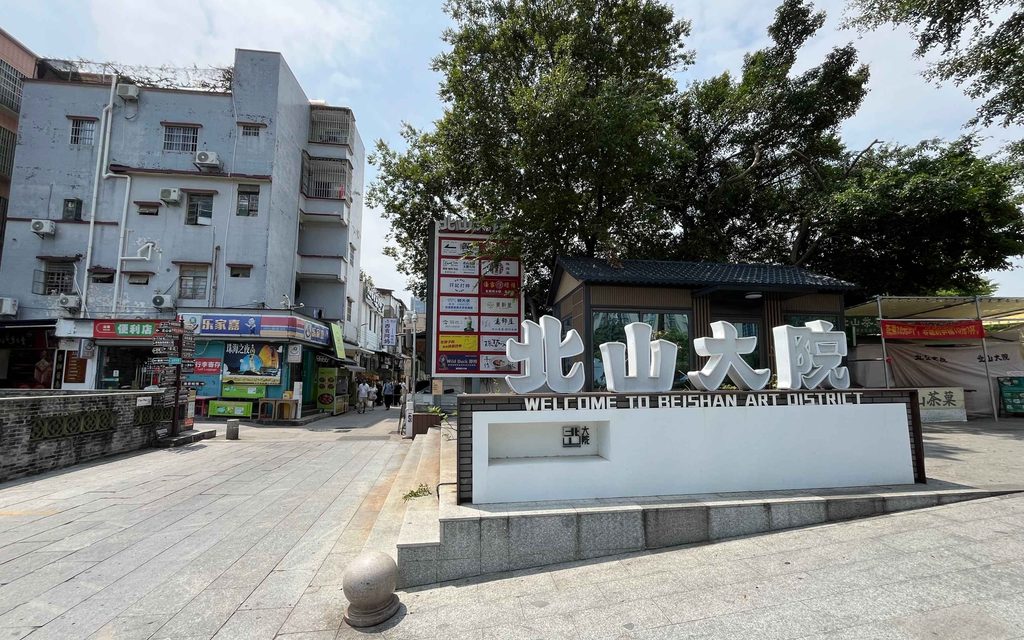
Originally a roughly 800-year old historical Lingnan village, Beishan underwent revitalisation from 2007, developing into one of Zhuhai’s most distinctive cultural and creative arts districts. Here you’ll find a multitude of historic buildings repurposed to house contemporary establishments such as trendy cafes, restaurants, galleries and hotels.
These shops blend seamlessly with their surroundings, which include residential areas, narrow alleys and walls decorated with vibrant murals. Among some of the historic attractions is the Yang Clan Ancestral Hall – one of the largest and most complete ancestral halls in Zhuhai, with a site area of around 8,838 square metres. Similarly, there is Baoxia Yang Clan Ancestral Hall, a temple built in 1859 that has now been turned into an exhibition area, as well as space showcasing the works of local artists.
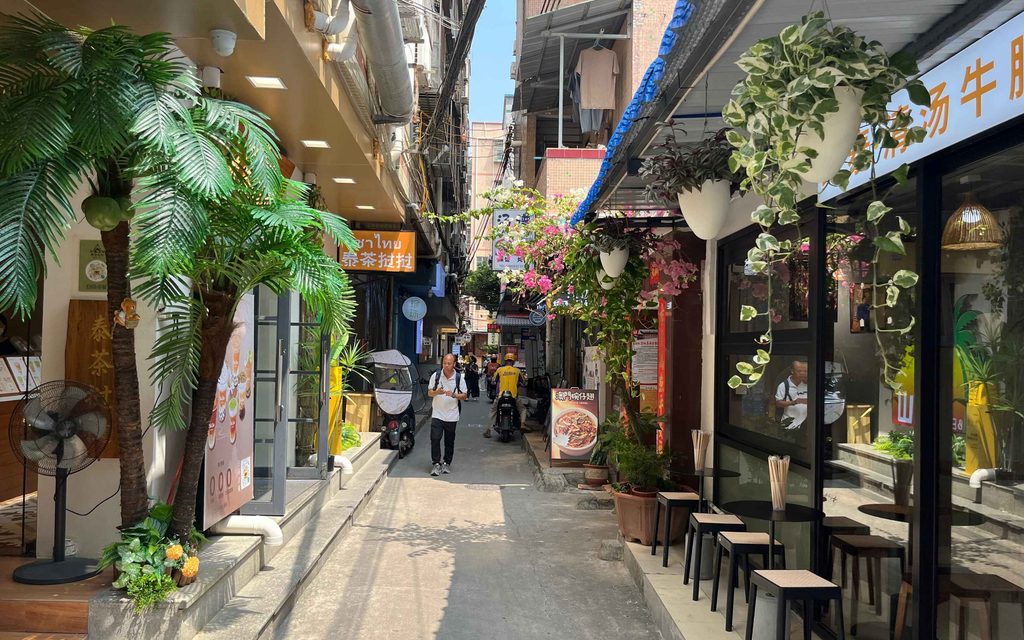
Entry into the village is free of charge, although you’ll need to dispense with some money if you’re looking to try out the various food and drink options, including Chan Kee Hainanese Chicken Rice, Taste of Thai Mama Noodle, Shan Workshop and Last Day. The same goes for travellers wishing to stay overnight in the village, with some accommodation options being Bei Shan Ju Art Hotel, Zen House Bei Shan and Beishanoi Homesay.
For more detail on Beishan Village, check out our comprehensive guide here. You can also find a map of the village and an introduction to some of the venue’s main offerings via this official Chinese language article.
Location: Beishan Village, Xiangzhou District, Zhuhai, Guangdong Province, China
Opening hours: 24 hours
Banzhangshan and Jingshan hiking trails (板樟山/景山道)
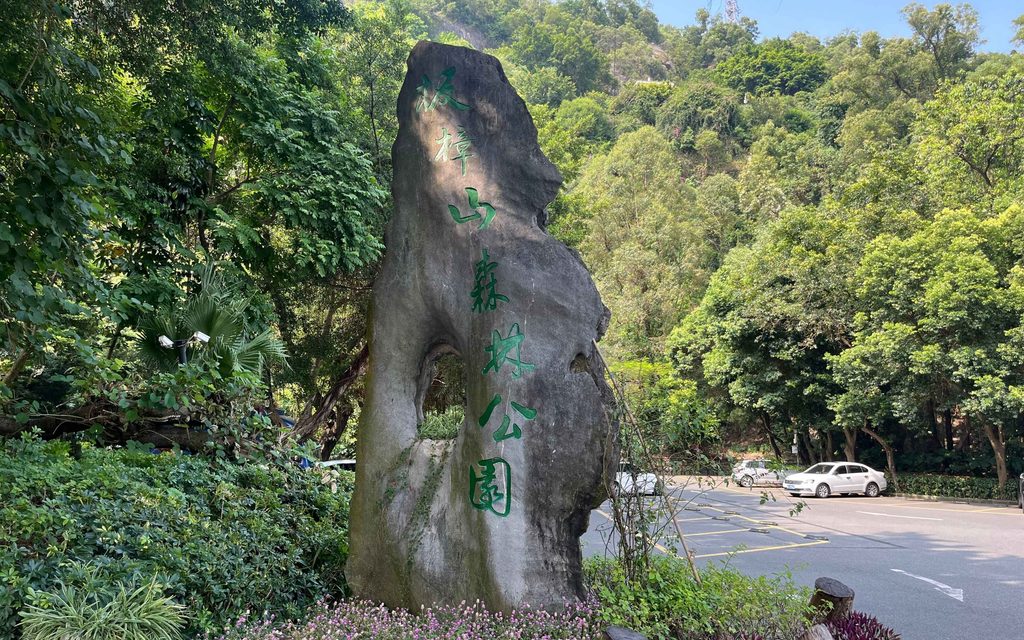
Banzhangshan Forest Park and Jingshan Park are separate free-to-visit parks in Zhuhai, which are connected to one another via the Jingshan Trail – an approximately 8.4 kilometre long elevated walkway and greenway that gives visitors a sweeping view of Zhuhai’s natural landscape.
For those with plenty of stamina who don’t mind a steep climb, Banzhangshan Forest Park is a good option. Even if you don’t make it all the way to the summit, you’ll still be treated to a stunning view of Yingbin Road and the Gongbei Port from the Return Pavilion – located roughly a quarter of the way along the hiking trail.
[See more: For the love of ink: Meet Zhuhai tattoo artists Beibei and Qiqi]
If you prefer a less rigorous walk, consider starting from Jingshan Park, as it features a cable car system that takes you to the viewing platform. One-way adult tickets are priced at 35 yuan, while a roundtrip one costs 70 yuan. Walking up the mountain is also possible, although it will require hiking up a set of stairs. Regardless of how you reach the top, you’ll be treated to a panoramic view of Zhuhai’s coastline and Lovers’ Road.
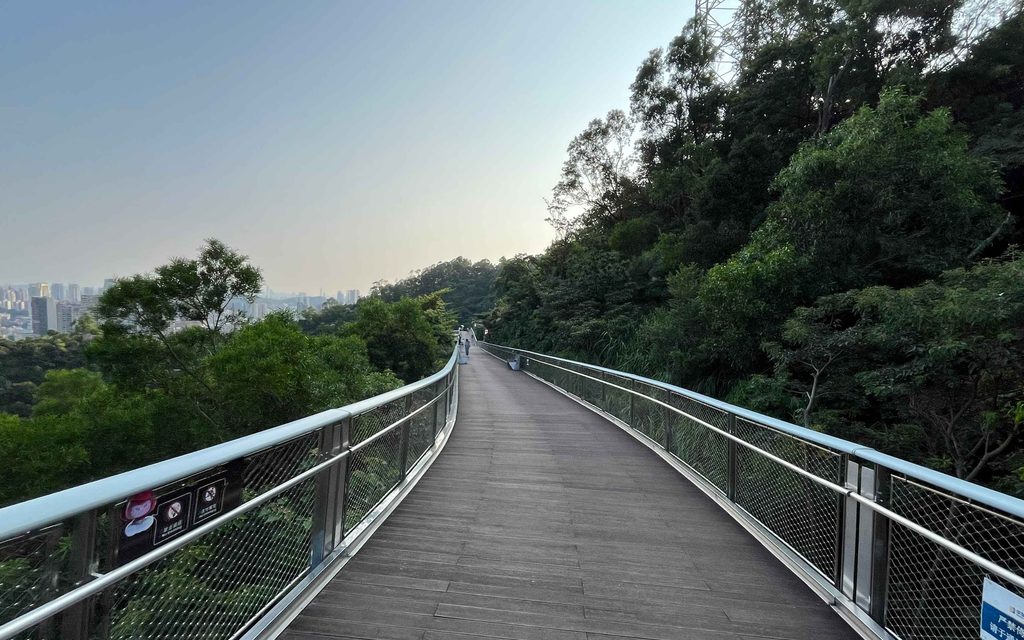
From the top of Jingshan Park, you can continue a leisurely walk along the Jingshan Trail, or descend the mountain via the stairs, cable cars or a 630 metre slide that costs 50 yuan for an adult ticket.
Location: Banzhangshan Park (No. 4, Lanpu Road, Xiangzhou District, Zhuhai, Guangdong Province, China), Jingshan Park (No. 1 Haibin North Road, Xiangzhou District, Zhuhai, Guangdong, China)
Opening hours: Banzhangshan Park and Jingshan Park (24 hours), Jingshan Park Cable Car (Monday: 9 am to 6:30 pm, Tuesday to Sunday: 9 am to 8 pm)
Tangjiawan Ancient Town (唐家灣古鎮)
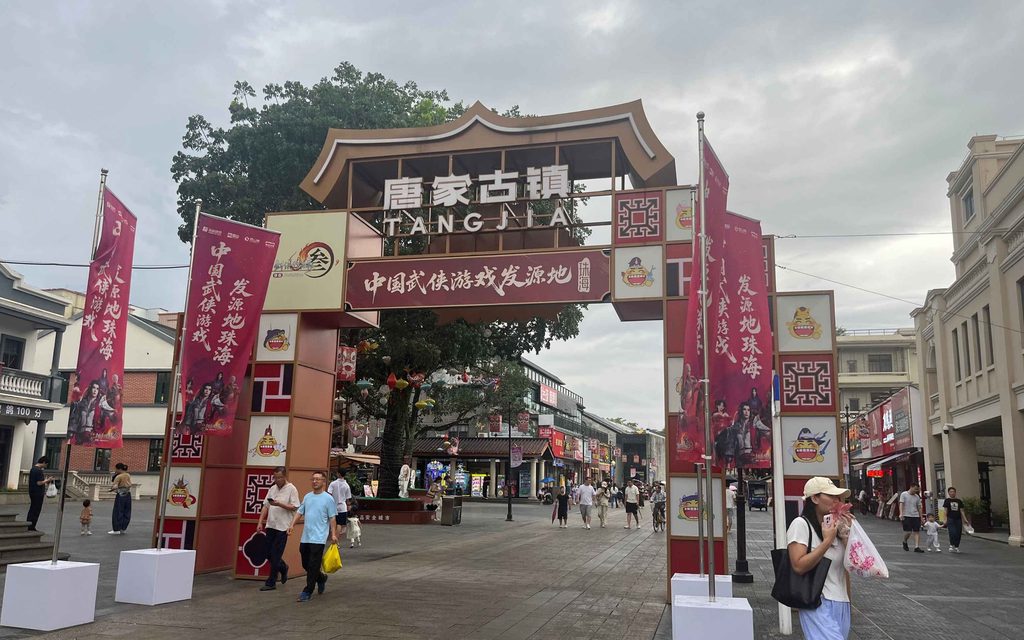
China is home to a multitude of ancient towns and cities – historic settlements that preserve the traditional look of its buildings and streets. Zhuhai’s version of this is Tangjiawan Ancient Town, a free-to-visit attraction whose history dates back more than 1,000 years ago to the late Tang Dynasty .
Unlike other ancient towns, Tangjiawan holds the distinction of being the first National Historical and Cultural Town in China to be recognised for its modern historical sites. Ambling through the town, you would be forgiven for thinking you were in a completely different era, as the buildings in Tangjiawan date back to the Qing Dynasty and the Republic of China periods.
[See more: How GBA cities fit together: Who does what?]
Aside from shops and restaurants, Tangjiawan also houses several historic exhibitions that are free to visit, including the Ruizhi Ancestral Hall, which was erected in 1904. Previously, the Lingnan-style structure served as a government office building in the 1930s, although it was later designated as a protected cultural site in 2011, with its exhibition areas now showcasing the culture, food and traditions of the local villagers and the history of the town’s prominent Tang clan.
Right next door to Ruizhi Ancestral Hall is another free exhibit area called Tangjiawan Nostalgia Hall, which features a variety of artefacts and displays highlighting the local culture, notable people, architecture and history.
Location: Tangjiawan Ancient Town, Tangjiawan Town, Xiangzhou District, Zhuhai, Guangdong Province, China
Opening hours: 24 hours
Qi’ao Island (淇澳島)
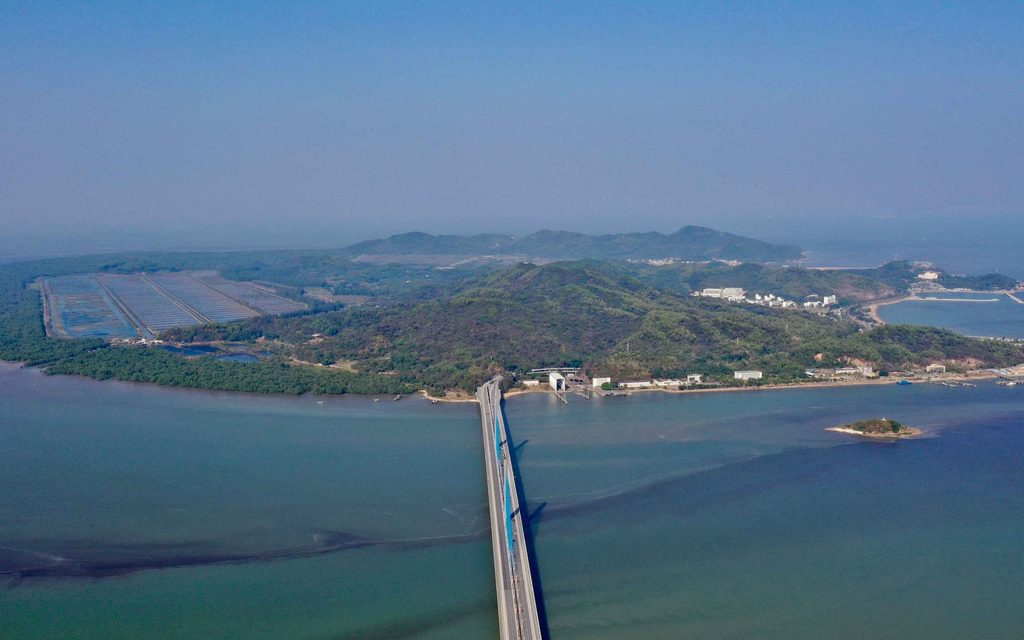
Qi’ao Island is an island off the coast of Zhuhai that is free to access via the 1.26 kilometre long Qi’ao Bridge. Located to the northeast of Xiangzhou district, the island is much larger than Yeli Island, covering an area of 23.8 square kilometres.
Unlike Yeli, which is exclusively reserved for recreational and entertainment purposes, Qi’ao is an inhabited island, with a population of over 2,000 residents. The island itself is a popular camping site, and it is not uncommon to find families camped along the island’s shores.
Major attractions on Qi’ao include Qi’ao Village, which houses the historic Baishi Street, an approximately 1 kilometre long street that was paved with granite that was purchased from compensation that Qi’ao villagers received from the British following a 1833 clash that took place prior to the Opium War.
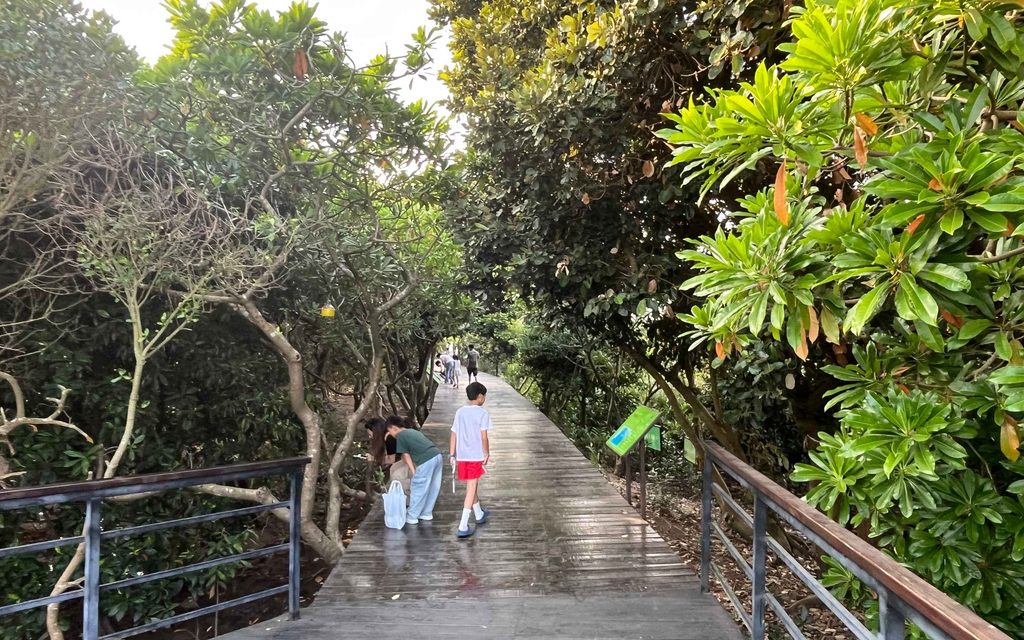
Another area on the island worth visiting is the Qi’ao Mangrove Reserve, a free-to-visit protected site that features roughly 5,103.77 hectares of wetland and approximately 500 hectares of mangrove forest. The area is home to around 30 mangroves species and 347 wildlife species and over 180 types of birds. Among the most common animals you will see are tiny fiddler crabs whose male members are easily identifiable by their one oversized claw.
Given Qi’ao’s relatively large size, walking around it for a prolonged period of time can be tiring. If you’re willing to spend a little, there are electric sightseeing vehicles available for rent.
Location: Qi’ao Island, Tangjiawan Town, Xiangzhou District, Zhuhai, Guangdong Province, China
Opening hours: Qi’ao Island (24 hours), Qi’ao Mangrove Reserve (9 am to 6 pm, entrance closes at 5 pm)