The Awá Indigenous group's recent approach for help underscores the growing threats to their territory in Brazil.

Article by:
PUBLISHED:
Around 20 members of an isolated Awá Indigenous group approached a government post in Brazil’s Amazon rainforest seeking food on November 16, raising concerns among Indigenous rights campaigners about growing pressure on their territory.
The encounter took place near the Guajajara village of Tawari, in the Arariboia Indigenous Territory in the northeastern state of Maranhão, according to Survival International and media reports.
The Awá Indigenous group asked for yams and returned to the forest after receiving food. Survival International said incursions by illegal loggers, hunters and cattle ranchers could help explain the unusual encounter, although the reason for their approach has not been established.
[See more: Brazil unveils global roadmap for phasing out fossil fuels ahead of COP31]
“This is a troubling indication of how the continued invasion of uncontacted peoples’ forests puts otherwise self-sufficient Indigenous people in real danger,” Caroline Pearce, the organisation’s director, told media.
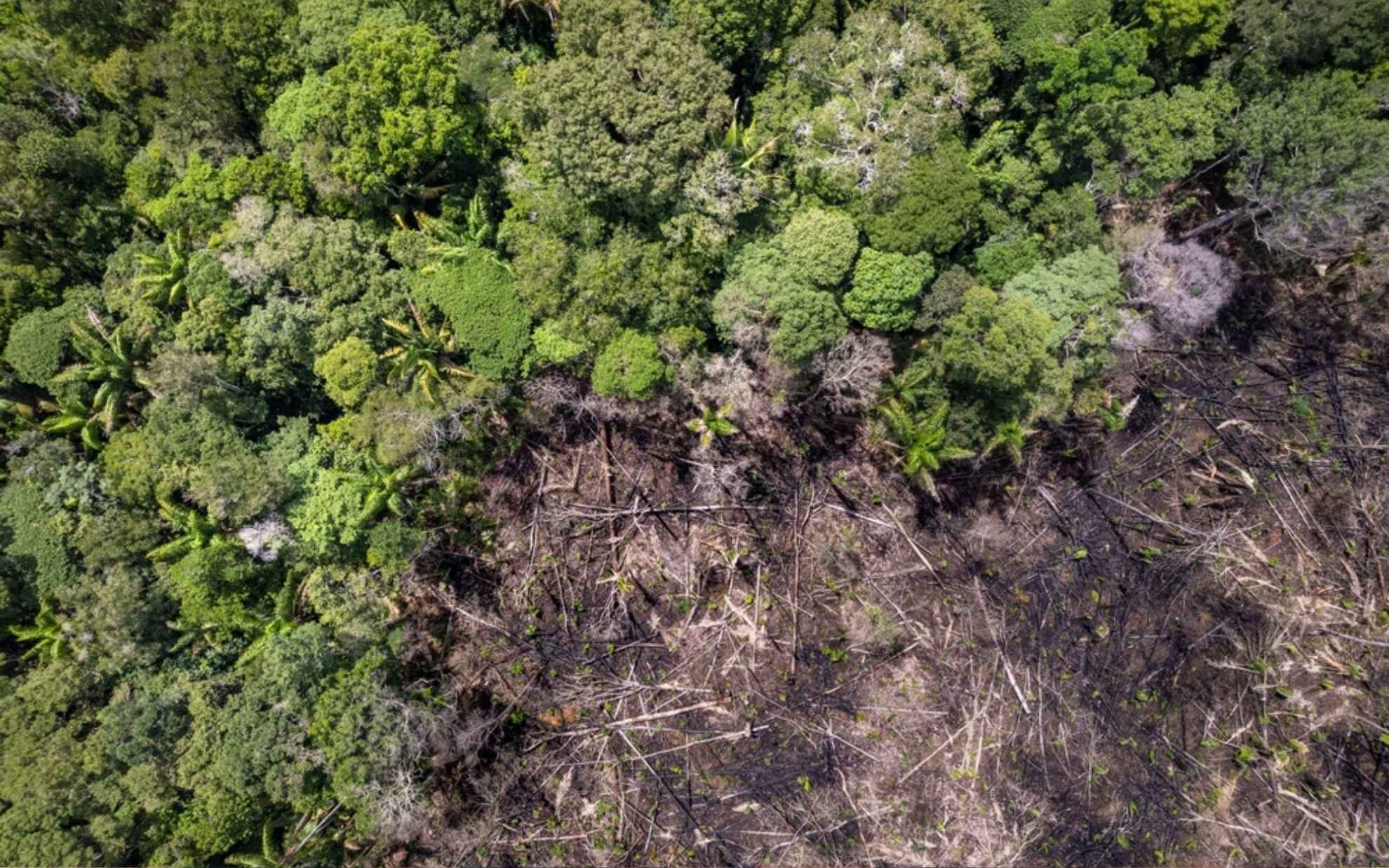
“The uncontacted Awá are under extreme pressure as intruders encroach from all sides of their territory, driving them into an ever- smaller island of the Amazon rainforest, surrounded by destruction.”
Sarah Shenker, head of Survival International’s Brazil team, described the encounter as “a crisis moment really and a wake-up call”, according to the Associated Press.
Some Awá communities maintain contact with wider society, while others, including groups living in Arariboia, remain in voluntary isolation. Their livelihoods depend on hunting and gathering, including wild honey and babassu nuts.
Guajajara Indigenous patrols known as the Forest Guardians have worked for years to protect the territory and its isolated Awá inhabitants from illegal incursions.
[See more: China drives demand as Brazilian cotton exports reach new heights]
“The situation in the forest is challenging: climate change, fires, deforestation and land encroachment are having a direct impact on their lands and the Awá way of life, which depends exclusively on hunting and gathering,” the Guajajara said in a statement.
Pearce called on the Brazilian government to provide the resources needed to protect Arariboia from illegal logging and ranching.