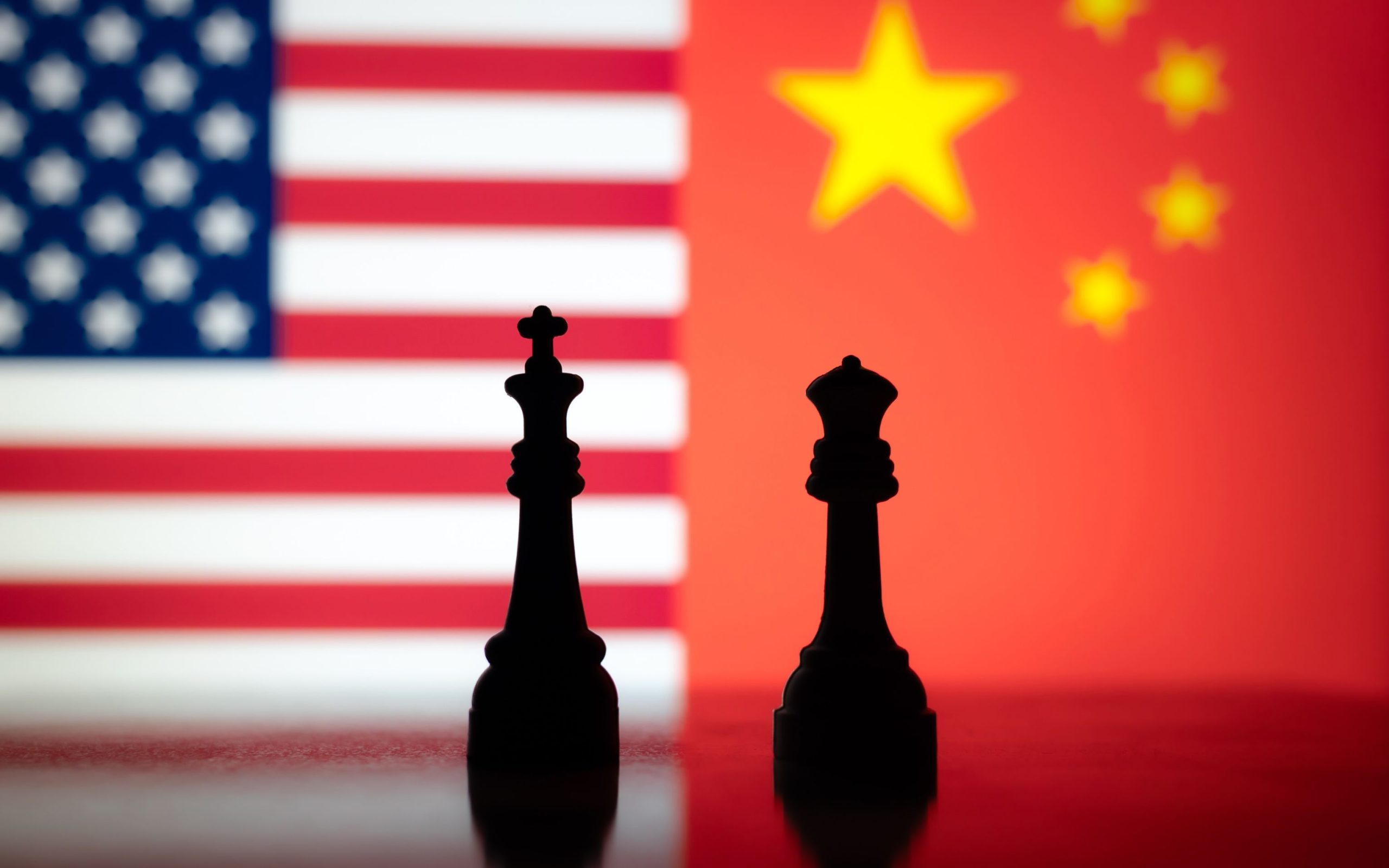
Beijing has strongly criticized Washington's latest trade moves, warning that proposed levies on 14 economies threaten global economic stability and supply chains.

Article by:
PUBLISHED:
China has stated that it firmly opposes proposed US Section 301 tariffs affecting imports across 14 economies, including China itself, while urging Washington to alter its course and address trade issues through consultation and dialogue.
Speaking during a news briefing in Beijing, Ministry of Commerce spokesperson He Yadong stated that Beijing would monitor developments closely and retain the right to enact necessary measures to protect its legitimate rights and interests.
[See more: US unveils new industrial capacity tariffs targeting global trading partners]
According to China Daily, the spokesperson characterised the ongoing US investigations as a classic example of unilateralism, arguing that they severely undermine the international economic framework and breach World Trade Organization regulations.
The Office of the United States Trade Representative published its investigation findings on 25 November, China Daily reports, focusing on alleged manufacturing overcapacity and introducing additional duties under the Trade Act of 1974. Observers have noted that US Section 301 tariffs risk deepening global economic friction.
He said that certain nations are advancing protectionism under the pretext of tackling overcapacity, thereby politicising standard market competition and converting industrial development matters into political instruments. He cautioned that these actions would leave underlying structural challenges unaddressed, destabilise international industrial and supply networks, interrupt industrial collaboration, and ultimately drive up worldwide inflation.
[See more: President Trump calls Shenzhen ’immaculate’ after APEC summit]
Furthermore, he emphasised that such measures would penalise enterprises and consumers alike, introducing long-term and systemic hazards to global economic expansion.
Previously, on July 28, the Ministry of Commerce published a comprehensive position paper regarding assertions of overcapacity, advocating for an objective evaluation of worldwide industrial capacity alongside enhanced international cooperation.
The ongoing debate surrounding US Section 301 tariffs highlights persistent challenges in international trade policy, China Daily says.