Historic sites nationwide turned purple to honour victims of the 1755 disaster and champion earthquake preparedness.

Article by:
PUBLISHED:
More than 40 locations across Portugal were illuminated in purple on 31 October and 1 November as part of the Recordar 1755 (“Remember 1755”) campaign, drawing attention to vital earthquake preparedness. The initiative seeks to preserve the memory of the Great Lisbon Earthquake, which claimed thousands of lives, while emphasising the ongoing need for national earthquake preparedness.
[See more: Portugal’s Buçaco National Forest earns global recognition as a therapeutic destination]
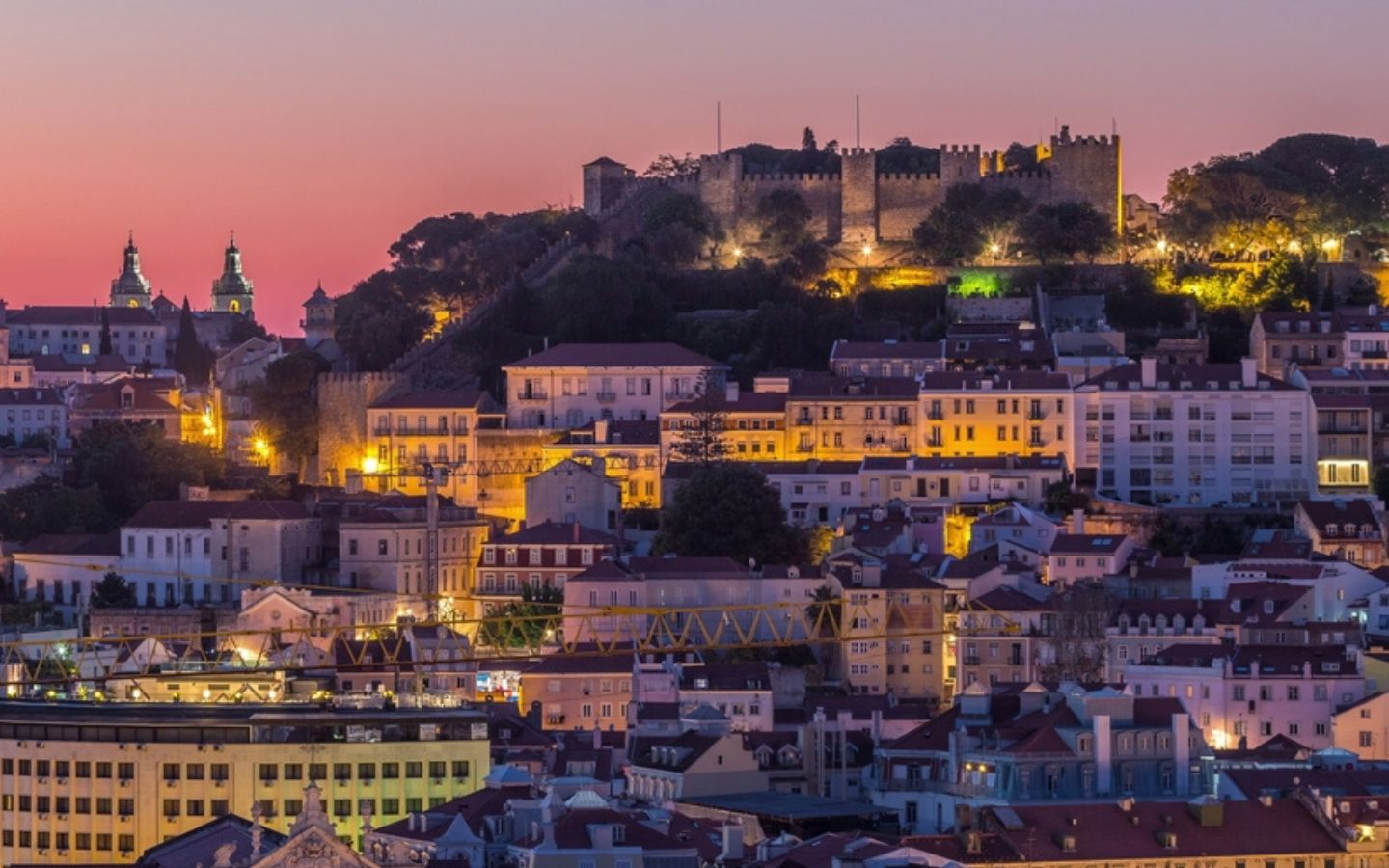
Participating venues included some of the country’s most recognisable historical, cultural, and religious landmarks, according to a local media report. Among them were Lisbon’s Praça do Comércio and São Jorge Castle, the Cristo Rei monument in Almada, Casa da Música in Porto, the Portas do Sol gardens in Santarém, and the Fortress of São João Baptista in Angra do Heroísmo, located in the Azores.
Ricardo Clemente, founder of the movement and the Quake museum, noted that seeing the movement reach so many regions demonstrates how communities can unite around a shared memory. Each illuminated monument served as a tribute to past victims and a collective commitment to enhancing earthquake preparedness across the country.
The Great Lisbon Earthquake struck on November 1, 1755, at approximately 9.40 am, devastating the capital and causing widespread destruction elsewhere in Portugal, particularly in the Algarve region. Tens of thousands of people lost their lives, many while attending church services for All Saints’ Day.
[See more: Portugal house prices surge as affordability concerns mount]
The tremor was followed by a powerful tsunami that swept into the Tagus estuary, flooding the Lisbon waterfront and reportedly reaching the area where the Rua Augusta Arch stands today. Destructive fires also erupted across the city, fuelled by overturned cooking fires and candles, including those left burning in churches for the religious holiday.
Although historical estimates of the death toll vary widely, the disaster remains one of the deadliest in the nation’s history, 271 years later. Through campaigns like Recordar 1755, communities continue to honour the victims while actively reinforcing earthquake preparedness for future generations.
UPDATED: 02 Nov 2026, 10:56 am