The centuries-old woodland has been certified by an international body for its ability to support medical recovery through nature-based therapy.

Article by:
PUBLISHED:
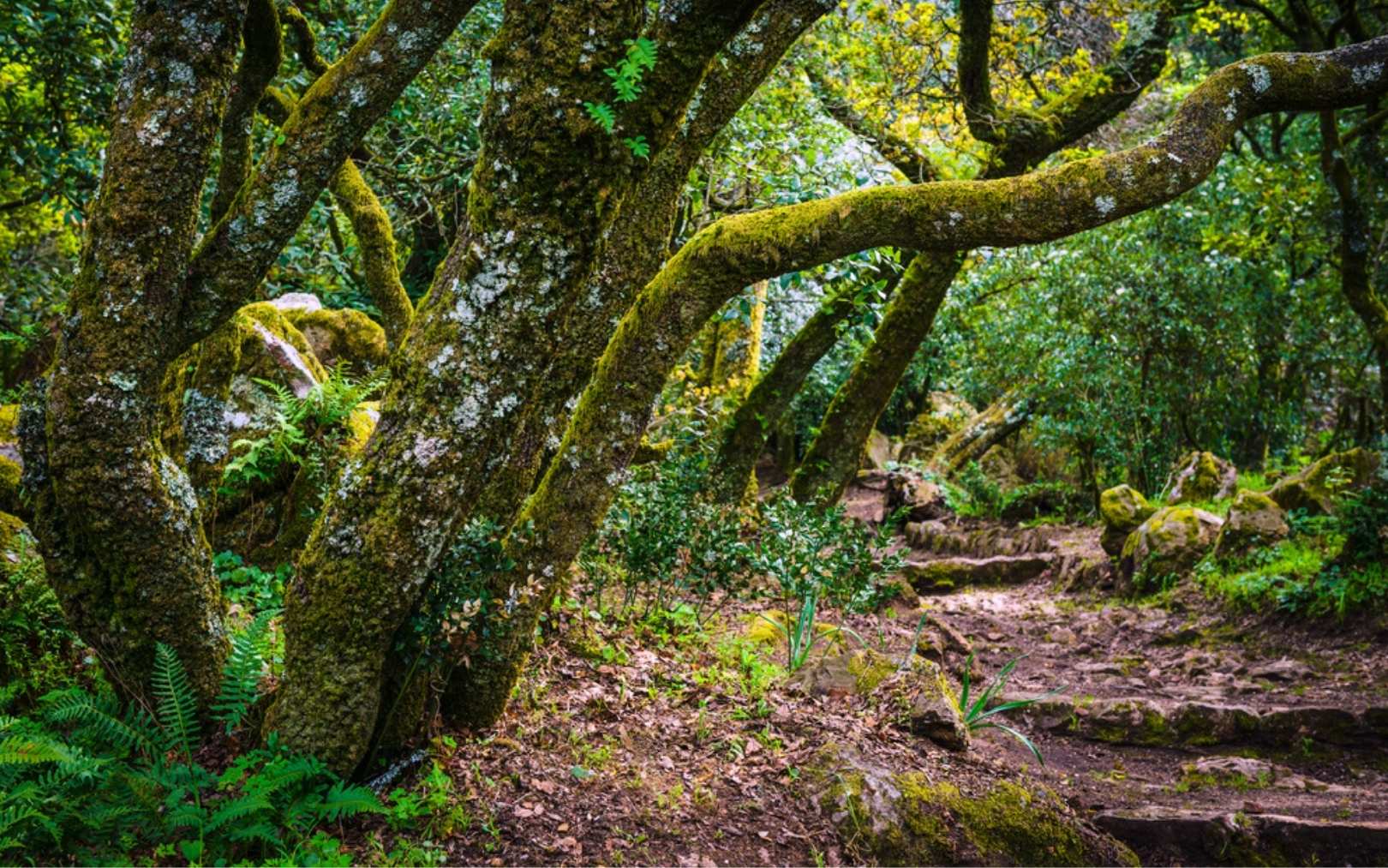
Buçaco National Forest in northern Portugal has been officially designated a “therapeutic forest,” marking it as only the fourth location in the world to receive such recognition. The 260-acre site, located approximately 80 minutes south of Porto, joins a select group of certified forests in Germany and Austria, Travel and Leisure reports.
The forest, which boasts more than 250 species of trees and shrubs, is considered one of Europe’s most significant dendrological collections. The history of Buçaco National Forest stretches back to 1628, when Catholic monks established the area as a place of prayer. Following a papal decree, the land was protected, allowing monks to cultivate exotic species, including the buçaco cedar, which was imported from Mexico.
[See more: Nobu to open second Portuguese luxury resort in the Algarve]
By the 19th century, the site of Buçaco National Forest had been expanded with lakes and gardens, and it now features the five-star Palace Hotel Bussaco, originally built as a hunting lodge by the Italian architect Luigi Manini for King Carlos I.
The certification, awarded by the Germany-based Healing Forest – International Certification Office, highlights the site’s suitability for addressing medical conditions ranging from respiratory and cardiovascular ailments to orthopaedic, psychosomatic, and neurological issues.
To achieve this designation, Buçaco National Forest underwent a rigorous inspection process evaluating factors such as noise levels, shelter from wind, trail accessibility, and the provision of professional forest therapy services, Travel and Leisure says.
The certification remains valid until 2031, when the site will face a further assessment. This recognition aligns with growing evidence regarding the health benefits of nature; a 2019 study involving 19,000 participants indicated that spending a minimum of 120 minutes in nature each week contributes significantly to overall wellbeing.