Launched in 2024, the network supports the preservation of places associated with enslavement and the slave trade.

Article by:
PUBLISHED:
Three Brazilian sites linked to enslavement, the slave trade and resistance to slavery have joined a UNESCO network dedicated to preserving historical memory and promoting education.
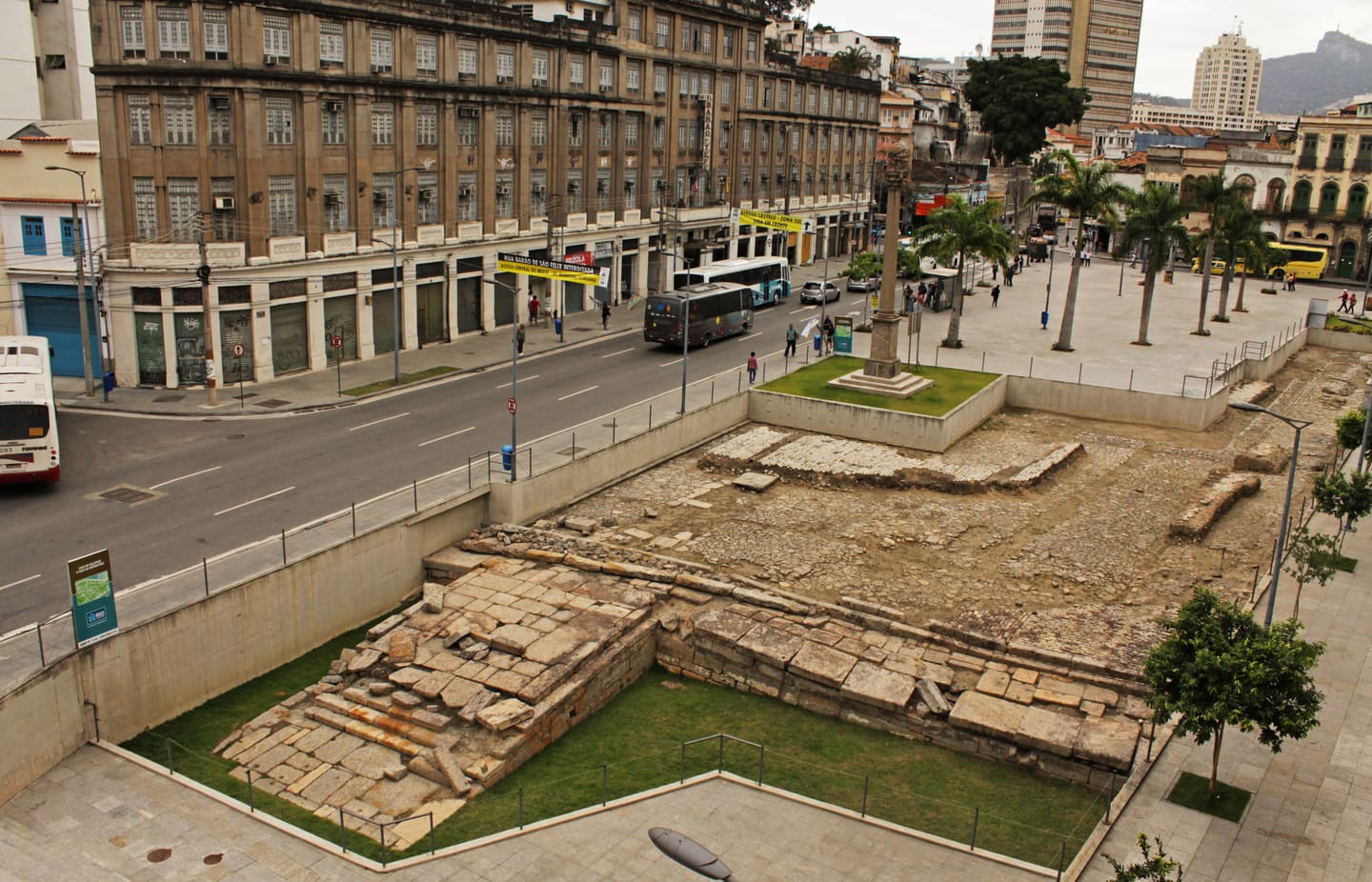
The sites are Valongo Wharf in Rio de Janeiro; the Sociedade Protetora dos Desvalidos, or Society for the Protection of the Disadvantaged, in Salvador, Bahia; and Serra da Barriga, home to the Quilombo dos Palmares Memorial Park, in Alagoas.
Their inclusion in UNESCO’s Network of Places of History and Memory Linked to Enslavement and the Slave Trade brings Brazil’s representation to six places, alongside three museums already participating in the initiative.
[See more: Rare encounter with Awá Indigenous group raises alarm over Brazil’s forests]
Valongo Wharf preserves the remains of a major landing point for enslaved Africans brought to Brazil. Located in Rio de Janeiro’s port area, it is a key site for understanding the scale and legacy of the transatlantic slave trade.
The Sociedade Protetora dos Desvalidos represents a history of Black solidarity and mutual support in Salvador, while Serra da Barriga preserves the memory of Quilombo dos Palmares, one of Brazil’s most important centres of resistance to slavery.
UNESCO’s latest announcement also names three places submitted by Côte d’Ivoire: the Lahou-Kpanda Lagoon Zone at Tchagba Lagoon; the Routes of Enslaved People along the Bandama River, between Tiassalé and Nandibo; and the Dida Country.
Launched in 2024, the network supports the preservation of places associated with enslavement and the slave trade, recognising the experiences of enslaved people and their descendants. It also encourages cooperation between institutions and communities through the exchange of knowledge and approaches to remembrance.
The first 22 inclusions were presented at UNESCO headquarters in Paris in October 2024, during events marking the 30th anniversary of the organisation’s Routes of Enslaved Peoples programme.
[See more: Brazil unveils global roadmap for phasing out fossil fuels ahead of COP31]
That initial group included three Brazilian museums: the Museu da Inconfidência in Minas Gerais, the Casa da Hera Museum in Vassouras, and the Museum of the Republic in Rio de Janeiro.
Their participation highlights the role of enslaved labour in Brazil’s history, including mining, coffee production and the wealth behind prominent buildings and institutions. Their museum projects seek to make these histories more visible while supporting education against racism and discrimination.
UNESCO plans to bring managers of the network’s participating places together for their first in-person meeting in March 2027. The workshop will focus on sharing experiences, addressing common challenges and strengthening community engagement.