The United Nations agency has awarded World Heritage status to iconic theatres and historic plantations, spotlighting the legacy of the Portuguese colonial era

Article by:
PUBLISHED:
UNESCO has officially expanded its World Heritage List, inscribing historic sites in both Brazil and São Tomé and Príncipe that trace the legacy of the Portuguese colonial period.
The inclusion of the roças – a network of six former agricultural plantations in São Tomé and Príncipe – underscores the continuing resonance of historic Portuguese sites around the lusophone world. Located in the Gulf of Guinea, these sites were planned colonial systems primarily dedicated to coffee and cocoa production.
[See more: Portugal’s Praia da Falésia earns spot in global top 50 beaches list]
In adding them to the World Heritage List, UNESCO noted that while the roças illustrate large-scale agro-industrial development from the late 19th to the mid-20th century, the system was heavily reliant on migrant and forced labour following the abolition of slavery. Today, several of these sites have been repurposed for tourism, while others continue agricultural operations, supporting the island nation’s reputation as a premium origin for fine cocoa and chocolate.
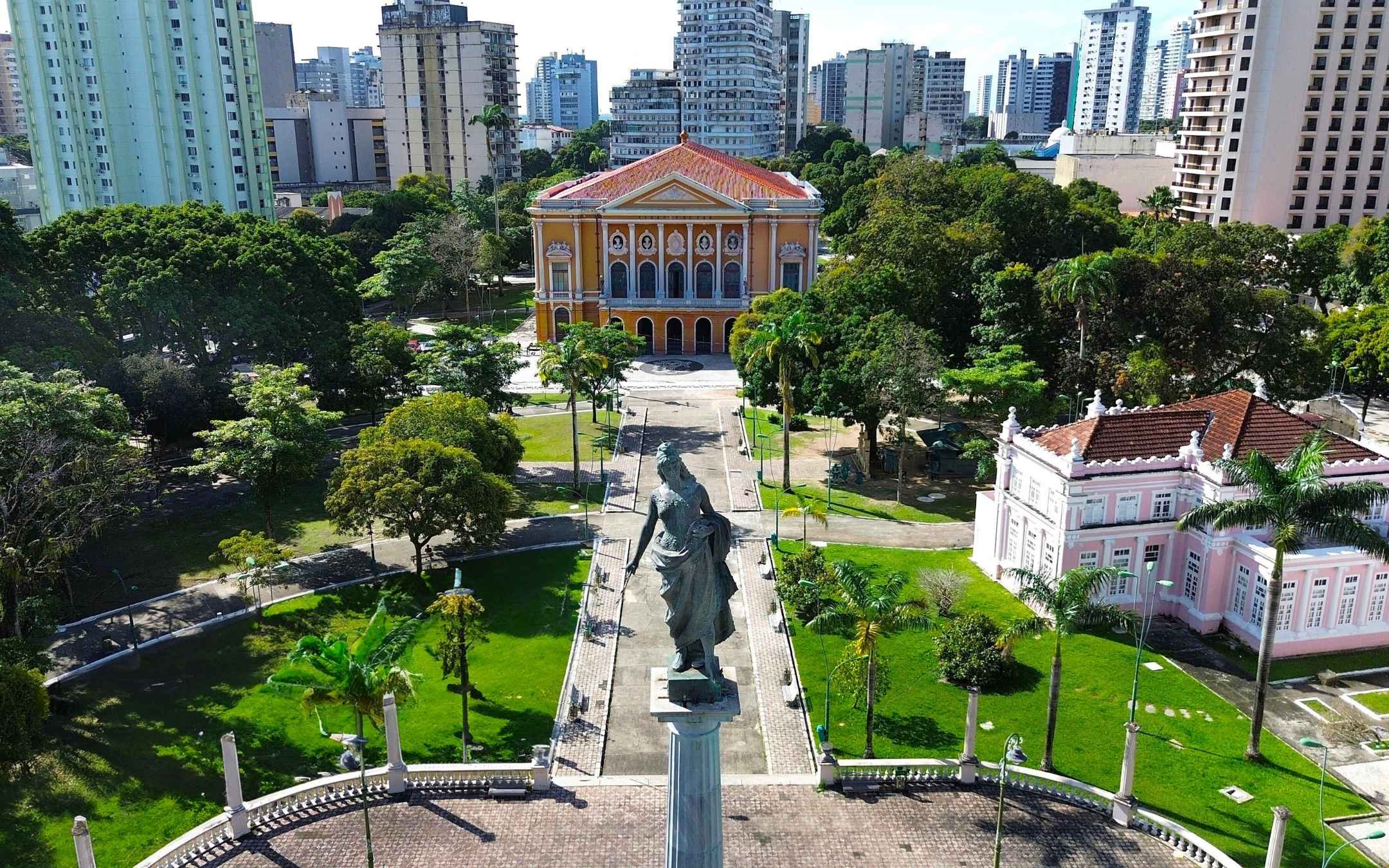
Meanwhile, across the Atlantic, the United Nations agency added Brazil’s Theatro da Paz in Belem and the Teatro Amazonas in Manaus to the World Heritage List These theatres, described by UNESCO as symbols of “political and urban ambition,” were central to the Amazon region’s late 19th-century rubber boom.
While they represent a “Golden Age” of economic wealth and architectural grandeur influenced by French design, historians have highlighted the period’s darker legacy, specifically the forced labour that decimated the region’s Indigenous populations.
The World Heritage List designation is expected to boost international visibility for these regions, encouraging preservation efforts while inviting a closer look at the complex histories embedded within their colonial-era infrastructure.
UPDATED: 29 Jul 2026, 10:02 am