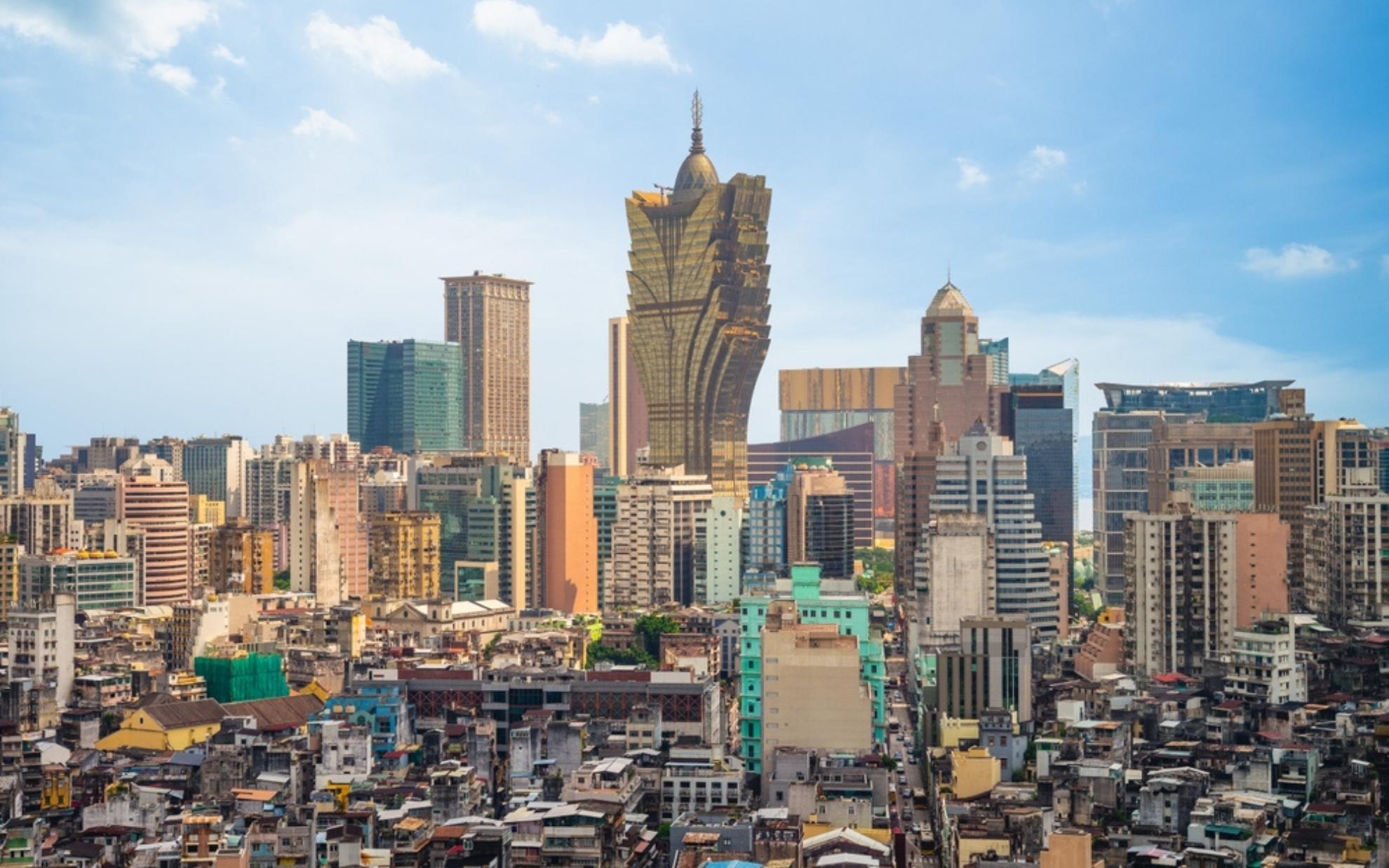
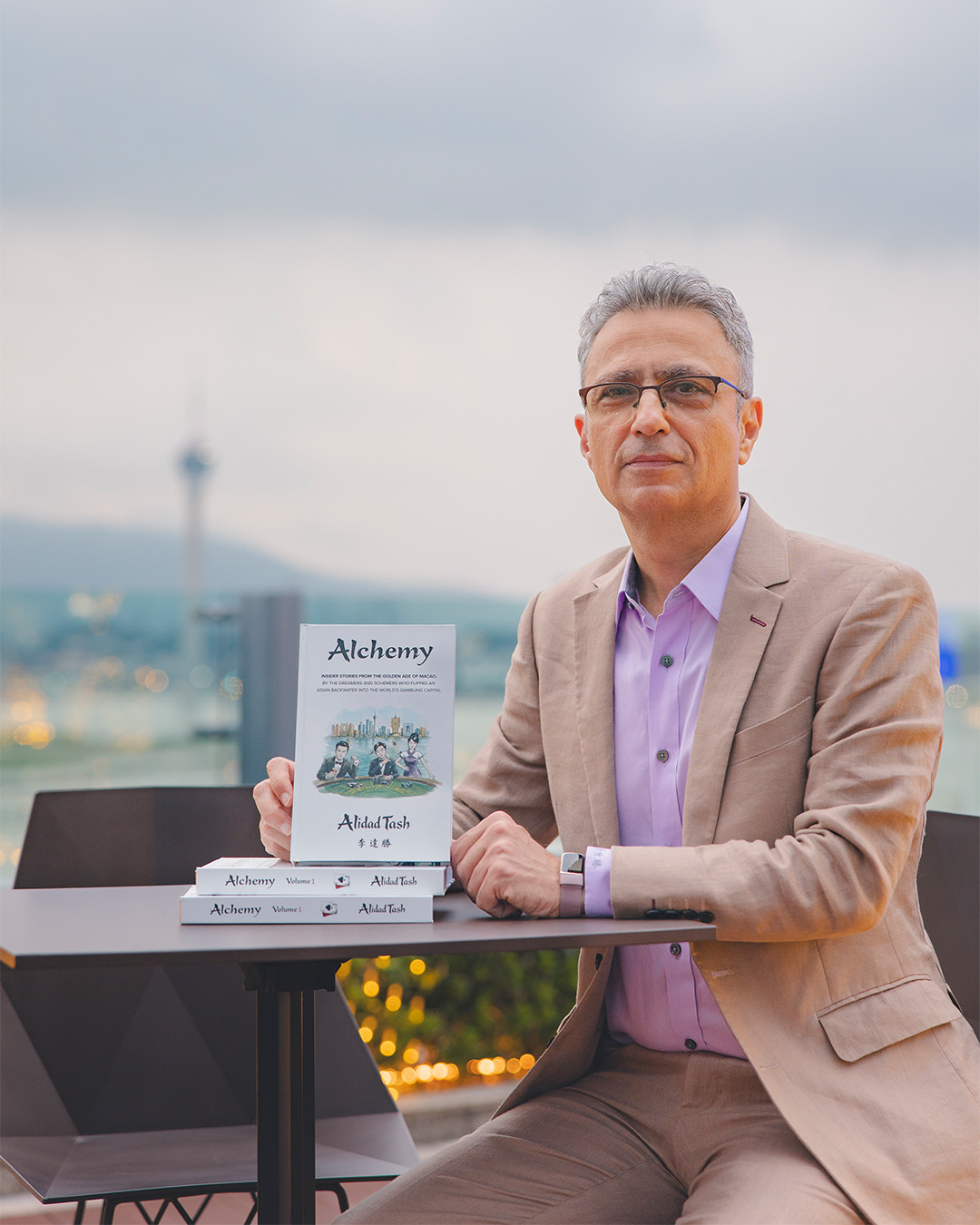
A new memoir by casino executive Alidad Tash recounts personal anecdotes, intimate conversations, and the industry figures that illustrate Macao’s transformation over the past two decades.
Macao’s unprecedented casino saga revisited in Alchemy
Article by:
PUBLISHED:

Known for crunching numbers, casino executive Alidad Tash takes a measured gamble on story-telling in his newly published book, Alchemy. The title, rooted in the medieval ideology of converting base metals into gold, serves as a fitting metaphor depicting the casino boom that reshaped Macao over the past two decades after the government dissolved the local gaming monopoly.
Reminiscing on his early years in Macao, the work is an informative read, stacked with figures that support the broader narrative. But it’s the personal anecdotes that sustain the book’s entertainment value, shared by those who witnessed the frontline of change.
[See more: ‘Macao was a supply-side revolution’ says Sands China’s CEO Grant Chum]
“I didn’t want their stories to be forgotten,” Tash tells The Bay.
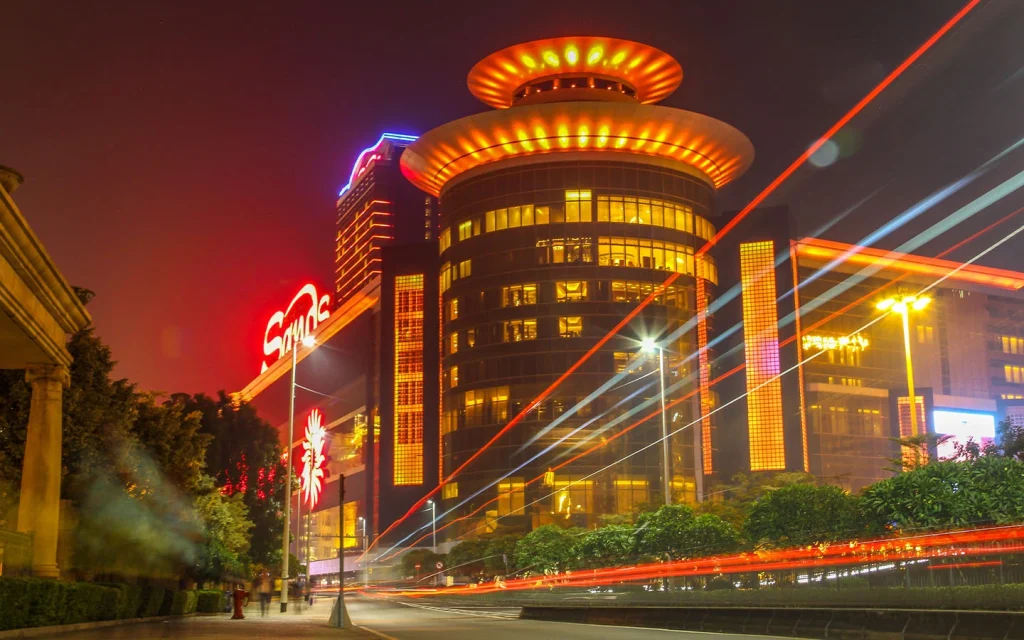
Alchemy combines unvarnished nostalgia and personal testimonies from the boardrooms but formatted to be retold on barstools. The book chronicles the arrival of a Las Vegas-style integrated resort that would later prove the most optimistic expectations to be left as conservative estimates. Upon opening in 2004, Sands Macao recouped its construction costs in the unprecedented speed of just eight months, and by 2006, Macao overtook Las Vegas as the gaming capital of the world. By the following year, that accolade cemented itself once the Venetian debuted on the Cotai Strip.
The Players
“There was an overlapping commitment among policymakers and casino executives to enable this renaissance,” Tash describes. While countless individuals were responsible for the transformation, the writer admits that he was unable to accommodate everyone, though hints that in the future, they could still make the book’s next iteration.
Among those mentioned are Las Vegas heavyweights Steve Wynn and Sheldon Adelson, key architects of Macao’s 21st-century casino story. “Their inclusion was not meant to undermine the contributions from other gaming families or organisations, but rather to highlight that Wynn and Adelson were true fish out of water, encapsulating the business and subsequent culture shock that Alchemy portrays,” Tash explains.
Some distinctions are made clear. Driven by a rapid pace of play and heavy staffing demands, Macao’s gaming floors operate at a much higher intensity than Las Vegas. A typical Vegas pit boss supervises four to eight tables of seated players. In contrast, a Macao floor manager often handles 20 tables simultaneously while dealers juggle wagers from both seated patrons and back-betters standing behind them.
[See more: Panellists stress the importance of data management at Macao’s G2E and Asia IR Expo]
The intangible differences further separated the two markets. Divergent philosophical perceptions of luck and feng shui widen the cultural gap, as local players believe they are capable of influencing their fortunes through spiritual practices. The immense weight placed on feng shui frequently perplexed those back in Las Vegas, often sparking disparaging remarks.
It also proved annoying to several executives, the book recalls, as it only seemed to become a problem when something went wrong. Numerous feng shui masters were consulted, often providing contradictory interpretations to the frustration for managers signing off on those expenses.
Lessons from the inside
Beyond the anecdotes, there is surprisingly suitable material here for an MBA lecture. Alchemy serves as a case study reminder that no textbook can ever fully prepare a student for the business world. “When someone hands you a ticket to a rocket ship, you don’t overthink it – you climb aboard,” reads a quote from casino industry veteran Andrew Billany which sets the tone in the early pages of the book.
Among the perpetual themes is navigating bespoke customer service for the casino world. While players exist as the lifeblood for any business, they are also the source of the book’s most bizarre shenanigans that makes Alchemy such an entertaining read. Accounts of players acting dead or eating their cards uphold the more modest stories told, but the balancing act of handling mischievous patrons embodies a double-edged sword of business, a conundrum only intensified by the massive amounts of money flowing through the casino doors.
Then there are those who try to scam the house. From fake casino rooms to inside jobs, these were more than smash-and-grab affairs. After Sands Macao opened, the resort found itself developing an anti-cheating blueprint in response to the near endless security issues, underscoring the importance of investing in innovative technologies like smart-tables to stay ahead, Tash says.
Looking at how far the city has come, the author views Macao as a maturing market, capturing changes in both the business and the demographics on the floor. The core engines have shifted, with self-funded premium mass players driving the majority of gaming revenues. And despite a broader slowdown, the world’s premier gambling destination is still projected to rise by five percent this year, easily outpacing the one percent growth forecasted for Las Vegas, based on Morgan Stanley estimates.
All told, Alchemy pays homage to Tash’s home of twenty years. A second volume is in production, with a Chinese translation set to be released soon. The move is not intended to merely expand the readable market, but to ensure that these stories reach a local audience. “Who knows, maybe some will recognise one of the players as being someone’s uncle,” Tash jokes.
UPDATED: 01 Jul 2026, 8:05 pm