Motorists and transport operators stand to benefit from the significant reduction as international crude oil prices decline.

Article by:
PUBLISHED:
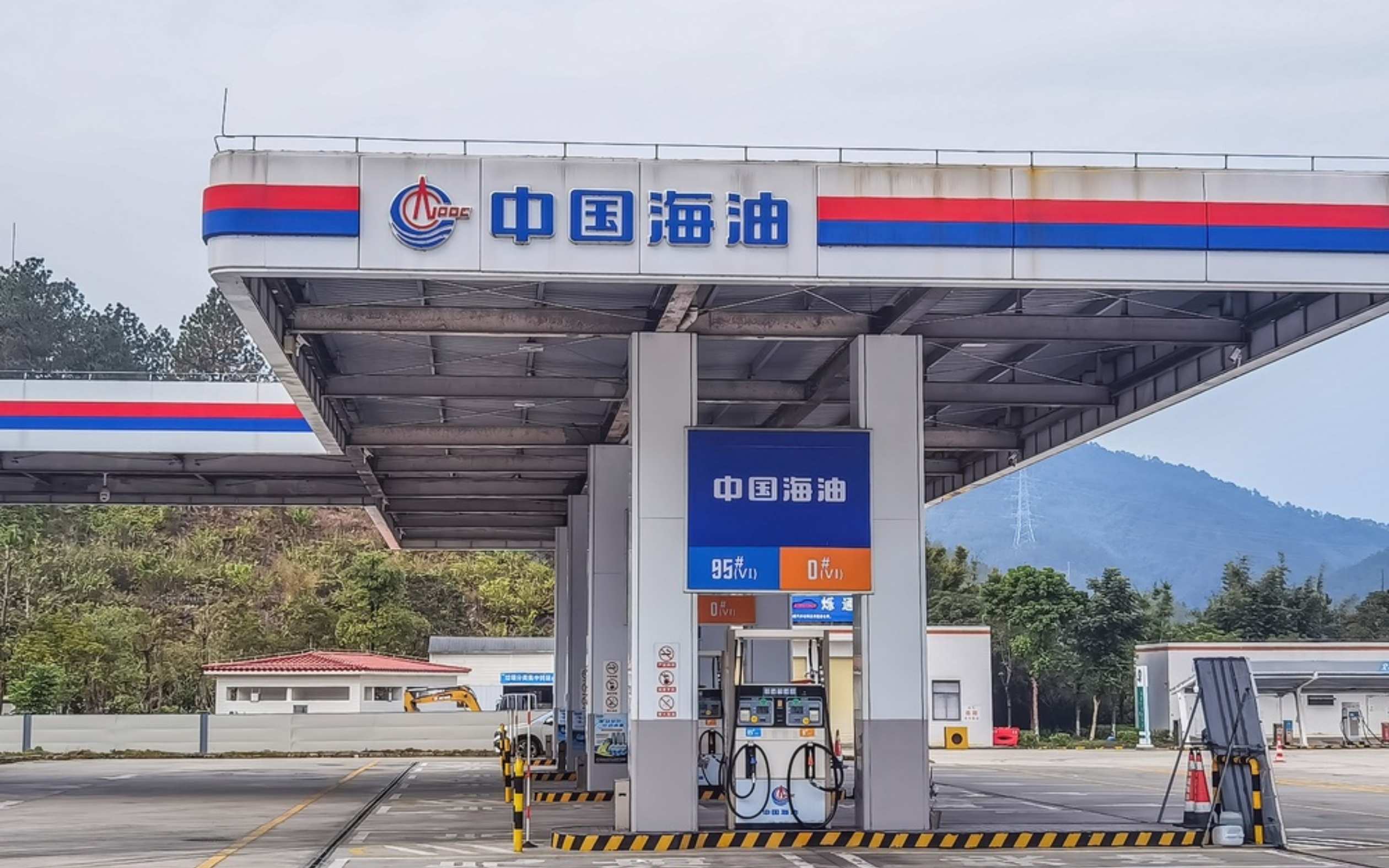
Starting this Saturday, China is set to implement its third consecutive reduction in retail petrol and diesel ceiling prices. China’s fuel price cut represents the most significant decrease observed in nearly six years, according to the National Development and Reform Commission (NDRC).
Under the latest adjustment protocol, the ceiling prices for petrol and diesel will be reduced by 950 yuan (US$132.40) and 915 yuan per tonne, respectively. This update is consistent with the nation’s established pricing mechanism, which mandates revisions to domestic fuel costs every 10 working days to reflect fluctuations in the international crude oil market, the State Council Information Office says.
[See more: China introduces new measures to boost national automobile consumption]
China’s fuel price cut follows a downward trend in international crude values, prompted by an easing in Middle East tensions and a gradual restoration of shipping operations via the Strait of Hormuz. Tian Lei, who serves as the head of the economy centre at the Energy Research Institute of the Chinese Academy of Macroeconomic Research, highlighted these factors as the primary drivers behind the adjustment.
The reduction is expected to offer immediate relief to consumers, with Tian estimating that private motorists will save approximately 40 yuan per fill-up. For commercial operators, the impact is even more substantial, with truck drivers potentially seeing savings of up to 400 yuan per tank.
In light of the adjustment, the NDRC has instructed major domestic oil producers and refiners to maintain a stable market supply and adhere to the national pricing policies.
This pricing move occurs against a backdrop of evolving energy demands; official figures for 2025 indicated that China’s total energy consumption reached 6.17 billion tonnes of standard coal equivalent, representing a 3.5 percent year-on-year increase. During the same period, crude oil consumption rose by 3.6 percent, even as the country continues to expand its proportion of clean energy usage.