A robust export performance driven by AI hardware and front-loading ahead of potential tariffs has pushed trade figures to multi-year highs
Article by:
PUBLISHED:
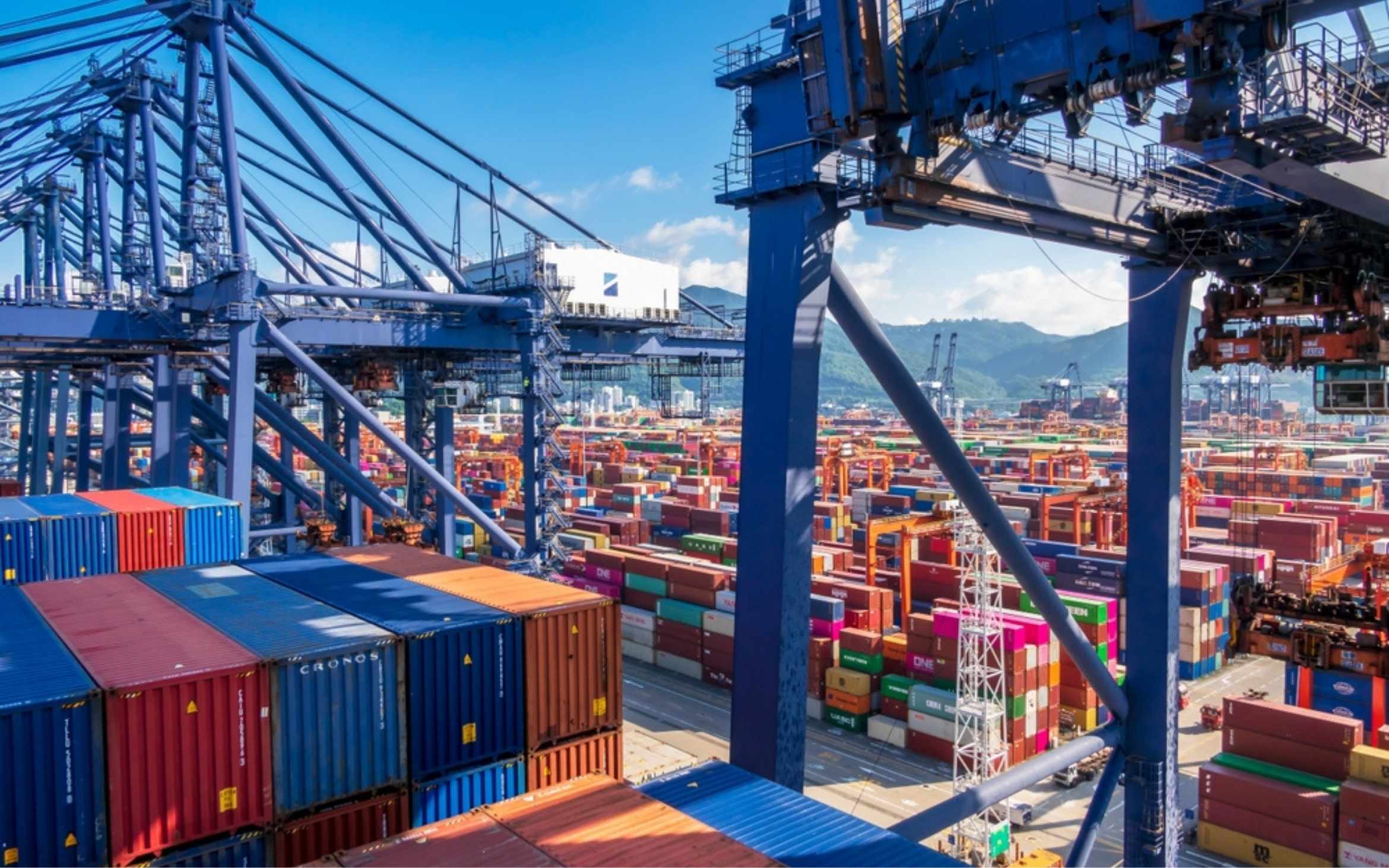
A significant Chinese export surge was recorded in June, with growth rates far outpacing economist expectations as the nation’s exporters sought to capitalise on a global rise in demand for AI hardware and preempt anticipated tariff hikes from the United States.
Customs data released on Tuesday, and cited by CNBC, showed that overall exports rose by 27 percent in US dollar terms from a year earlier. The Chinese export surge represents the strongest growth performance since October 2021, quickening significantly from the 19.4 percent gain recorded in May. Analysts had initially forecast growth of 18.2 percent, suggesting the country’s industrial output is firing on multiple cylinders.
The first half of the year highlighted a distinct divergence in trade performance, CNBC says. Semiconductors, rare earths, automobiles, and ships emerged as the fastest-growing categories of the Chinese export surge. Conversely, traditional exports such as toys, footwear, steel, and furniture lagged behind, reflecting a shift in the composition of China’s global trade footprint.
A key driver behind the June figures was the rush to secure shipments ahead of potential US trade barriers. Manufacturers are currently bracing for additional tariffs stemming from US President Donald Trump’s Section 301 probes, as the current 10 percent broad-based duty is slated to expire on July 24. Consequently, China’s shipments to the US jumped by approximately 14 percent last month, while imports from the same source grew by 26 percent.
Imports overall saw a substantial increase, growing by 36 per cent in June – the largest jump since June 2021 – and easily beating the 24 percent forecast. This brought the trade surplus to US$125.6 billion. However, this import strength remained concentrated in high-tech products. This pattern continues to highlight a persistent supply-demand imbalance within the domestic economy. While industrial output and tech-driven exports power headline growth, domestic consumption and private investment remain lacklustre, hampered by a long-running property downturn.
Looking ahead, experts suggest that trade tensions may simmer. Zhiwei Zhang, president and chief economist at Pinpoint Asset Management, told CNBC that exports are likely to remain strong in the second half of the year. This could exacerbate friction with trading partners, particularly in Europe. Brussels and Beijing have already established a consultation mechanism to address these imbalances, with European officials hoping to see tangible results by October.
Geopolitical risks also loom large. A sanctions bill proposed by the late US Senator Lindsey Graham has introduced the wildcard of potential secondary tariffs of up to 500 percent on goods from countries that continue to purchase Russian oil and gas. As China remains the largest buyer of Russian crude, such a penalty would pose a significant risk. Lynn Song, chief economist for Greater China at ING Bank, noted that such factors could potentially “throw a wrench” in the export performance seen thus far.
[See more: EU fees signal potential blow for Chinese e-commerce giants]
Meanwhile, the energy sector painted a different picture. China’s crude oil imports plummeted by 41 percent from a year earlier, falling to 29.3 million tons – reportedly the lowest level in nearly a decade. Julian Evans-Pritchard, head of China economics, suggested to CNBC that this slump likely reflects inventory drawdowns rather than a collapse in oil demand.
The broader economic picture remains under scrutiny as the country awaits the release of second-quarter gross domestic product figures. Economists polled by Reuters anticipate that growth will have slowed to 4.5 percent in the second quarter, following a 5 percent increase in the first. With industrial output and retail sales for June also expected on Wednesday, investors are turning their attention beyond the Chinese export surge to a late-July Politburo meeting for signals on potential stimulus measures.