The province’s retail trade was valued at around 2.32 trillion yuan (US$343.52 billion), with cities such as Shenzhen and Guangzhou performing robustly
Guangdong’s retail sales up 1.3 percent in the first half of 2026
Article by:
PUBLISHED:
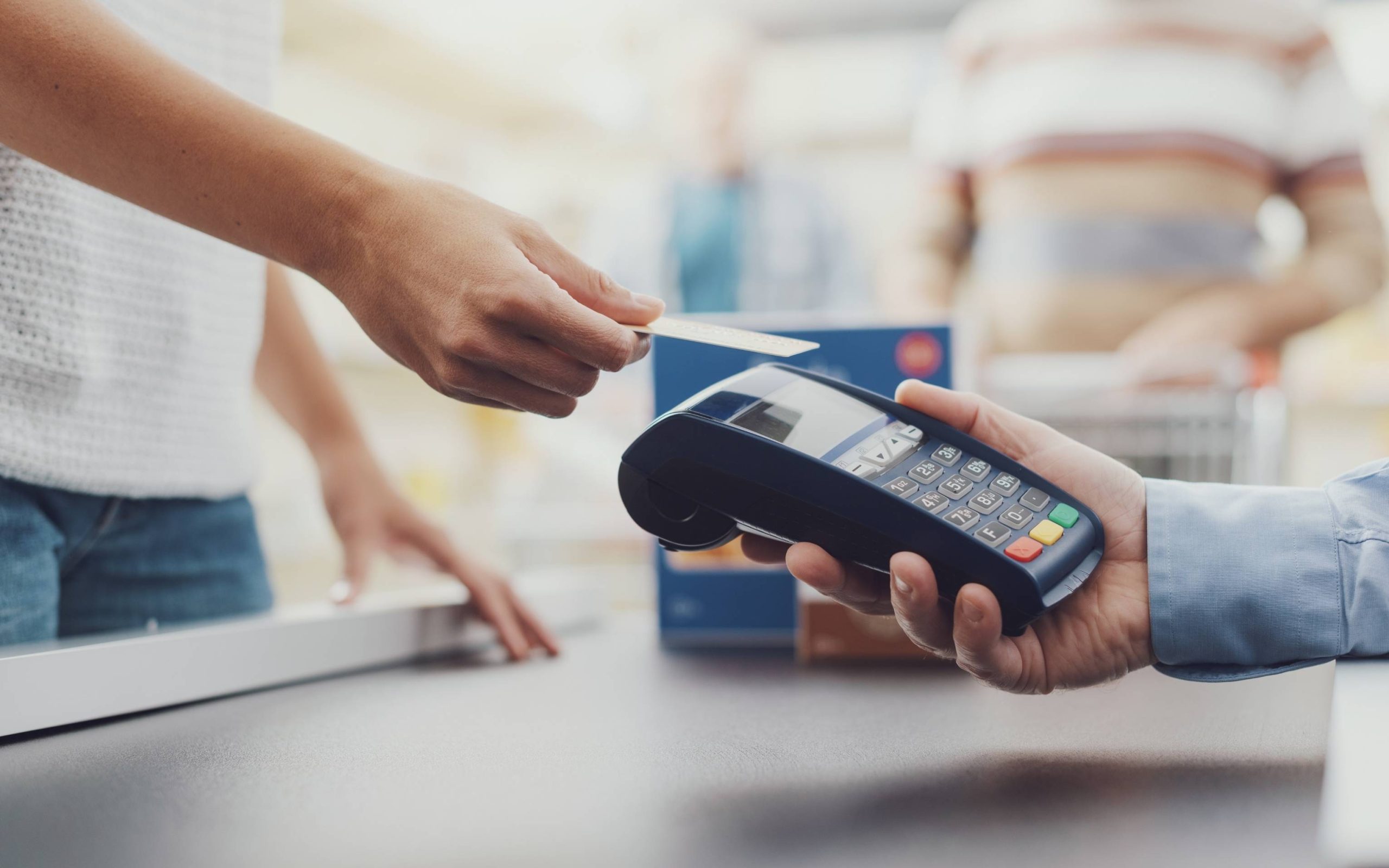
Guangdong’s retail sales totalled approximately 2.32 trillion yuan (US$343.52 billion) between January and June of 2026, an increase of 1.3 percent year-on-year, according to government data released on 23 July.
Cities and towns saw their retail trade grow by 1.4 percent, while villages saw their overall figure drop by 0.2 percent.
Growth was recorded across various product types, including food items (+6.4 percent), beverages (+7.6 percent), clothing, shoes and hats (+19.3 percent), as well as makeup products (+7.5 percent).
Meanwhile, telecommunications equipment, sports and entertainment products, and office supplies experienced a year-on-year rise of 33.3 percent, 3.6 percent and 0.9 percent respectively.
Online retail sales also jumped by 8.3 percent for Guangdong enterprises above a designated size.
How did the GBA’s biggest mainland cities do in terms of retail sales?
Across the Greater Bay Area (GBA), major cities such as Shenzhen, Guangzhou and Dongguan registered modest retail growth during the first half of 2026, but with strong performances in specific product categories.
Guangzhou’s retail trade increased 2.9 percent to 577.47 billion yuan (US$85.5 billion). Sales growth was especially pronounced for accommodation and catering firms above a designated size, which witnessed their online revenue growing by 22.2 percent.
[See more: China introduces new measures to boost national automobile consumption]
Meanwhile, retail sales in Shenzhen hit a value of 500.58 billion yuan (US$74.12 billion, +1.2 percent), with products such as telecommunications goods, furniture and office supplies growing by 42.4 percent, 19.1 percent and 11.2 percent respectively.
Dongguan’s consumer trade grew 1.4 percent, totalling 222.67 billion yuan (US$32.97 billion). Products that experienced a considerable surge in sales included telecommunications items, which rose 40.9 percent.
How did the GBA’s other cities perform ?
The GBA’s smaller cities reported mixed results for the first six months of 2026 across various product categories. Foshan logged 200.99 billion yuan (US$29.76 billion) in retail sales, up 0.1 percent, with a 40.9 percent growth in telecommunication equipment.
Huizhou also reported retail sales of 102.68 billion yuan (US$15.2 billion), down 1.1 percent. Despite this, the city’s sale of telecommunication goods and smart wearables surged by 51.5 percent and 134 percent respectively.
In Zhongshan, sales hit roughly 85.52 billion yuan (US$12.66 billion) during this period, up 4.8 percent year-on-year. Notably, the city’s online consumer sales rose by 48.5 percent, while sales of car products jumped by 7.4 percent.
As for Jiangmen and Zhuhai, their retail trades respectively totalled 64.13 billion yuan (US$9.49 billion, +0.4 percent) and 46.82 billion yuan (US$6.93 billion, -0.3 percent). The latter registered particularly strong growth in new energy vehicle sales, surging by 32.8 percent.
As of writing, the Zhaoqing authorities had yet to release retail sales data for the initial six months of 2026.