The Hong Kong property market continues to build on last year's fragmented recovery with real estate experts upgrading their outlook for Central and Admiralty office space.
Hong Kong property market: CBD office demand taking up supply faster than expected
Article by:
PUBLISHED:
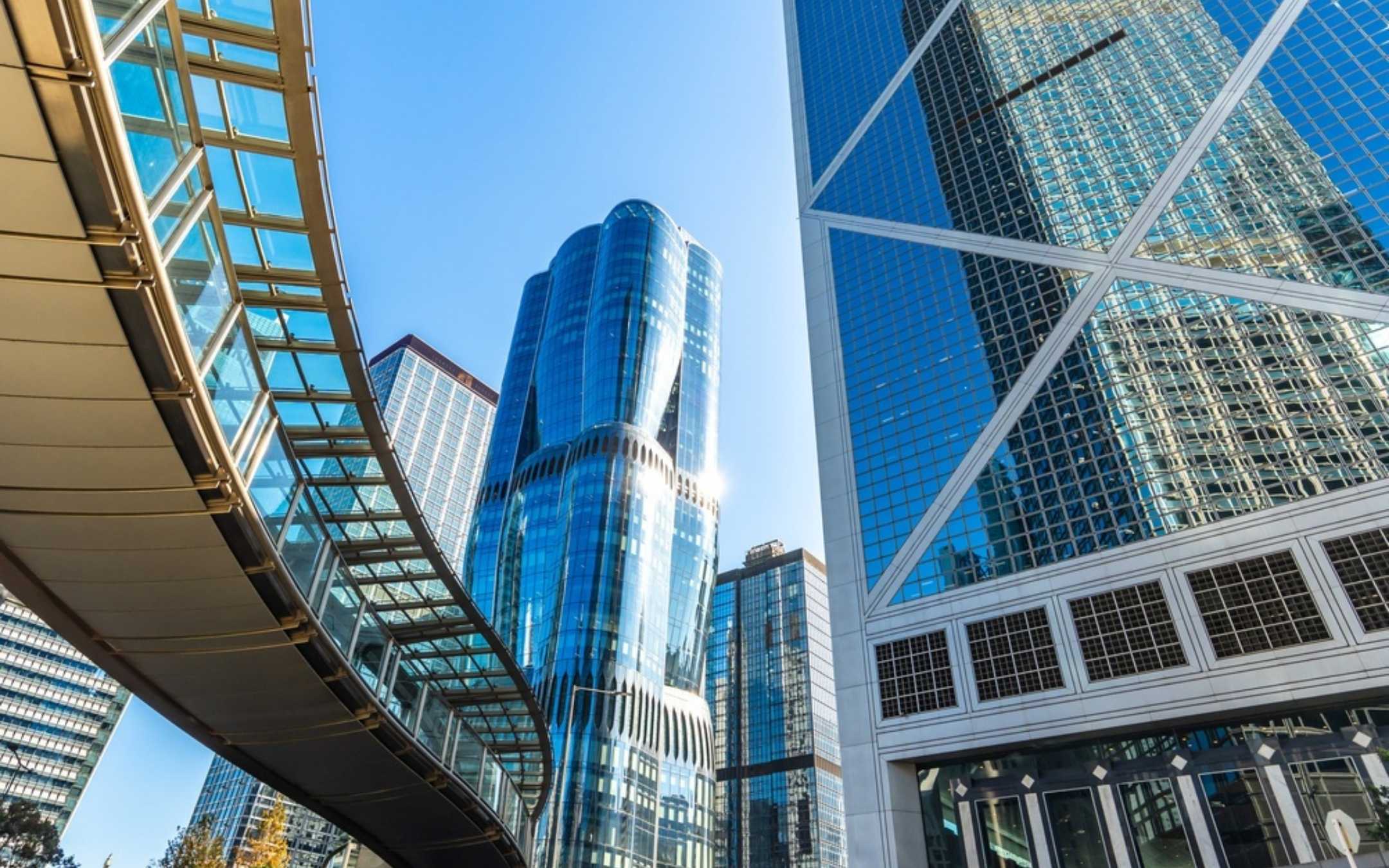
Notwithstanding new supply of 1.2 million to 1.4 million square feet of office space coming online, demand in Hong Kong’s central business districts (CBD) has registered four consecutive quarters of positive absorption, raising the trailing 12-month total to 888,000 square feet. That’s according to a Hong Kong property market report by global real estate firm Colliers.
Given the pickup, office vacancies in the CBD have fallen to 10.2 percent from 14.5 percent a year ago, with year-to-date rents up 5.5 percent. While Hong Kong’s overall office segment is expected to experience flat growth for 2026, core districts like Central and Admiralty should continue to support the broader Hong Kong property market, the report reads.
Offsetting the pickup in the CBD, decentralised office units in areas like Island East and Kowloon East continue to favour tenants, with year-to-date rents falling 2 percent and 4.1 percent, respectively.
[See more: Macao’s residential prices hit a 13-year low in the second quarter of 2026]
Industrial and warehouse rents will also continue to slide, with Colliers forecasting a 5 percent drop this year. Despite tailwinds from AI-driven exports, gains in business confidence, and PMI survey outlooks, leases remain under pressure due to landlord incentives to preserve higher occupancy rates. However, Hong Kong’s plan to expand gold storage capacity could be a sector catalyst in the medium term.
“While modest pre-commitments may push vacancies higher in the affected submarkets, broad rent corrections are unlikely as the market has largely priced in the new supply,” noted Kathy Lee, head of research and retail consultancy at Colliers, in remarks sent to The Bay.
Hong Kong property market: multiplier effect for the GBA
Last year’s stamp duties have boosted the residential market, where declining inventories and better affordability are feeding into higher home prices. Given the unabated momentum, investment house Citi recently upgraded its sector guidance, penciling in a 12 percent rise in home prices this year, up from an earlier forecast of 8 percent.
In addition to last year’s buoyant stock market and subsequent wealth effect, industry experts have cited population inflows as a key driver of the Hong Kong property market. Improving academic standing has attracted a growing number of international students as hotels and commercial buildings are being refitted for dorm-style accommodation.
The influx of overseas students coincides with a revised talent scheme supporting housing demand beyond local residents. Since 2023, nearly 400,000 people, mostly from mainland China, have entered Hong Kong, according to estimates by Morgan Stanley, demonstrating that both education and living-sector opportunities should remain key investment themes and uphold Colliers’ full-year transaction value forecast of HK$42 billion (US$5.4 billion).
[See more: Shenzhen property market sees significant recovery momentum]
Despite representing just two percent of the overall land bank, analysts estimate that Hong Kong’s commercial real estate is worth between a third and one-half of the Greater Bay Area’s overall property market, underscoring the city’s valuation delta and role as a swing factor in shaping regional dynamics.
The resilience of Hong Kong’s commercial property market was on display this past quarter and should continue for the remainder of the year, Lee shared, adding that while macroeconomic uncertainties such as potential interest rate volatility, tighter liquidity conditions and geopolitical developments remain, Hong Kong property market fundamentals have continued to improve across several sectors.