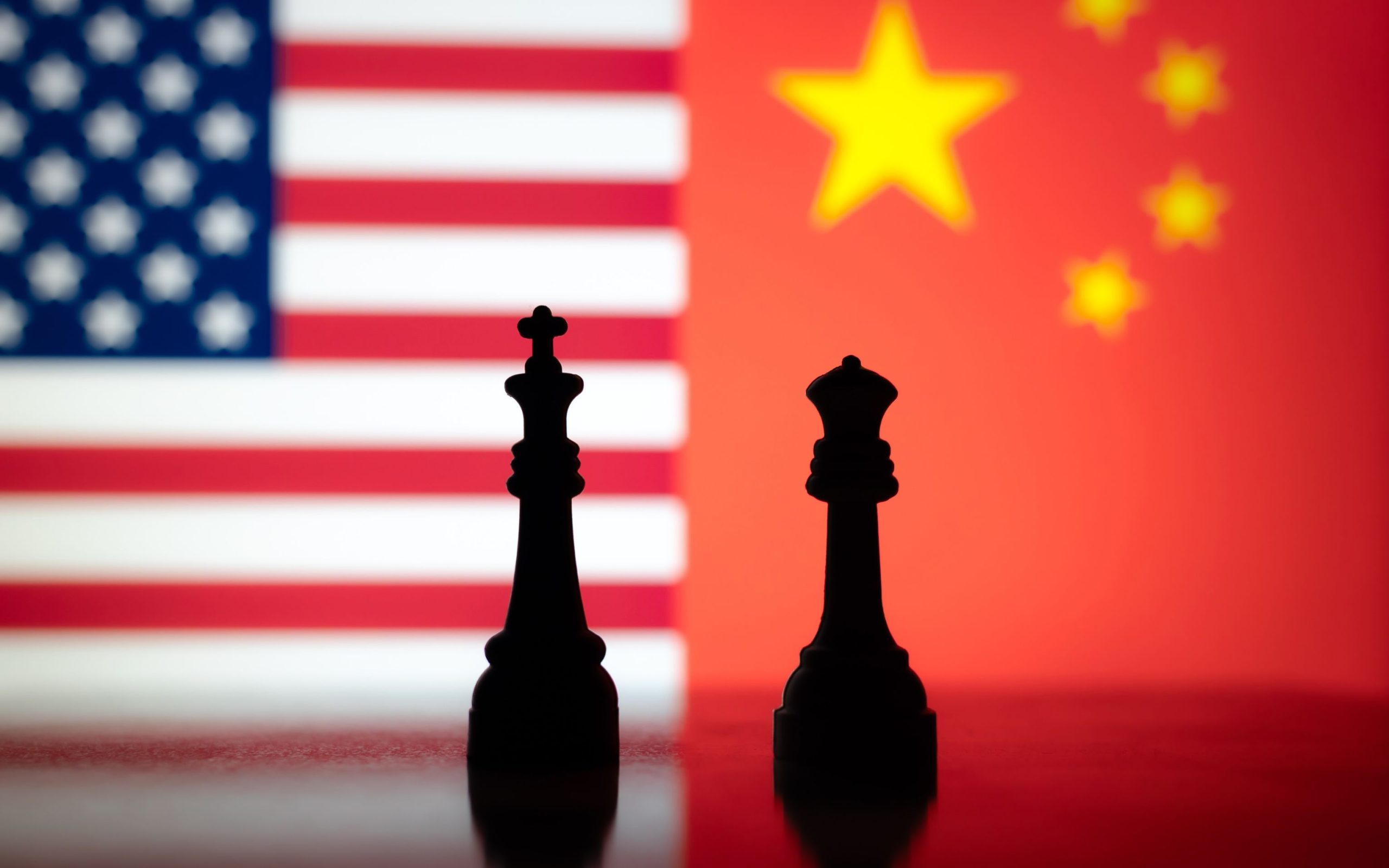
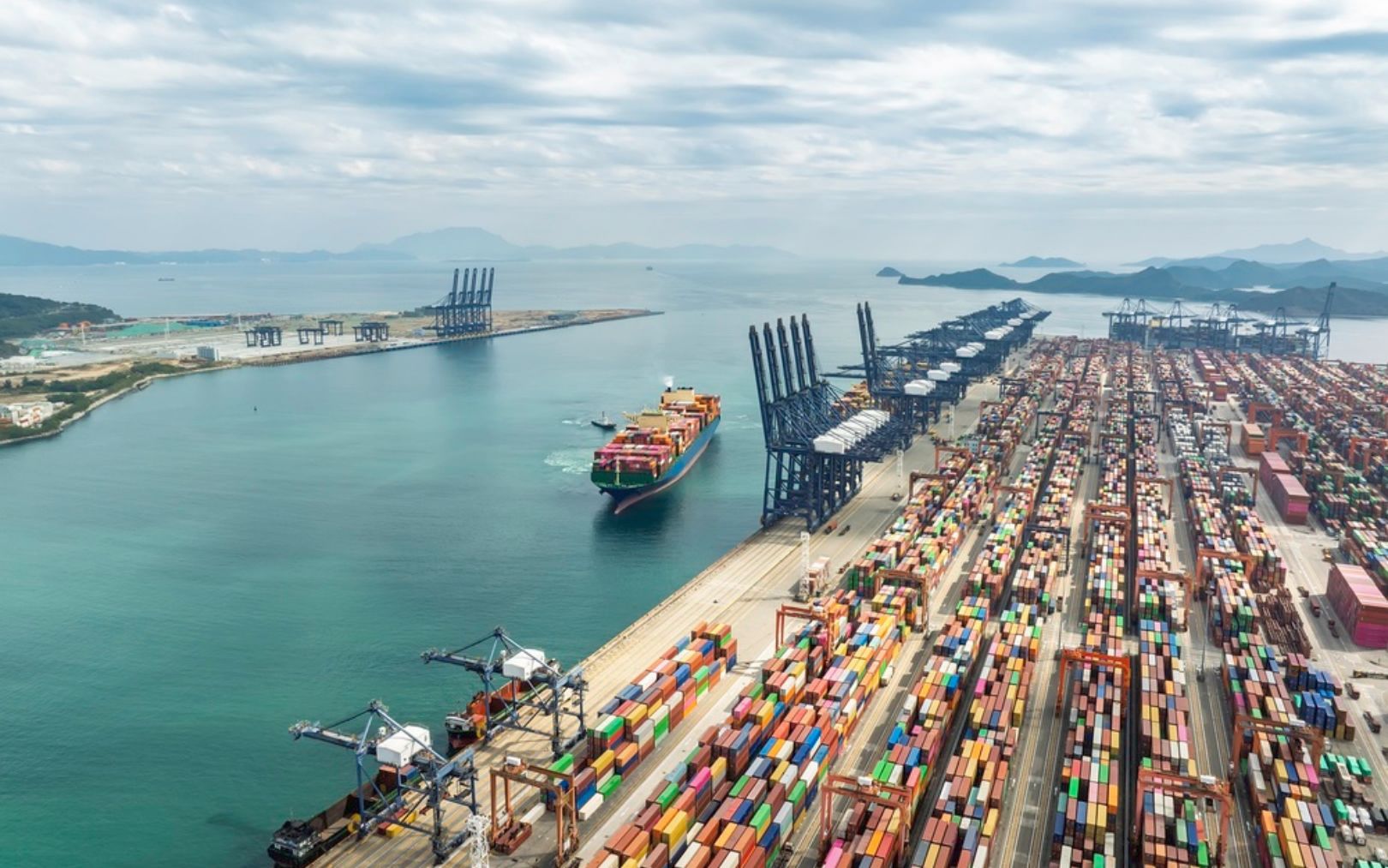
The US has proposed aggressive new tariffs on 14 major trading partners, with China facing significant potential duties.
Article by:
PUBLISHED:
US President Donald Trump’s administration has announced a sweeping new trade policy, proposing maximum potential tariff rates ranging from 20 percent to 40 percent. The measures are designed to counteract what Washington claims are market-distorting practices that undermine the US manufacturing base.
According to Hong Kong’s public broadcaster RTHK, the announcement follows an eight-month unfair trade practices investigation into excess industrial capacity conducted by the Office of the United States Trade Representative (USTR). USTR aims to rebuild tariff leverage after previous global duties were struck down under a national emergencies law.
[See more: President Trump calls Shenzhen ’immaculate’ after APEC summit]
Under the proposed framework, China would face a capped rate of 20 percent, which would be added to duties of roughly 25 percent imposed during Trump’s first term. This rate aligns with a current US-China trade truce expiring on January 10, though failure to maintain the agreement could see China’s rate rise to 40 percent. Approximately US$30 billion of Chinese imports under consideration for tariff reductions through the Board of Trade remain exempted.
A spokesperson for China’s embassy in Washington firmly rejected allegations of industrial overcapacity, stating that the issue does not exist and should not be used as a pretext for political manipulation. Beijing urged Washington to deliver on previous agreements reached by President Xi Jinping and President Trump.
Other major economies are also affected by the proposals. Vietnam faces a capped rate of 20 percent, which could increase to 35 percent if ongoing trade negotiations fail. Meanwhile, Japan, South Korea, the European Union, and Switzerland face a proposed capped rate of 15 percent, inclusive of existing Most Favoured Nation duties.
[See more: Support for world bay area association at APEC CEO Summit]
Cambodia, Indonesia, Malaysia, Thailand, and Bangladesh face an 18 percent rate. India faces 17 percent if an agreement is finalised or 25 percent if talks collapse, while Singapore would receive a capped rate of 10 percent.