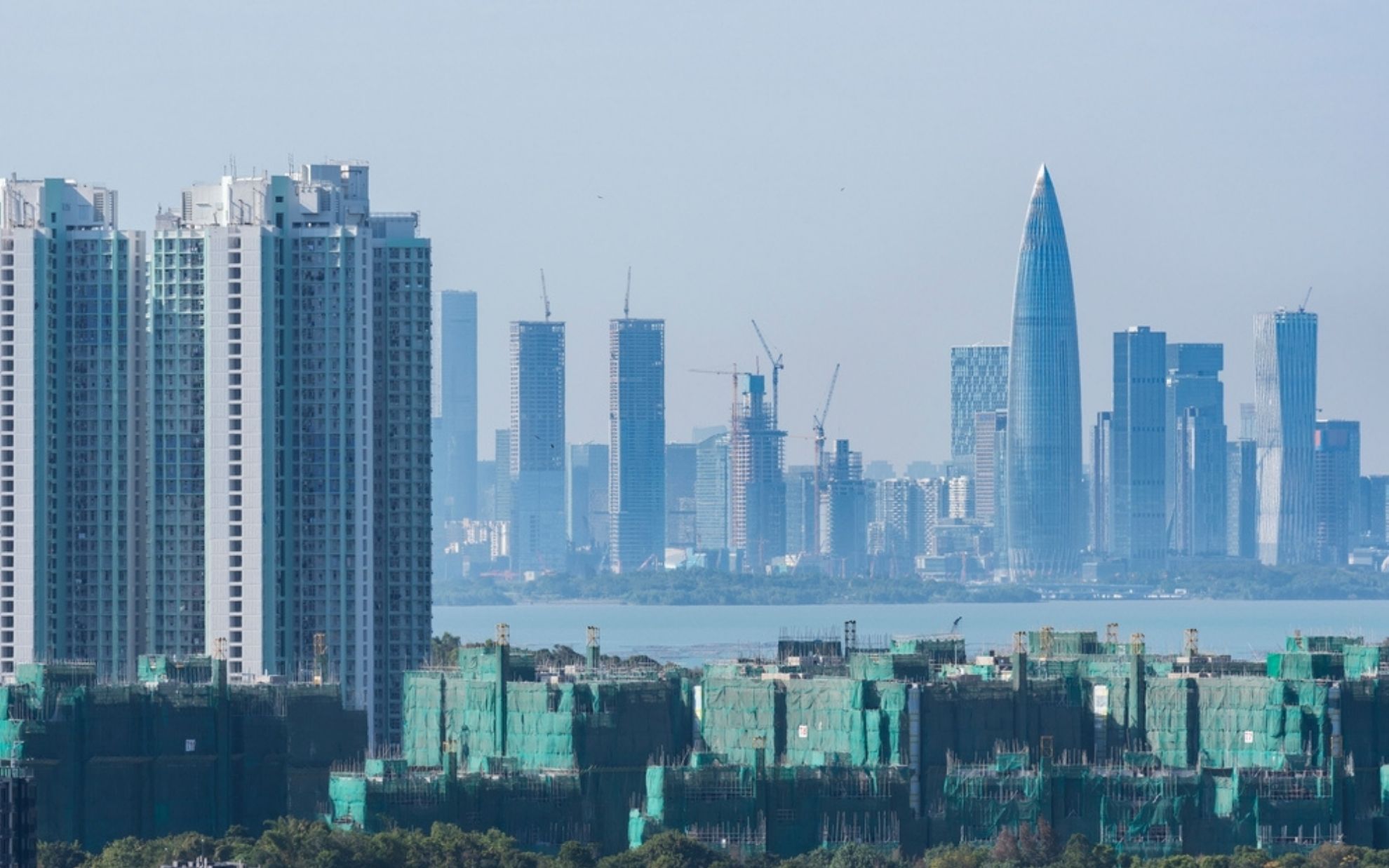
Despite steady gambling revenues from overnight guests, the pickup in day trippers has not benefited industry turnover, leaving VIP win rates as the main earnings catalyst
CLSA: VIP win rates to drive Macao casino quarterly earnings
Article by:
PUBLISHED:
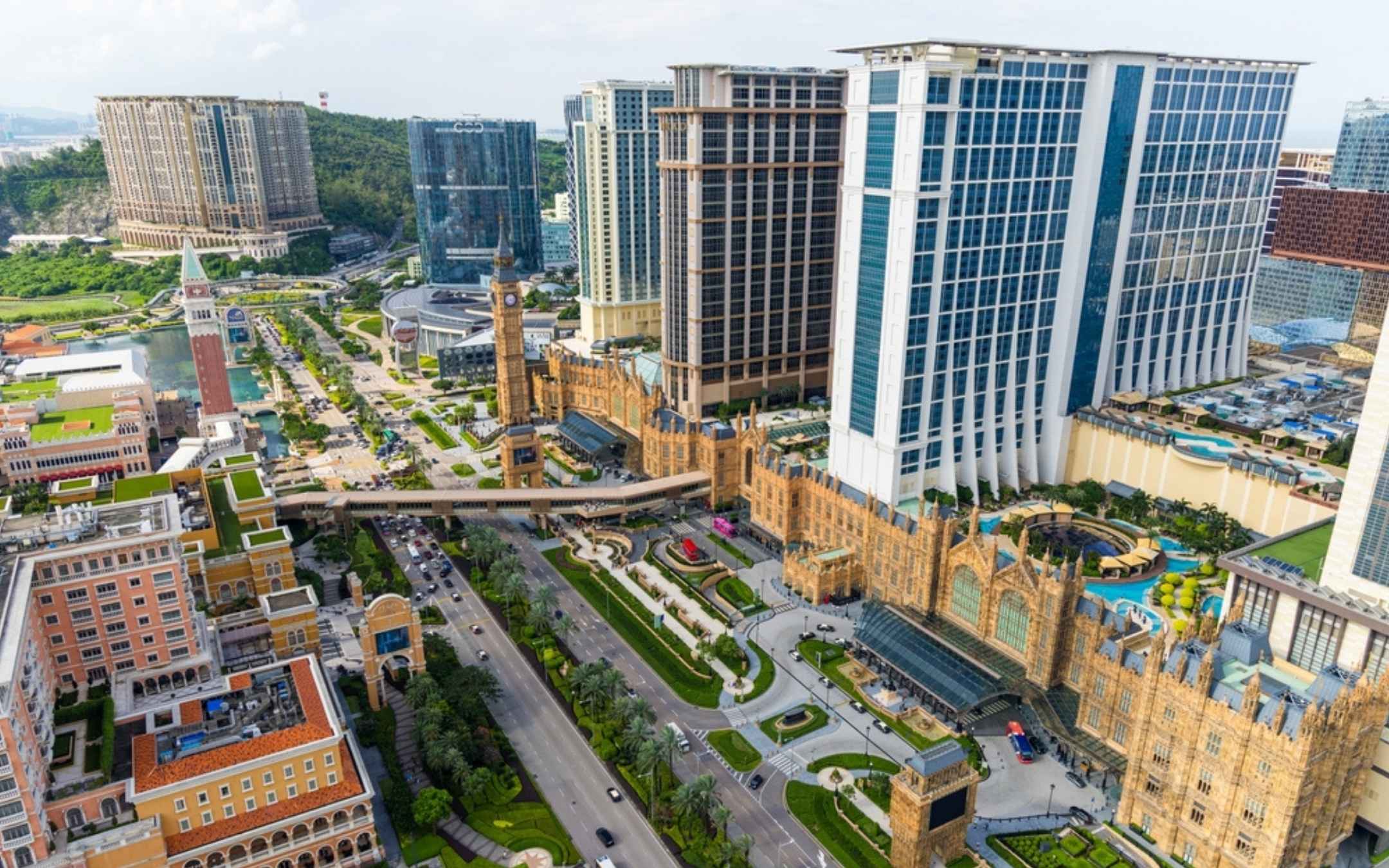
Amid last quarter’s 4 percent decline in gross gaming revenues (GGR), CLSA is forecasting earnings before interest, taxation, depreciation and amortisation (EBITDA) for Macao’s six gambling concessionaries to drop 11 percent to US$1.8 billion when third-quarter results are released.
But even with anaemic top-line numbers, the investment house expects sequential EBITDA margin improvements, driven partly by above-normal VIP win rates. In a research note published earlier this week, gaming analyst Jeffrey Kiang projects EBITDA margins to rise 40 basis points from the previous quarter to 24.6 percent, though still below the third quarter of last year, while also cautioning the uplift to be short-lived since cost pressures and player rebates continue to persist.
[See more: Macao’s visitor numbers climb in first half of 2026]
Changing customer profiles amplify the challenges, Kiang explains to The Bay. While overnight visitors contracted 2.5 percent to 3.1 million arrivals during the July and August months, corresponding GGR per overnight spender eased in line with the slide, underscoring the importance of high-value players to Macao’s gambling industry, he said.
Meanwhile, the incremental growth in day trippers has not translated into higher gambling revenues. Despite cumulative arrivals rising 4.5 percent to 8 million arrivals during those two months, GGR per total visitor fell by 7 to 11 percent, highlighting the mismatch between overall visitor volumes and per-visitor play.
Macao casinos: GGR outlook downgraded
With few supportive macro indicators, CLSA downgraded its GGR growth outlook to 2 percent for 2027 and 4 percent in 2028, removing 19.5 billion patacas (US$2.41 billion) over the two-year period following the revelation. The 2026 outlook of 253 billion patacas was left unchanged.
The sector is missing an immediate catalyst, Kiang remarked. Macao’s GGR dropped 1.2 percent in September, extending its fourth consecutive negative reading, which came in below consensus estimates. Compounding the weakness was last year’s low base when the gambling tables were offline for 33 hours due to Super Typhoon Ragasa.
[See more: September divides Macao gambling analysts, with budget constraints the pivotal driver]
Adding back the estimated loss of 900 million patacas implies that September’s gaming revenue would have fallen by 5.9 percent, according to estimates calculated by The Bay.
Macao officials have chosen to leave the budgeted GGR of 236 billion for this year unchanged, noting that the shortfall of 50 billion patacas could be achieved over the final three months of the year. To reach this mark, monthly GGR would need to average at least 16.3 billion patacas, a level last reached back in November 2023.
At the investment level, pessimism continues to weigh on share prices. The market value for Macao’s casino stocks has fallen by about a third this year, underperforming ASEAN gambling names and the broader Hang Seng Index.
The sector is trading at historically depressed trading multiples of 8.1x forward EV/EBITDA based on the bank’s forecasts. The current free-cash-flow yield estimate is also 9.1 percent, materially higher than its post-Covid long-term average of 7.5 percent, while the sector yield is 6 percent.
However, Kiang notes that simple comparison factors will not be enough to attract new capital, particularly as rising US bond yields threaten to channel liquidity into US Treasuries. The US central bank raised interest rates back in September for the first time since 2023, widening its yield spread with Macao gambling stocks, thus dampening relative appeal, he said.