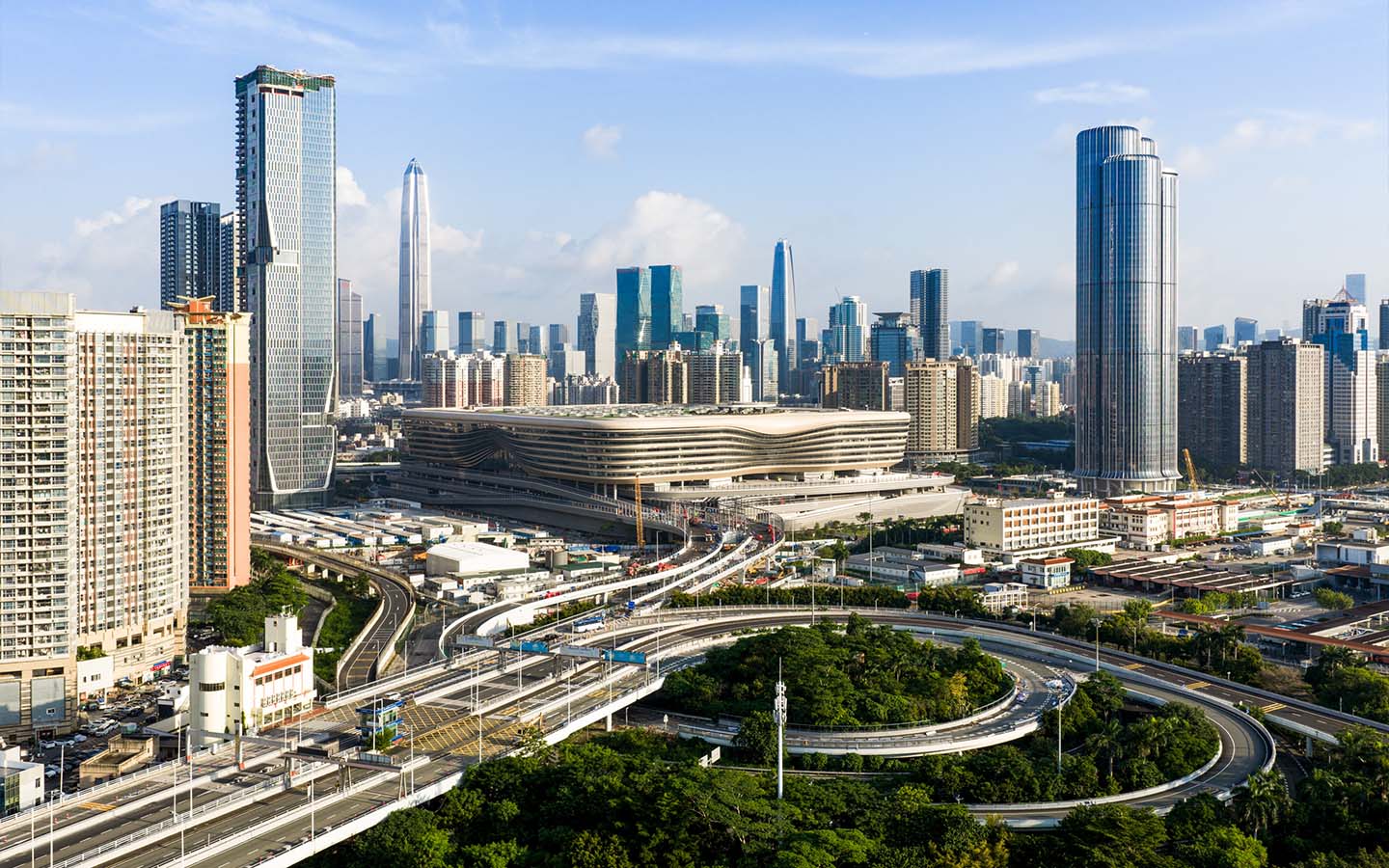
A new United Nations report ranks Hong Kong third globally for data-centre grid carbon intensity – 43% above the world average – as the city's fossil-fuel-powered grid collides with its ambitions to become a regional AI and data hub
Hong Kong’s data centres among world’s most carbon-intensive, UN study finds
Article by:
PUBLISHED:

Hong Kong’s data centres are among the most carbon-intensive in the world, a new United Nations study has found, with the city’s fossil-fuel-heavy electricity grid producing emissions some 43 percent above the global average.
The report ranks Hong Kong third among the world’s major data-centre hubs for grid carbon intensity. Only Indonesia, at 62 percent above the global average, and India, at 51 percent, fared worse.
The study attributes Hong Kong’s poor showing to its power mix, which leans heavily on fossil fuels. Identical servers, it notes, carry sharply different footprints depending on whether the grid behind them runs on coal and gas or on nuclear and hydroelectric power.
The picture is not uniformly bleak. On water and land, Hong Kong ranks among the best performers of any major hub, with a water footprint between 43 and 66 percent below the global average and one of the smallest land footprints of all the territories assessed. It is an unexpected by-product of the very fossil-fuel reliance that drives the city’s emissions: the solar, wind and hydro power that lower a grid’s carbon footprint demand far more land and water to generate.
[See more: With DeepSeek targeting a $50 billion valuation, here are the implications for AI’s spending binge]
The findings land as Hong Kong pursues ambitions to become a regional data and AI hub, courting operators even as its grid remains among the most carbon-heavy of any major host.
Globally, the report warns that data-centre electricity use could roughly double to 945 terawatt-hours by 2030 – almost 3 percent of projected world demand.
The results sharpen a tension at the heart of Hong Kong’s digital strategy: an industry the government is courting as an engine of growth sits squarely at odds with the city’s pledge to reach carbon neutrality before 2050. Unless the grid decarbonises at pace, the study suggests, every new server rack risks widening that gap.
UPDATED: 09 Jun 2026, 9:10 pm