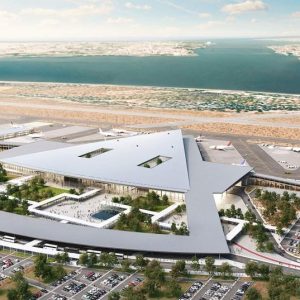
Huizhou airport is set to build a second runway to cope with growing passenger and cargo demand, which has surged since 2015
Huizhou airport to boost annual capacity to over 10 million passengers
Article by:
PUBLISHED:
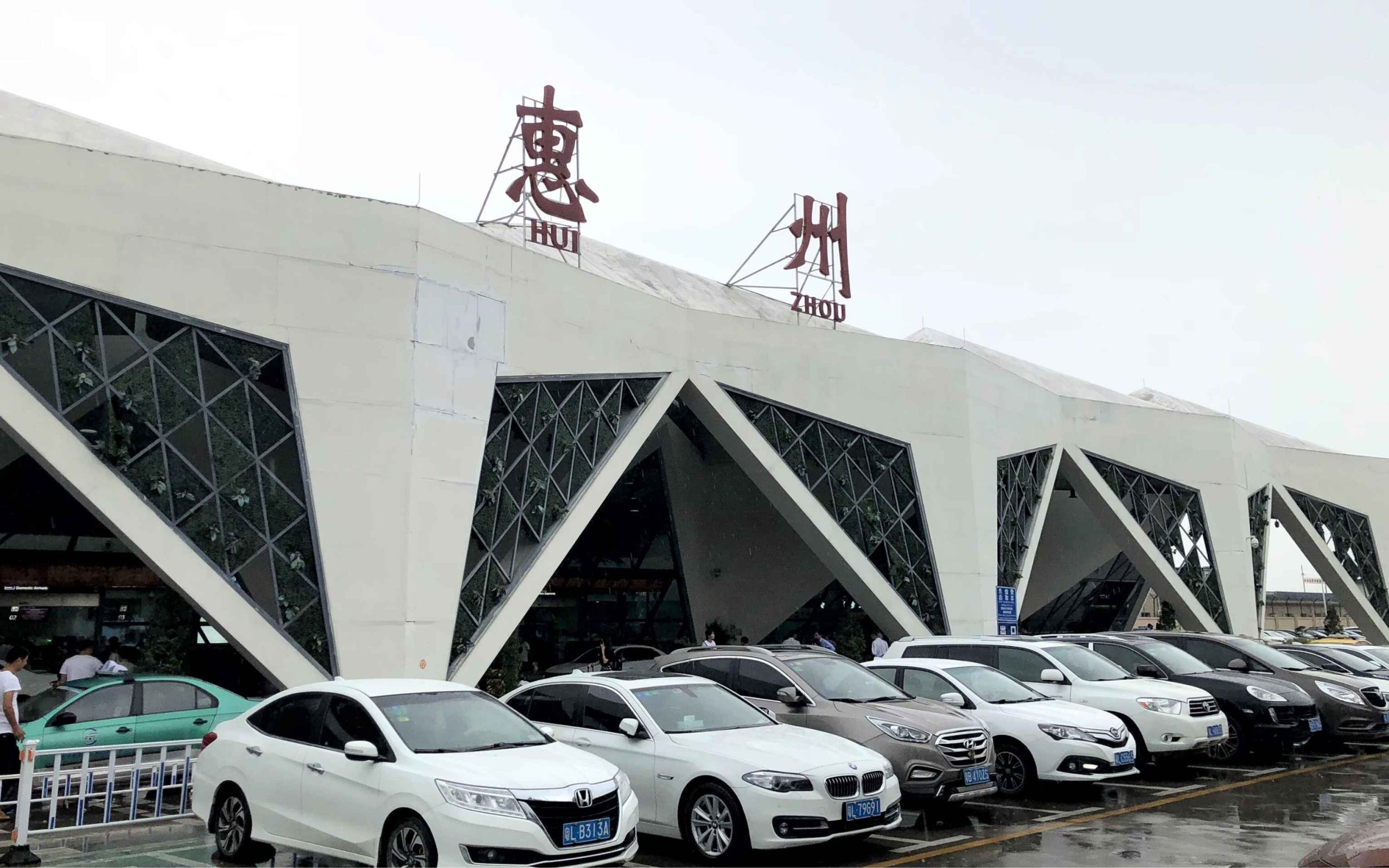
Huizhou Pingtan Airport is set to upgrade its annual passenger capacity from several million to upwards of ten million under a second phase expansion plan endorsed by the Chinese central authorities.
According to the Huizhou Fabu (惠州发布), the Huizhou government’s media wing, Beijing has included the Huizhou airport expansion project as part of its newly released 15th five-year plan for the civil aviation industry, which sets national development goals between 2026 and 2030.
Preliminary work has already begun to transform Huizhou airport, with the authorities planning to build a second runway on the southern side of the pre-existing runway. Once the expansion work is complete, the airport will be able to serve millions more passengers each year.
Why does the Huizhou airport need upgrading?
Originally built in 1956, the Huizhou airport is a dual-use military and civil aviation facility. The airport underwent reconstruction in 2014 before reopening in 2015. In 2018, a first phase expansion took place, culminating in the inauguration of a second terminal in 2019.
In the years since the reconstruction and expansion, the airport has recorded significant growth in passenger and cargo levels, with passenger volumes increasing by an annual average of around 25 percent since 2015.
Data cited by 21st Century Business Herald indicates that in the course of a decade, the passenger volume grew from around 370,000 to 3.36 million in 2025, with 11,700 tonnes of cargo handled that same year.
With passenger numbers expanding rapidly, the facility’s sole runway has reached a breaking point in terms of capacity.
[See more: China sets new course for civil aviation sector]
Businesses are also expected to benefit from the upgrade. According to Huizhou Fabu, in recent years, the airport has been helping to meet the region’s logistic needs, in addition to providing air cargo support to the local manufacturing and cross-border e-commerce sectors, and allowing the cargo and mail industry to continue growing at a steady pace.
A representative with Huizhou firm, Victory Giant Technology, told Huizhou Fabu that the second phase expansion would be a massive gain for the local manufacturing industry. The interviewee explained that there was a strong demand for cross-border business travel, and for Victory Giant Technology to deliver samples of its high-end Printed Circuit Board (PCB) products overseas via air freight.
They added that increasing Huizhou airport’s capacity to the 10 million mark would further improve the aviation infrastructure to the east of the Greater Bay Area (GBA) and reduce the time and communication costs of business travel and cross-border logistics.
Where does the Greater Bay Area come into this?
Expansion of the Huizhou airport will further accelerate connectivity across the GBA. Within a 1.5 hour travel radius, the airport covers major areas such as Huizhou, Shanwei, Heyuan, eastern Shenzhen and eastern Dongguan, serving a population of over 20 million people.
Meanwhile, the Huizhou authorities are planning to further expand the capacity of the Guangzhou-Huizhou Expressway, as well as build a Huizhou Airport Expressway, along with other highways surrounding the airport, which will further grow the airport’s capacity.
Jinan University professor and founding president of the South China Urban Research Association, Hu Gang, was quoted by 21st Century Business Herald as saying that enlarging Huizhou airport would allow Huizhou to reap spillover benefits from neighbouring Shenzhen, further boosting the development of its coastal tourism and airport economy.