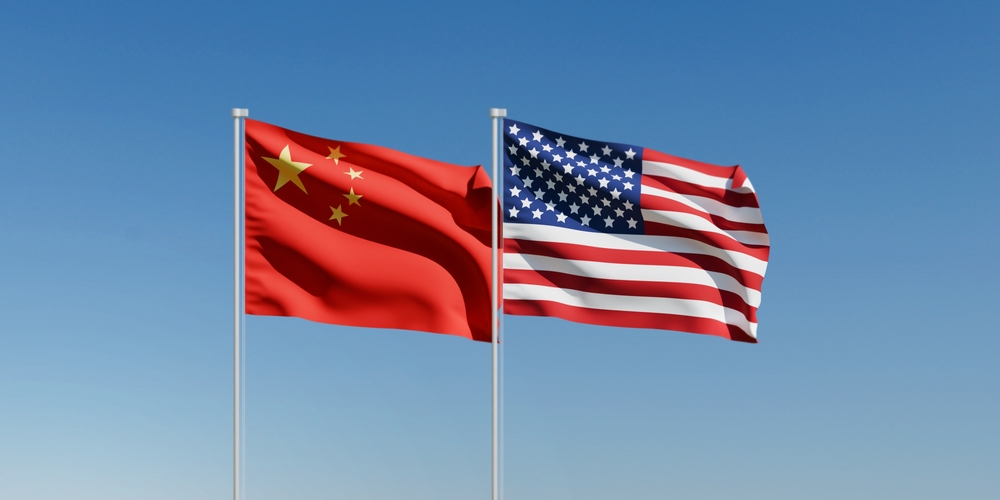
The Russian leader’s visit, scheduled for 19 to 20 May, comes just days after President Xi Jinping hosted his high-profile summit with US President Donald Trump

Article by:
PUBLISHED:
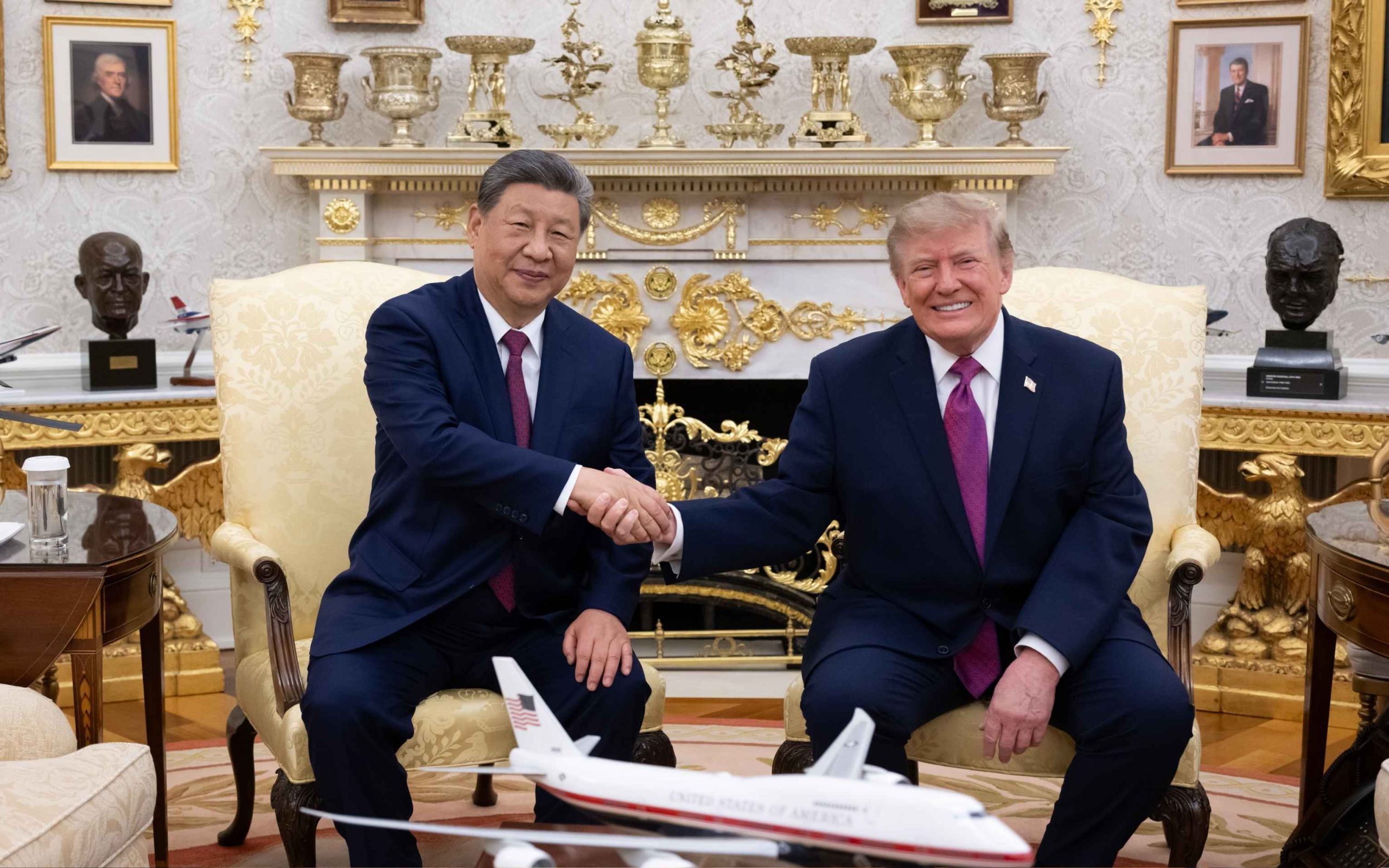
Russian President Vladimir Putin will travel to Beijing this week for talks with Chinese President Xi Jinping, according to a statement from the Ministry of Foreign Affairs. The Russian leader will be in China from 19 to 20 May at Xi’s invitation, just days after the Chinese leader wrapped up a high‑profile summit with US President Donald Trump in the capital.
According to a statement from Moscow, the trip is timed to coincide with the 25th anniversary of the Sino-Russian Treaty of Friendship, a 2001 pact widely seen as the legal foundation of the two countries’ “comprehensive strategic partnership.”
Officials say the Beijing talks will focus on three broad themes: deepening political and security coordination, expanding trade and energy links, and aligning positions on key international issues.
Putin and Xi are expected to review the wars in Ukraine and the Middle East, discuss efforts to settle more bilateral trade in rubles and yuan, and assess progress on major energy projects such as gas pipelines and long‑term oil supply deals.
[See more: Xi-Trump summit seals tactical trade truce, but no big reset]
The Kremlin has flagged that the visit should produce a joint political declaration “at the highest level” and “a number of intergovernmental and inter‑departmental agreements,” although it has not yet detailed what those might cover.
Putin is also scheduled to meet Premier Li Qiang to discuss economic and trade cooperation, including industrial and high‑tech collaborations and Russian participation in Chinese‑backed infrastructure and investment initiatives.
Chinese state media have so far kept coverage low‑key, describing the trip as part of routine high‑level exchanges but emphasising that Beijing and Moscow see their relationship as a “stabilising factor” amid global turmoil.
Analysts quoted by the South China Morning Post say the visit is unlikely to feature the elaborate pageantry that greeted Trump, but its timing – with China hosting leaders of both nuclear powers in the same month on bilateral terms – is being read as a signal that Beijing aims to position itself as a pivotal, balancing force between rival camps.