Beijing talks end with signals on Boeing jets, Hormuz and trade – enough for both leaders to claim “wins” but leaving deeper tensions untouched

Article by:
PUBLISHED:
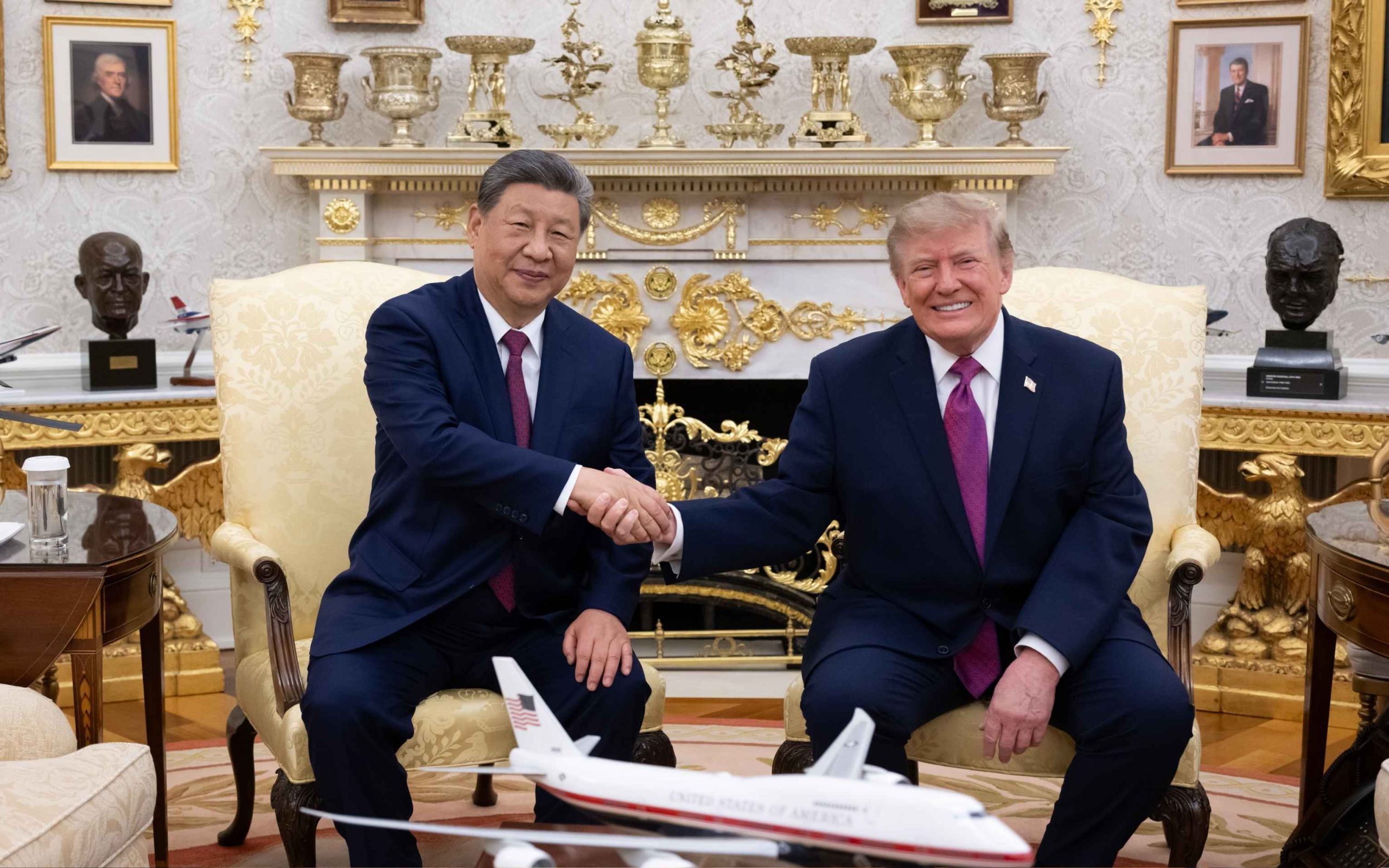
US President Donald Trump has wrapped up his state visit to Beijing claiming “fantastic trade deals” with China, but the outcome looks more like a tactical economic truce than a sweeping reset of US‑China relations.
Speaking at Zhongnanhai on Friday after a second day of talks with President Xi Jinping, Trump said the visit had been “incredible” and that the two sides had reached agreements “great for both countries.”
He highlighted prospective Chinese purchases of up to 200 Boeing aircraft, larger imports of US farm goods and the prospect of American oil shipments to China as headline gains. Washington’s trade representative Jamieson Greer told reporters the US expected “double‑digit billions” of dollars in additional Chinese agricultural purchases annually over the next three years.
Chinese officials have been more cautious in their public statements. According to Hong Kong public broadcaster RTHK and national media summaries, Beijing described the talks as “candid and constructive,” stressing mutual commitments to keep the Strait of Hormuz open, deepen cooperation against fentanyl and maintain dialogue on trade and technology.
[See more: No clear winner as Trump-Xi summit enters second day]
However, they stopped short of confirming specific Boeing order numbers or detailed commodity volumes, saying only that China would “appropriately expand” imports of US agricultural and energy products in line with market conditions.
No joint communiqué or formal trade agreement was issued. Existing US tariffs on a wide range of Chinese goods remain in place, as do many of China’s own measures, although both sides reiterated their October understanding not to escalate duties further for now. Plans floated by US Treasury Secretary Scott Bessent to create a bilateral “board of trade” and “board of investment” to manage commerce in non‑strategic sectors were endorsed in principle but left to working groups to flesh out.
Economists and market analysts say the summit outcome broadly matches expectations: concrete enough for both leaders to claim success at home, but limited on the structural disputes that have strained ties for years.
For the US, prospective orders for jets, soybeans and other farm goods, plus a public Chinese signal that it is weighing US oil imports to reduce exposure to Middle East shipping risks, provide short‑term wins. For China, the meeting locked in a pause on new tariffs and showcased Xi as an equal leader on the world stage, without major concessions on industrial policy or technology controls.