Flight CX257 lost contact with Romanian air traffic control on 4 July, prompting Hungarian jets to scramble under NATO protocol
Hong Kong orders Cathay review after NATO intercept
Article by:
PUBLISHED:
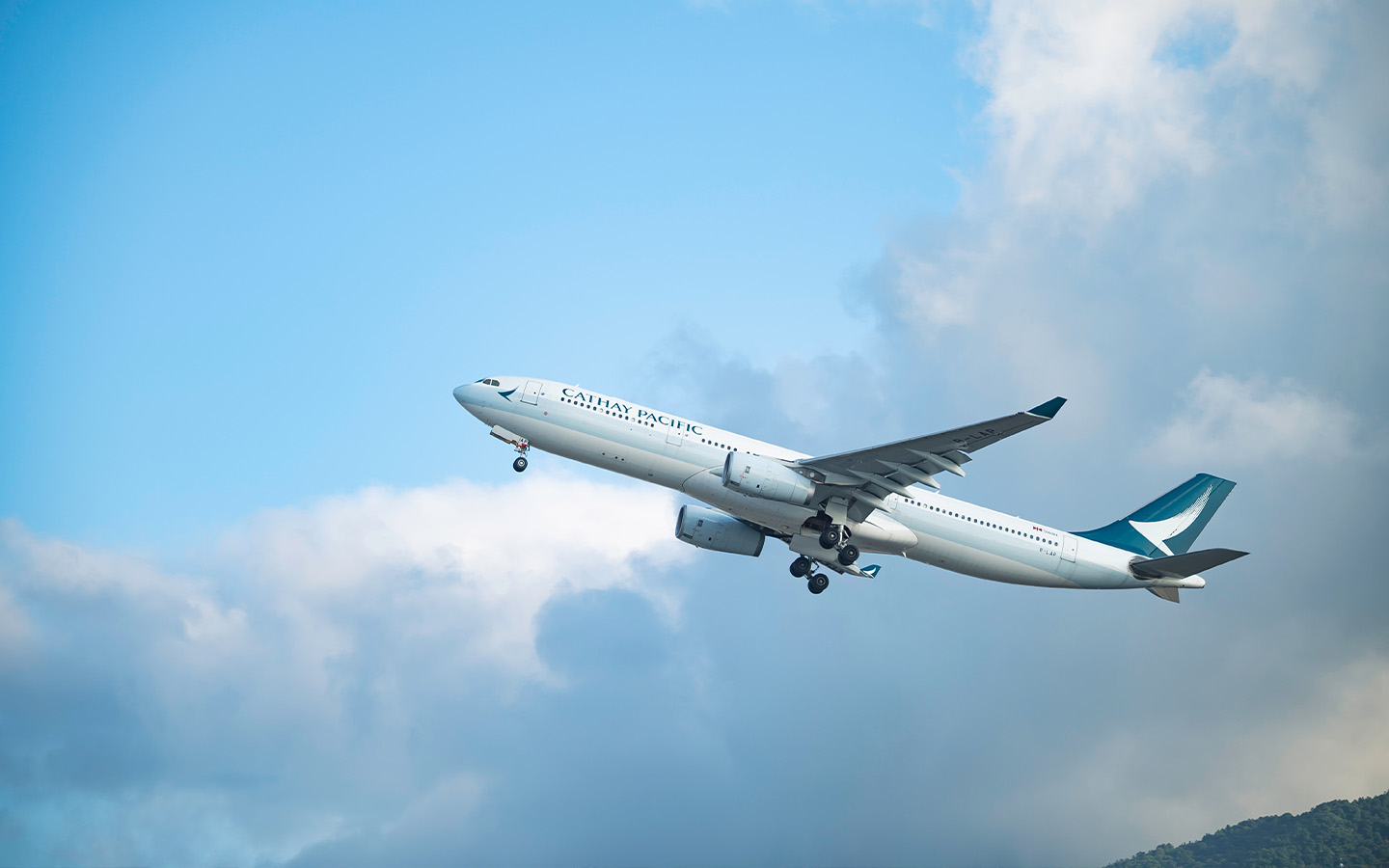
Hong Kong’s Civil Aviation Department (CAD) has ordered Cathay Pacific to carry out a full review after one of its flights briefly lost contact with air traffic control over Romania on 4 July, triggering a NATO fighter jet response.
The CAD said flight CX257, an Airbus A350 travelling from Hong Kong to London Heathrow, temporarily lost communication with the local air traffic control unit during the journey. It called the incident a matter of serious concern.
[See more: Cathay Pacific’s Dubai and Riyadh flights to return from September]
The department has instructed Cathay to submit a full investigation report within one week, covering the aircraft’s operational condition, its communication equipment settings, and its communication with the local air traffic control unit. Cathay is already carrying out that review, including meeting with the crew involved, and the CAD said it will follow up with the airline once the report comes in.
Preliminary information indicates the flight adhered to its authorised routing throughout the journey and arrived safely at its destination, according to the CAD.
How the intercept unfolded
The incident stemmed from Hungary’s response under NATO protocol. Hungary’s defence minister said in a social media post that an alert was triggered at 1:42 pm on 4 July after the aircraft, then in Romanian airspace, failed to establish contact with Romanian civil air traffic control.
Two Hungarian fighter jets scrambled nine minutes later, made visual contact with the aircraft near the Hungarian border, and returned to base once the aircraft re-established contact with air traffic control. The flight continued to Heathrow and landed on schedule with more than 300 passengers aboard.
[See more: Guangzhou-Singapore flights hit record nine daily in summer 2026]
Cathay has said neither the aircraft nor anyone on board was ever in danger, and that its crew reported the incident immediately.
NATO triggers interceptions of this kind whenever an aircraft loses contact with civilian air traffic control near allied airspace. The manoeuvre lets fighter pilots visually identify the aircraft rather than signal a security threat.
UPDATED: 10 Jul 2026, 4:12 pm