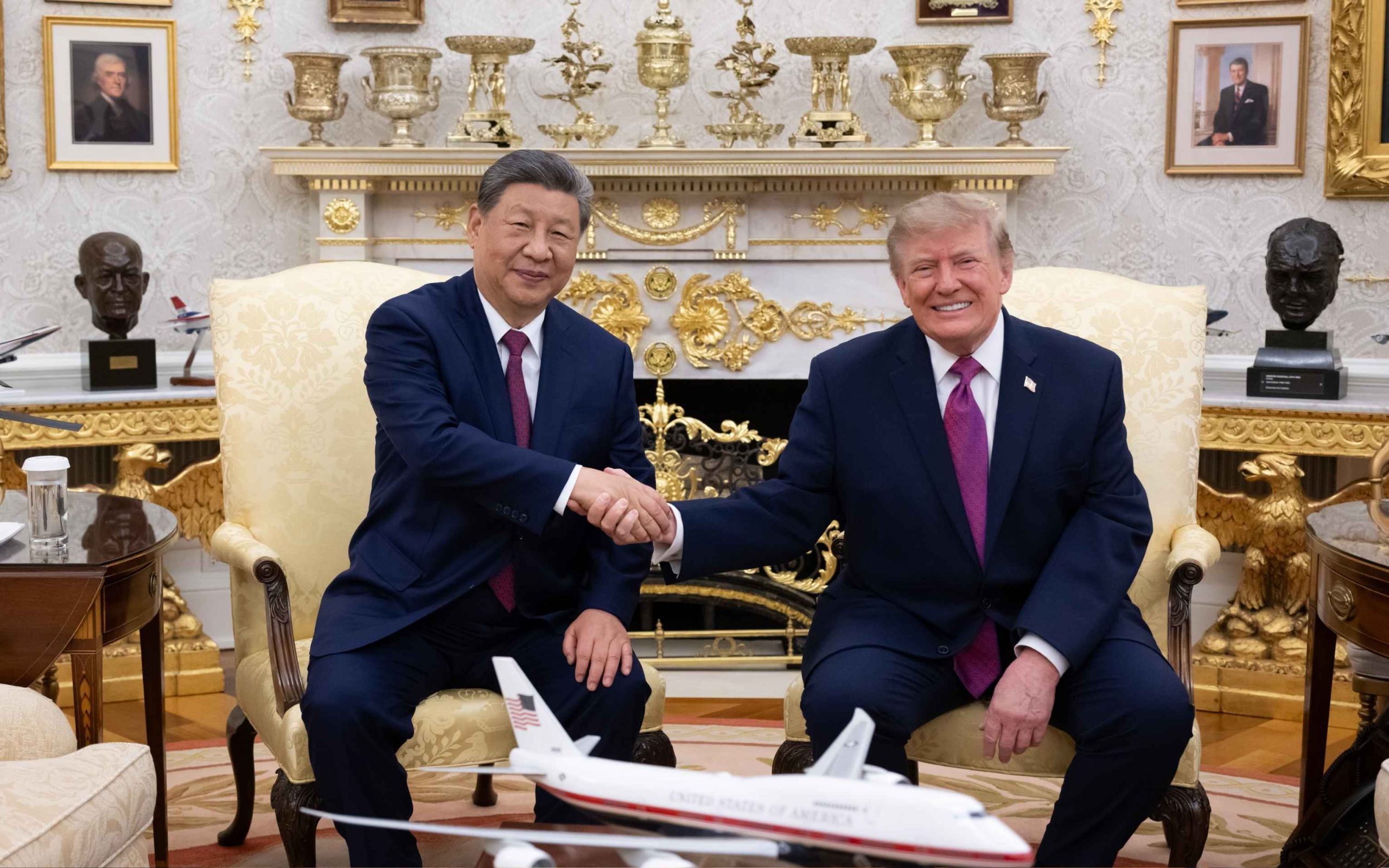
In a striking reversal of international sentiment, China is now viewed more favourably than the United States across the majority of 36 nations surveyed in 2026.

Article by:
PUBLISHED:
Recent data from a survey of over 42,000 adults, conducted by the Pew Research Center between February and May of this year, reveals that the United States is seen more positively than China in only six countries – most notably India, Japan, the Philippines, and South Korea. By contrast, in the Asia-Pacific and Middle Eastern regions, the gap in favourability has widened noticeably in Beijing’s favour as China’s soft power begins to take hold.
The decline in American standing is largely attributed to a sustained erosion of confidence in its government’s commitment to personal freedoms. Across Europe and Latin America, the public’s perception that the US respects the civil liberties of its citizens has plummeted; for example, in Sweden, the proportion of respondents who believe the US safeguards personal freedoms has fallen from 61 per cent in 2021 to just 27 per cent today.
[See more: Lara Trump praises China after Trump state visit, says country is “really cool”]
Leadership ratings have mirrored this trend in China’s soft power, with confidence in President Xi Jinping more widespread. In several European nations, including the United Kingdom, Sweden, and Germany, the Chinese leader holds a double-digit lead in favourability over his American counterpart.
The divergence is particularly pronounced in middle-income nations across Latin America, sub-Saharan Africa, and the Asia-Pacific. Survey respondents in 17 such countries expressed deeper concerns regarding US foreign policy, with a median of 75 per cent stating that the US interferes in the affairs of other nations, compared to 45 per cent for China.
Furthermore, in many of these regions, China is increasingly perceived as a more reliable partner and a contributor to global peace and stability.
Although the US retains higher ratings for its perceived respect for personal freedoms in certain specific markets, such as Israel and Japan, the broader global narrative suggests a narrowing gap, as populations are increasingly persuaded by China’s soft power and look towards Beijing rather than Washington for international cooperation.