Cantonese, Mandarin, English, Portuguese, Hakka, Teochew and Macanese Patuá – unlike the San Francisco or Tokyo Bay Areas, the GBA has no one dominant language
What languages are spoken in China’s Greater Bay Area?
Article by:
PUBLISHED:
Cantonese and Mandarin are the two main languages of China’s Greater Bay Area (GBA). The former is traditionally the dominant tongue in locations such as Guangzhou, Hong Kong, Macao and the western Pearl River Delta region, while the latter serves as the national language in areas such as administration, law and education.
Co-existing alongside the two languages are English in Hong Kong and Portuguese in Macao, which are official languages in their respective Special Administrative Regions (SARs). On top of this, a wide array of spoken Chinese dialects such as Teochew and Hakka can be found across the region’s nine mainland cities and two SARs, alongside Patuá, a critically endangered Macanese creole.
To complicate matters further, a range of different scripts are used in the region, including simplified Chinese, traditional Chinese, written Cantonese and the Latin alphabet of English and Portuguese.
All this is not to suggest that the GBA’s linguistic diversity is a liability. On the contrary, it is a testament to the region’s richness, flexibility and adaptiveness, which are well reflected in other areas such as business, technology and history. Here are some of the GBA’s most notable languages.
Note: Speaker numbers, scripts and endangerment status in summary boxes are from Google Research’s Language Explorer, while language families are from Ethnologue.
Where is Cantonese spoken in the GBA?
- Language family: Sino-Tibetan (Yue Chinese)
- Speaker population: About 79 million (global estimate)
- GBA geographic distribution: Spoken throughout the region
- Script: Simplified Chinese (Mainland China), Traditional Chinese (Hong Kong, Macao)
- Endangerment status: Not endangered
Cantonese is one of the most widely spoken Chinese dialects in the GBA, with various Cantonese sub-dialects found throughout the region. The Guangfu dialect group (廣府片, commonly referred to as Standard Cantonese) is the dominant prestige variety and is spoken in places such as Guangzhou, Macao and Hong Kong. Other Cantonese varieties in the region include Xiangshan sub-dialect (香山片), which is spoken in areas such as Zhongshan and Zhuhai; Guanbao sub-dialect (莞寶片), which is distributed around Dongguan and what is now Shenzhen’s Bao’an district, and Siyi sub-dialect (四邑片), which is commonly found in the area around Jiangmen.
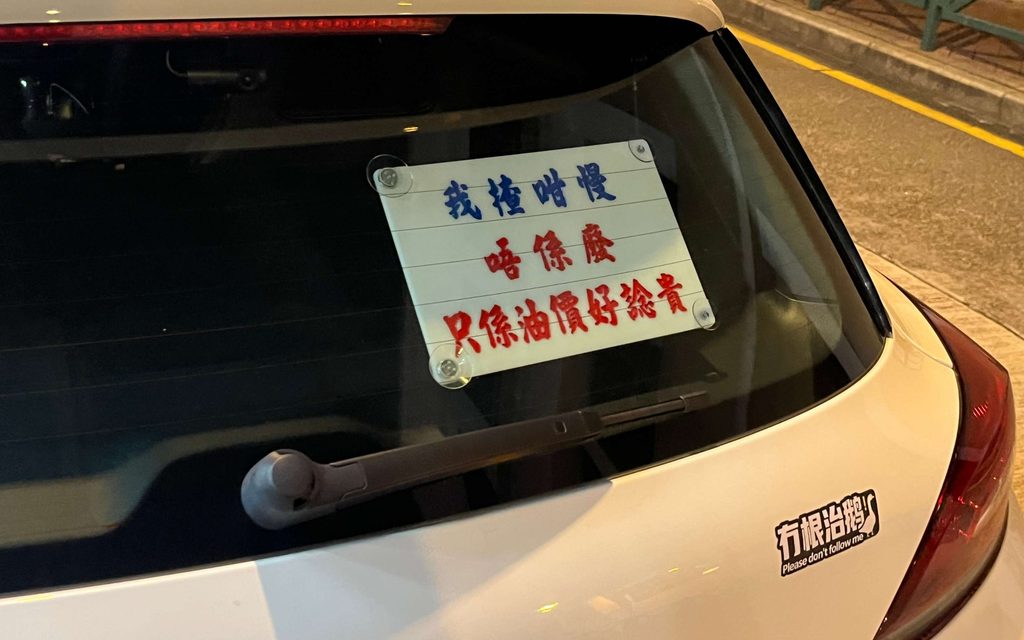
Mutual intelligibility between the various Cantonese dialects can vary significantly, ranging from intelligible to incomprehensible. According to Roy Yu (尤盛), a Chinese language lecturer at the University of Hong Kong’s School of Chinese, phonological differences between the dialects are often related to tones, as well as the beginning sounds (initials) and final sounds (finals).
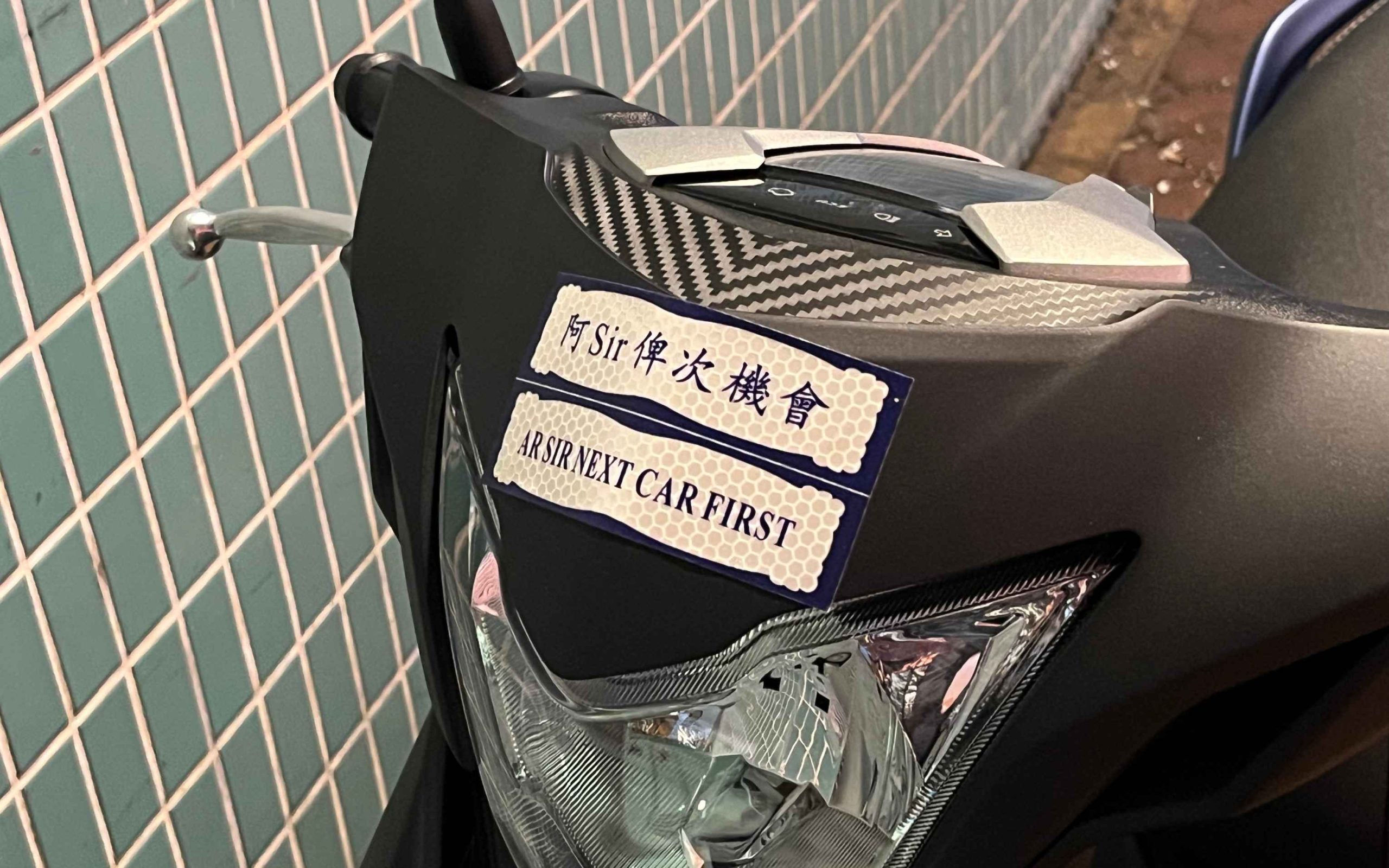
At the same time, there are also differences between the vocabulary used in the Cantonese spoken in the mainland, Hong Kong and Macao. Owing to Hong Kong’s British influence, Hong Kong Cantonese has a large number of transliterated words such as bus (巴士, ba si), strawberry (士多啤梨, si do be lei) and taxi (的士 dik si). By contrast, Guangzhou Cantonese uses the official Mandarin version of these words – 公交车 (gung gaau ce), 草莓 (cou mui) and 计程车 (gai cing ce), although the latter has been replaced by dik si due to influence from Hong Kong media.
[See more: What is China’s Greater Bay Area (GBA)? A simple guide]
When talking about Cantonese, the argument is sometimes made that the language preserves more elements of Ancient Chinese than Mandarin, with which it shares a common ancestor. Yu acknowledges that there are certain phonological features of Middle Chinese that are present in Cantonese, but absent in Mandarin, including the entering or checked tone that ends in sounds such as -p, -t and -k. As a result, the linguist says Cantonese is arguably better for the reading of Ancient Chinese poems.
However, Yu points out that Mandarin preserves certain Middle Chinese sounds better than Cantonese, with one example being the sibilant sounds. Whereas Cantonese only has one set (z, c, s), Mandarin has three sets (z, c, s/zh, ch, sh/j, q, x).
Having said that, Cantonese still manages to retain a larger amount of Ancient Chinese vocabulary due to its longer history and historic development.
“Northern China was constantly in contact with foreign tribes from the north, so there is a great deal of new vocabulary in Mandarin,” Yu says.
Why is Mandarin spreading in Shenzhen and Dongguan?
- Language family: Sino-Tibetan (Mandarin Chinese)
- Speaker population: Nearly 1.3 billion (global estimate)
- GBA geographic distribution: Spoken throughout the region
- Script: Simplified Chinese (Mainland China), Traditional Chinese (Hong Kong, Macao)
- Endangerment status: Not endangered
As a northern Chinese language, Mandarin or Standard Chinese was not historically spoken in Guangdong and other parts of southern China. For Guangdong locals living in the Ming Dynasty (1368-1644) and Qing Dynasty (1644-1912), Mandarin was very much a shared language used by officials who spoke mutually unintelligible Chinese dialects.
In 1912, the Republic of China designated Mandarin as the national language, setting in motion a process of standardisation and popularisation of the language that would continue when the People’s Republic of China (PRC) took power in 1949.
According to Yu, Mandarin’s status in the GBA can be divided into a ‘before’ and ‘after’ period. Before the Chinese government’s campaign (also known as “tuipu” 推普 in Chinese) to promote Standard Chinese, Chinese dialects held the dominant position in the region. However, Mandarin began to take on greater significance after the authorities doubled down on the nationwide use of Mandarin to enhance national unity and communication.
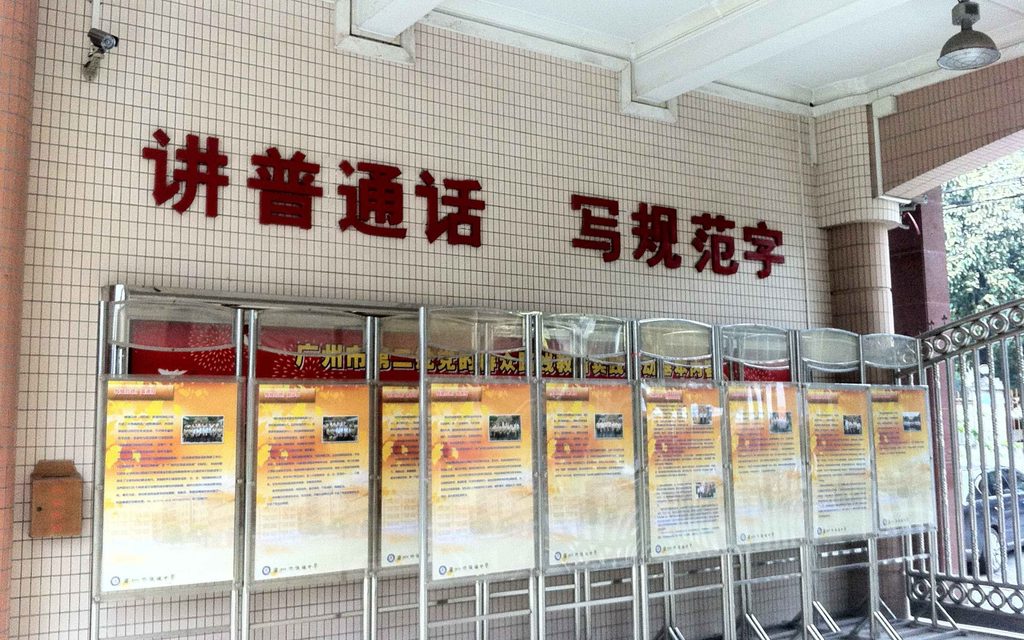
“We can see with the younger generation of Chinese that they are slowly using Mandarin the most,” Yu notes, adding that education plays a role, along with the conscious decision of families to encourage their children to speak Mandarin over dialects due to its economic benefits.
Says Yu: “The use of the standard language has grown stronger and stronger to the extent that some Guangzhou natives, including my students, cannot speak Cantonese.”
[See more: How China’s Greater Bay Area cities fit together: Who does what?]
By contrast, the use of Chinese dialects in the SARs remain robust on a societal level, even though Yu states that people are gradually recognising the need to learn the national language following the return of the two cities’ jurisdiction to the PRC at the turn of the millennium. The academic notes that the popularity of dialects is a legacy from Hong Kong and Macao’s British and Portuguese administrators, who gave them free rein to develop naturally within the community.
As spoken today, Standard Chinese is largely based on the Mandarin dialects spoken around Beijing and northern China. Still, the Mandarin spoken in the GBA exhibits various unique traits. For instance, Yu mentions that Cantonese speakers of Mandarin often face difficulty pronouncing tongue-rolling sounds such as zh, ch, sh and r, although this is becoming less of a problem for the younger generation.
Are Chinese dialects in the GBA actual languages?
- Language family: Sino-Tibetan (various branches)
- Speaker population: Varies
- GBA geographic distribution: Across the region
- Script: Simplified and traditional Chinese
- Endangerment status: Varies
Linguist Max Weinreich famously popularised the saying “a language is a dialect with an army and a navy” to highlight the role that political and military backing can play in determining which speech variety is recognised as the official language of a country. From a linguistic standpoint, Yu says there is no distinction between Chinese languages and dialects, as Chinese dialects possess the three components that constitute a spoken language – grammar, vocabulary and phonology.
A distinction is made between the two in dialectology in order to draw attention to the fact that there are variations in the language of a particular region. Taking the example of Cantonese, Yu points out that Cantonese is “a dialect” because it is a Guangdong regional variation of Chinese, rather than because it lacks certain features of a language.
In the GBA, the Cantonese group of dialects dominate, with a large number of them being mutually intelligible. However, the same cannot be said for non-Cantonese dialects in the GBA such as Teochew and Hakka Chinese, which come from different branches of Sinitic languages and use substantially different phonology, vocabulary, and, to a lesser extent, grammar.
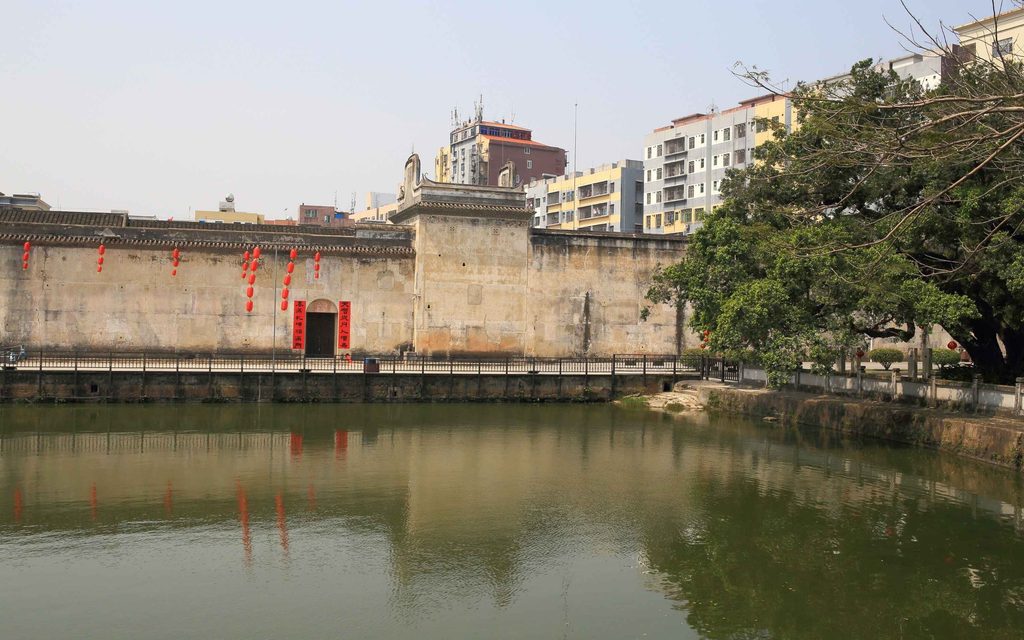
On the reasons behind the development of so many dialects in the region, Yu explains that these speech varieties emerged from many waves of migration that occurred throughout Chinese history.
“The northern part of China was frequently at war for long periods of time,” says Yu. “As a result, people migrated to the south in waves, settling in various regions during different historical periods, which led to the emergence of many different dialects that blended with local languages.”
[See more: Hengqin at 5: A policy project or a genuine second home?]
Although plenty of dialects exist in the GBA, some of the smaller varieties are in danger of extinction. There are various reasons for this, with Yu pointing out that families may choose to prioritise the use of more influential varieties like Mandarin among the younger generation, while a minority dialect speaker may choose not to speak their dialect due to fear of being ridiculed.
Meanwhile, waves of migration to other GBA cities such as Shenzhen and Dongguan have also led to Mandarin supplanting dialects. As an example, Yu mentions that areas in Dongguan where the Dongguan dialect of Cantonese was once spoken have become largely Mandarin-speaking, as large waves of people from other provinces migrated to the area to work in the factories.
How widely is English spoken in Hong Kong?
- Language family: Indo-European (Germanic language branch)
- Speaker population: Around 1.27 billion (global estimate)
- GBA geographic distribution: Common in major cities such as Hong Kong and Macao, as well as certain demographics and sectors such as tourism and business
- Script: Latin alphabet
- Endangerment status: Not endangered
Often considered to be the world’s de facto lingua franca, English is one of the most important foreign languages present in the GBA. The region’s first exposure to the language dates back to the early days of contact between China and England in the 17th century, which was largely concentrated around trade, missionary work and diplomacy.
English’s influence in Guangdong would gradually expand in subsequent years, especially after Western powers forced China to open up Guangzhou and other locations to foreign access in the 19th century, and Britain’s colonisation of Hong Kong from 1841.
With the establishment of the PRC in 1949, Russian replaced English as the main foreign language taught in mainland Chinese schools. English, however, reclaimed dominance when China opened up its economy to the world in the late 20th century, becoming an important tool for China to communicate with the outside world in trade, tourism, and business.
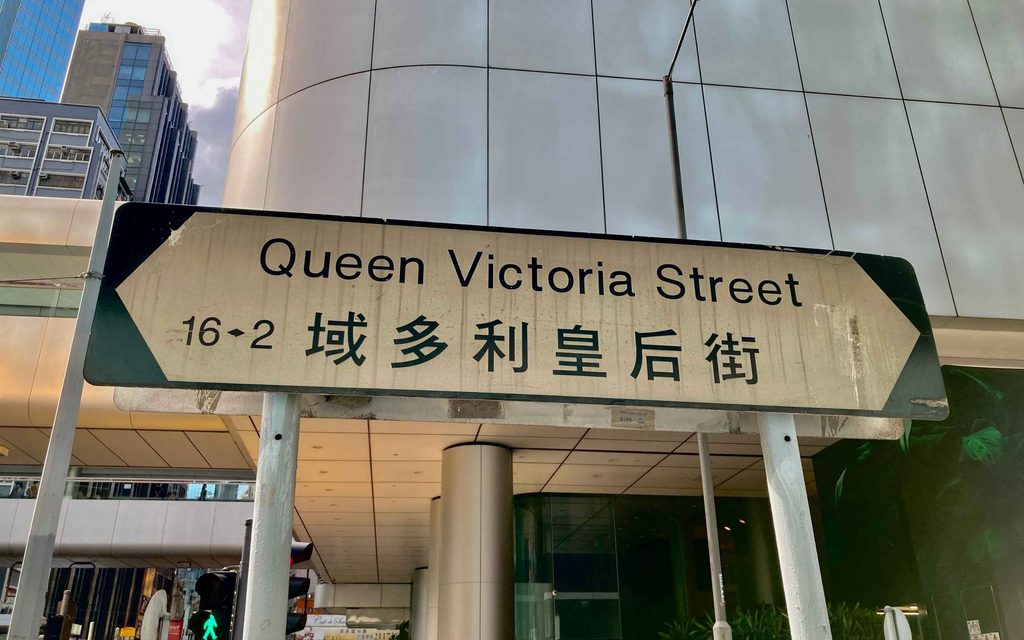
Given its history as a former British colony, Hong Kong unsurprisingly has the highest average English language proficiency out of the major GBA cities, with its 2025 EF English Proficiency Index score of 538 points (moderate proficiency) surpassing that of Guangzhou (498), Shenzhen (498) and Macao (478).
[See more: Moving to the mainland cities of China’s Greater Bay Area: An expatriate guide]
Still, English is not the most commonplace language in Hong Kong, even though it is the sole GBA city to have it as an official language. Only 58.7 percent of Hong Kongers aged 5 and over reported being able to speak English in the 2021 census. Meanwhile, just 4.6 percent said that English was their usual spoken language.
Interestingly, Lau Chaak Ming (劉擇明), an assistant professor of linguistics at the Education University of Hong Kong, points out that English use in Hong Kong has jumped since the PRC resumed the exercise of sovereignty over Hong Kong in 1997.
“Before 1997, under British rule, the English level of Hong Kong residents was in fact very poor,” Lau says. “After 1997 – but not solely because of the 1997 handover of course, but also because of globalisation and internationalisation, changes in teaching methods and so on – we’ve seen the population able to use English double in comparison to the 1990s,” when 31.6 percent of Hong Kong’s population reported being able to speak English in the 1991 census.
Pinning down the characteristics of “Hong Kong English” is also far from straightforward. Lau notes that the term itself is a sweeping label that could refer to different kinds of Englishes in Hong Kong, including the language as used by groups of highly proficient speakers or a less standardised version spoken by local students who have not learnt it well.
Is Portuguese still used in Macao?
- Language family: Indo-European (Romance language branch)
- Speaker population: About 226 million (global estimate)
- GBA geographic distribution: Mainly in Macao
- Script: Latin alphabet
- Endangerment status: Not endangered
The development of the Portuguese language in the GBA is deeply tied to Macao, which the Ming dynasty originally leased to the Portuguese as a permanent trading settlement in the 16th century. Portugal would end up administering Macao for over 400 years, although the Portuguese language itself would make very little inroads in the city, where only 2.3 percent (15,137 people) of residents said they could speak it, according to the 2021 census.
Roberval Teixeira e Silva, an assistant professor at the University of Macau’s Department of Portuguese, describes the usefulness of Portuguese in Macao as “paradoxical.”
“On the one hand, it’s an official language [alongside Chinese] and carries weight in the legal and administrative systems,” he says. “On the other hand, it’s rarely spoken in daily life – Cantonese, Mandarin and English are far more present.”
He describes Portuguese in Macao as a “niche language with very specific functions” as opposed to being a “dead language.” In the SAR, it is still used by various groups such as the Macanese community, civil servants and legal professionals, teachers, researchers and students attending schools where Portuguese is taught, Lusophone immigrants and a growing number of mainland Chinese and Macao residents who are choosing to learn Portuguese, primarily for their work or schooling.
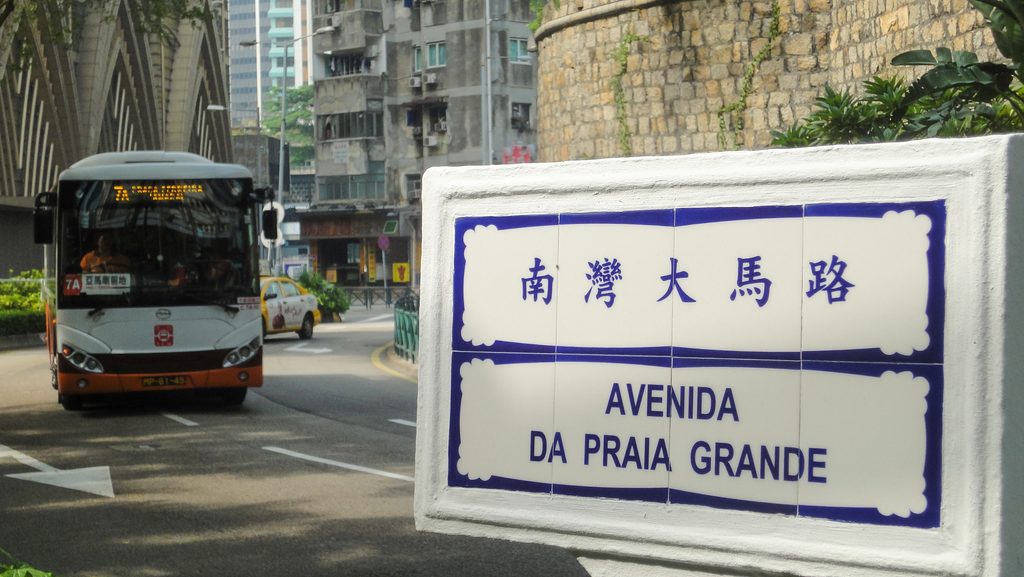
On the question of whether there is a distinct Macao variety of Portuguese, Teixeira e Silva points to the existence of one, although he says it is far from “a fixed standard,” as it emerged from the interactions of various groups such as navigators and missionaries, as well as an assortment of languages.
Still, there are identifiable traits in the Portuguese spoken by individuals who grew up with the language in Macao.
“The final ‘r’ in infinitives tends to be dropped or pronounced more softly, so that words such as falar (to speak) sound like falá,” Teixeira e Silva notes, adding that “there is a very distinctive prosody, with a rhythm and intonation that resemble Cantonese.”
Grammar-wise, there are certain features such as a lack of number agreement, with Macao speakers more inclined to say “vestido brancos” rather than “vestidos brancos” (white dresses).
[See more: These are the most useful Greater Bay Area bookmarks, phone numbers and apps]
“In vocabulary, there’s influence from the creole and from Cantonese, with words like nhonha (young lady), chuchumeca (gossip), and sapeca (old coin/money),” says the UM academic. “Anyone used to hearing European or Brazilian Portuguese will quickly notice something different. But these traits will be more or less evident, depending on the level of proficiency.”
What is Macanese Patuá?
- Language family: Portuguese-based creole
- Speaker population: About 50 speakers (2009), but current figure is disputed by Macanese researcher Elisabela Larrea
- GBA geographic distribution: Macao, with a dispersed diaspora
- Script: Latin
- Endangerment status: Critically endangered
Macanese Patuá (also known as Maquista) is a minority language in Macao and the GBA, but it deserves a mention due to its unique background and history, which bridges multiple cultures and tongues.
According to Macanese culture researcher, Elisabela Larrea (黎若嵐), Patuá’s development is intimately tied to the Age of Discovery, which saw the Portuguese setting up trading ports in various coastal regions in Africa and Asia such as Malacca, Goa and Macao during the 15th and 16th centuries. The Portuguese language served as a lingua franca within these different locations, where interactions between the Europeans and non-Europeans gave rise to a simplified “pidgin” language that mixed Portuguese and the local languages.
“Once native speakers began using that pidgin, it naturally became a creole [a fully developed language with native speakers],” Larrea explains. “That creole in Macao is Patuá.”
Early-stage Patuá bore some resemblance to Kristang, another Portuguese-based creole spoken in the former Portuguese enclave of Malacca in modern-day Malaysia. This is unsurprising, as Larrea says a wave of Portuguese descendants and Malay families fled from Malacca to Macao after the Dutch took over the city in 1641, bringing with them Kristang influence.
Missionaries and Portuguese based in Japan also sought refuge in Macao during the 16th and 17th centuries due to religious persecution in Japan, further imbuing Patuá with Japanese elements. As a result, Patuá has Cantonese, Malay, Kristang and Japanese influences, with Portuguese serving as the foundational language.
Examples of Cantonese influence in Patuá can be seen in words such as chau-chau-lau-lau, a borrowing of the Cantonese phrase “caau caau naau naau” (吵吵鬧鬧) to describe a chaotic and raucous situation. The Macanese phrases for grandfather and darling are also prominent examples. The former, avo-gong, is a blend of the Portuguese and Cantonese words for grandfather, while the latter, amor-chai, mixes the Portuguese word for “love” and the Cantonese diminutive suffix “chai” (仔), used to describe cute and small things.
[See more: Twin cities in the making: How can Macao better integrate with Hengqin?]
Linguistically, Patuá is mainly a spoken language rather than a written one. Attempts have been made to standardise its writing system, with one of the most notable figures being the Macanese writer José dos Santos Ferreira (also known as Adé).
“He wrote short stories, poems and poetry, and also song lyrics,” says Larrea. “He developed a consistent way of writing it, and his grammar was consistent too.”
Despite its cultural value, Patuá’s usage in Macao underwent a period of decline during the 20th century, as schools and parents discouraged its use, fearing that its simplified grammar would prevent children from learning standard Portuguese.
By around the time of Macao’s handover to China in 1999, the Macanese community began to recognise the value of safeguarding their culture and language, resulting in preservation efforts such as Patuá theatre.
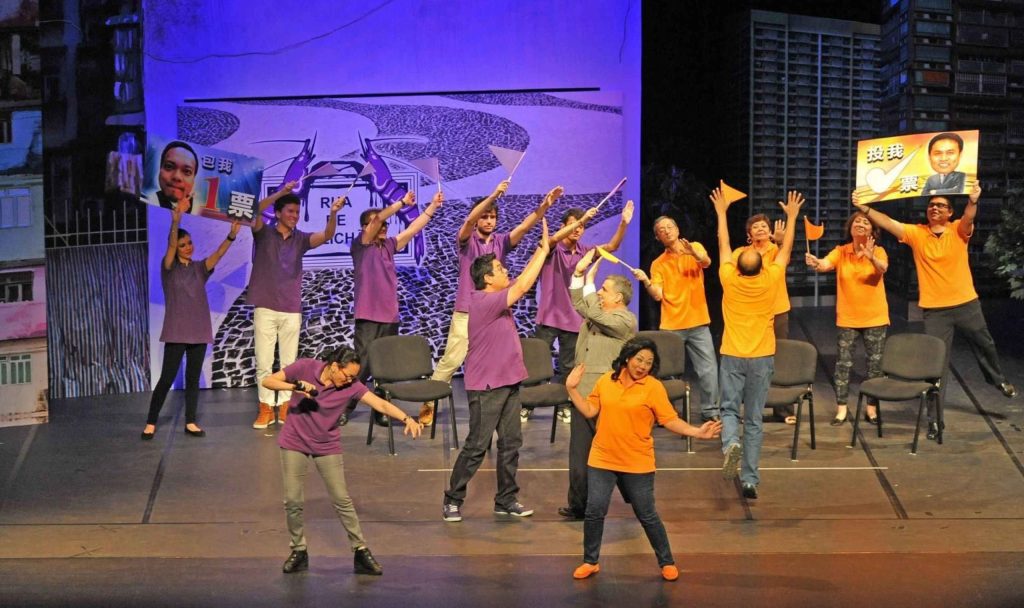
Still, Larrea notes that there are very few fluent Macanese speakers alive, although she is hesitant to put an estimate on the speaker population, as individuals speak the creole at varying levels of fluency.
This includes a new generation of people from Macao and overseas who are studying the language out of interest and are using it on WhatsApp.
On Patuá’s future, Larrea says she is “optimistic in the sense that more and more people will treasure and appreciate Patuá.” However, she also recognises that it is unlikely it will become a language of daily communication again.