From finance to manufacturing, the Greater Bay Area’s cities each play a unique role that contributes to the region’s breakneck development and dynamism
How China’s Greater Bay Area cities fit together: Who does what?
Article by:
PUBLISHED:
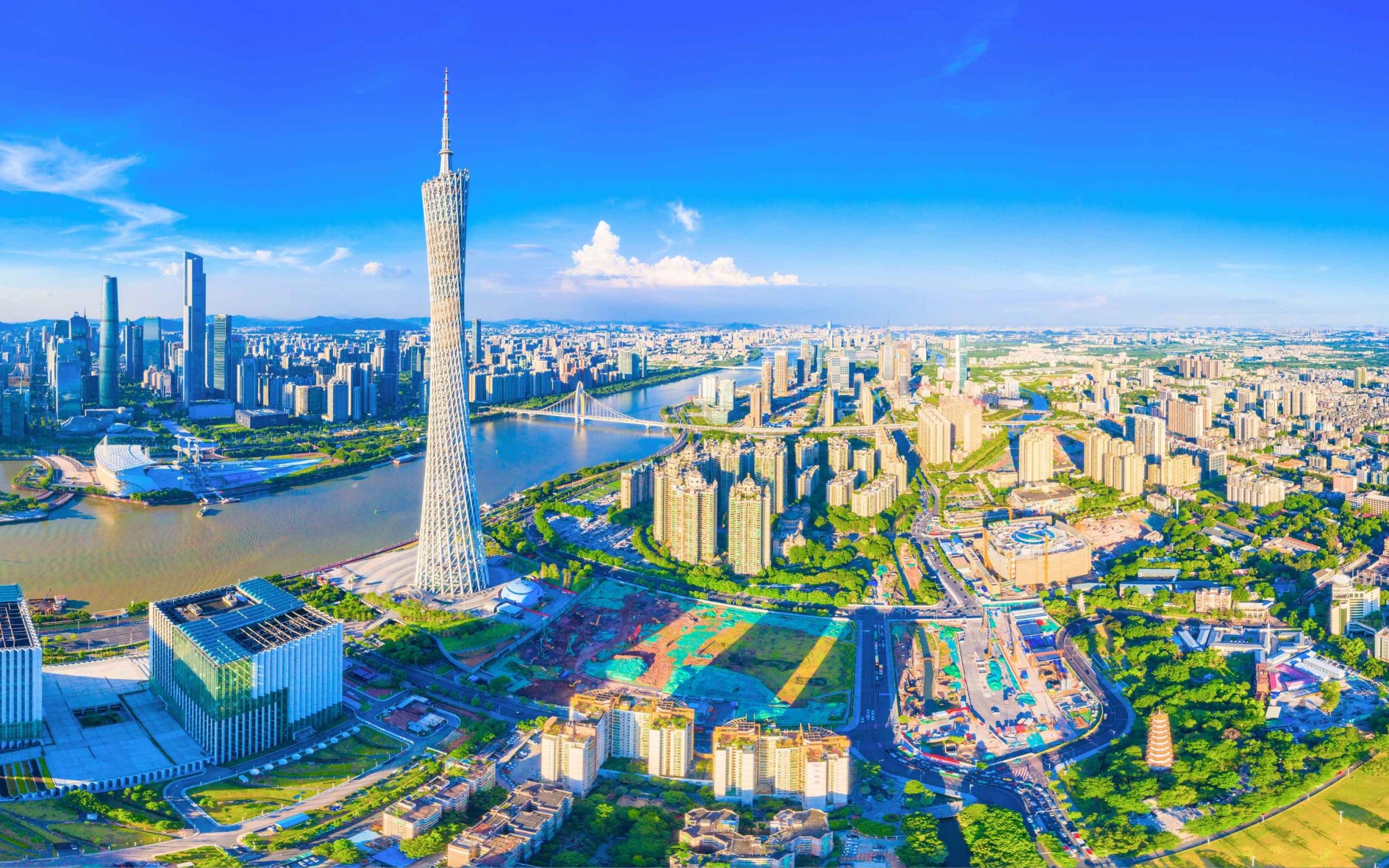
With a population of around 88 million residents and a GDP of over 15 trillion yuan (US$2.21 trillion) in 2025, China’s Greater Bay Area cities comprise one of the fastest growing and most dynamic mega-city regions in the world.
The success of the Greater Bay Area (GBA) stems from its nine mainland cities and two Special Administrative Regions (SARs), which form a tight-knit and resourceful ecosystem driven by key industries such as manufacturing, finance, technology, trade and tourism.
[See more: What is China’s Greater Bay Area (GBA)? A simple guide?]
China’s Greater Bay Area cities are Guangzhou, Shenzhen, Zhuhai, Dongguan, Foshan, Huizhou, Jiangmen, Zhongshan and Zhaoqing, along with the two Special Administrative Regions (SAR) of Hong Kong and Macao.
From Dongguan’s role as a manufacturing centre to Macao’s status as a casino hub and tourism destination, each of China’s Greater Bay Area cities has its own distinctive features and strategic positioning. They also complement and work with each other to create a region that has few rivals in terms of growth, innovation and synergy.
Read on to find out more about each of the cities and the unique role they play in the region.
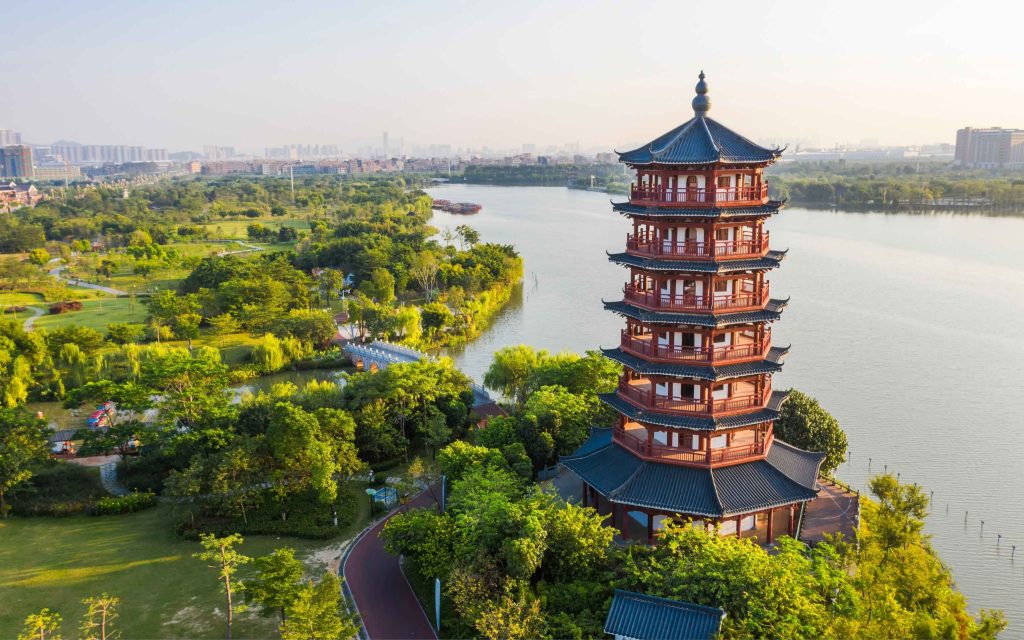
Dongguan: manufacturing
Area: 2,460 square kilometres
Population (2025): Approximately 10.8 million
GDP (2025): Approximately 1.3 trillion yuan (US$191.94 billion)
GDP per capita (2025): Approximately 120,000 yuan (US$17,718)
Trade volume (2025): Approximately 1.4 trillion yuan (US$206.71 billion)
Situated between Guangzhou and Shenzhen, Dongguan has earned the moniker of “the world’s factory” due to the sheer scale of its manufacturing industry. According to the Dongguan government’s 2026 work report, the city was home to around 220,000 industrial enterprises, 152 “national manufacturing single champions,” 32 companies with a value of around 10 billion yuan (US$1.48 billion) and three firms with a value exceeding 100 billion yuan (US$14.8 billion).
In fact, the city’s manufacturing capacity is so great that recent media reports that the city was responsible for producing roughly 85 percent of “trendy toys” in China and a fourth of such products worldwide. Meanwhile, the Dongguan government noted during a press conference in May that one in every five smart phones shipped globally originated from Dongguan.
Dongguan’s key industries include information technology, electrical machinery and equipment manufacturing, as well as the production of clothing, shoes and accessories.
[See more: Greater Bay Area innovation hub hits 69,000 high-tech firms and ten trillion-yuan clusters]
The city’s economy is largely reliant on its secondary (manufacturing) and tertiary (service) industries, which accounted for 56.1 percent (716.5 billion yuan, US$105.79 billion) and 43.6 percent (555.78 billion yuan, US$82.06 billion) of GDP last year respectively. Primary industry played a negligible role, making up only 0.3 percent (3.69 billion yuan, US$544.83 million) of economic output in 2025.
Given its status as a manufacturing hub, it is unsurprising the mainland authorities are looking to pair the city with Shenzhen to create a “globally influential and competitive cluster of world-class, high-end manufacturing industries” along the Pearl River’s east bank. There is little doubt that the city’s special economic districts, including the Songshan Lake Hi-Tech Industrial Development Zone, will play an instrumental role in achieving this goal.
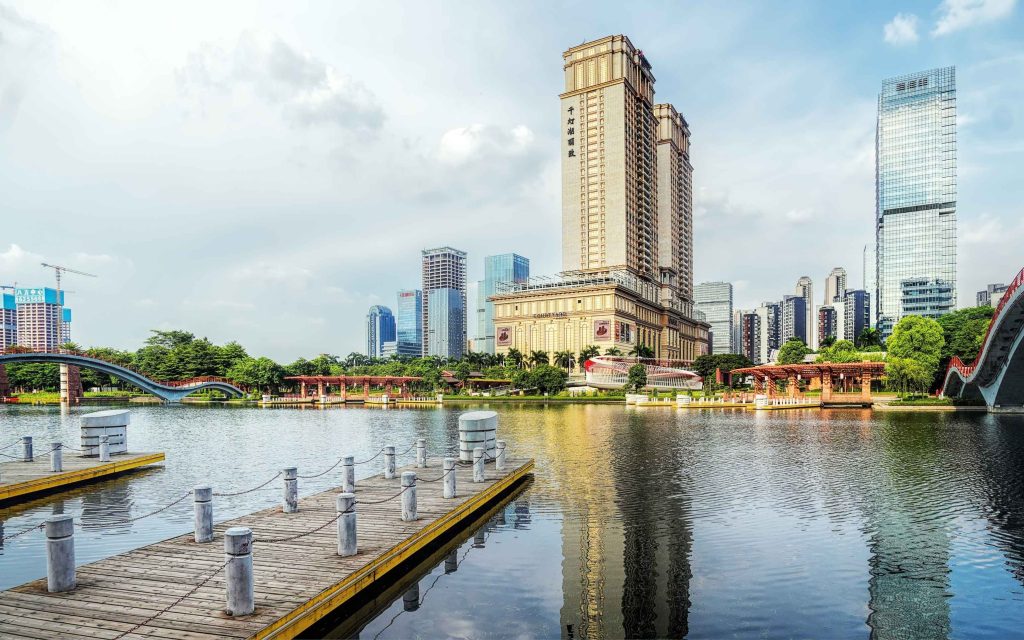
Foshan: culture and furniture
Area: 3,798 square kilometres
Population (2025): Approximately 9.79 million
GDP (2025): Approximately 1.3 trillion (US$191.94 billion)
GDP per capita (2025): Approximately 140,000 yuan (US$20,671)
Trade volume (2025): Approximately 500 billion yuan (US$73.82 billion)
Located roughly 30 kilometres from the provincial capital Guangzhou, Foshan is often overshadowed by its much larger and populous neighbour, resulting in it being labelled “Guangzhou’s little brother.” Despite this, the city is more than capable of holding its own as a cultural and economic hub.
Culturally, Foshan has a rich traditional heritage, which includes Cantonese opera, Southern Lion dancing, as well as the production of ceramic, metal and silk.
Business-wise, the city is a manufacturing giant, with its secondary sector making up 49.55 percent (652.03 billion yuan, US$96.27 billion) of GDP in 2025. The tertiary sector represents the second largest sector, accounting for 48.53 percent (638.57 billion yuan, US$94.28 billion) of economic output. Meanwhile, the primary sector generated 1.9 percent (25.12 billion yuan, US$3.7 billion) of GDP.
[See more: Shenzhen sixth in world for unicorns as Greater Bay Area claims half of China’s top ten]
In manufacturing, Foshan excels in areas such as household appliances, metal products, textiles and garments, machinery and furniture. Customs data cited by CCTV indicates that in the first seven months of 2025, the city exported 10.64 billion yuan (US$1.57 billion) of furniture, up 1.7 percent year-on-year.
A number of emerging industries are also popping up in Foshan, including new energy vehicles, optoelectronics, new medicine, new materials and environmental protection.
Moving forward, the mainland authorities are hoping to leverage Foshan’s manufacturing advantage to develop “an industrial belt for advanced equipment manufacturing on the west bank of the Pearl River.”
To help stimulate foreign investment and tech innovation, Foshan operates a number of development zones such as the Foshan National Hi-tech Industrial, the Nanhai Park of Foshan High-tech Industrial Development Zone and the Shunde Park of Foshan High-tech Industrial Development Zone.
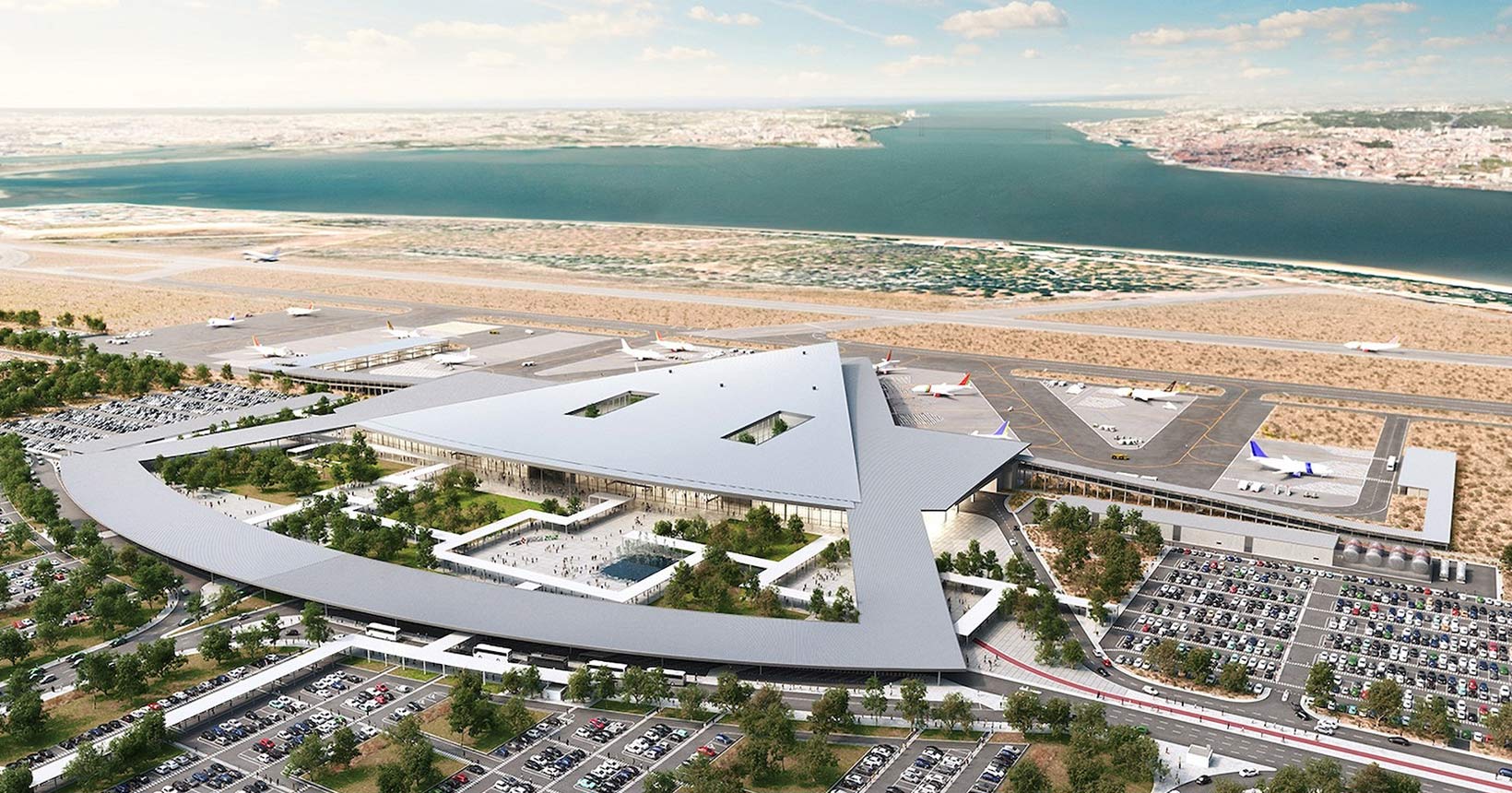
One other particularly exciting development in Foshan is the construction of a new 41.81 billion yuan (US$6.17 billion) airport in the city’s Gaoming district. When completed, the new facility is expected to reduce the load from the major aviation hubs in Guangzhou and Shenzhen, handling 30 million passengers per year.
Guangzhou: provincial capital
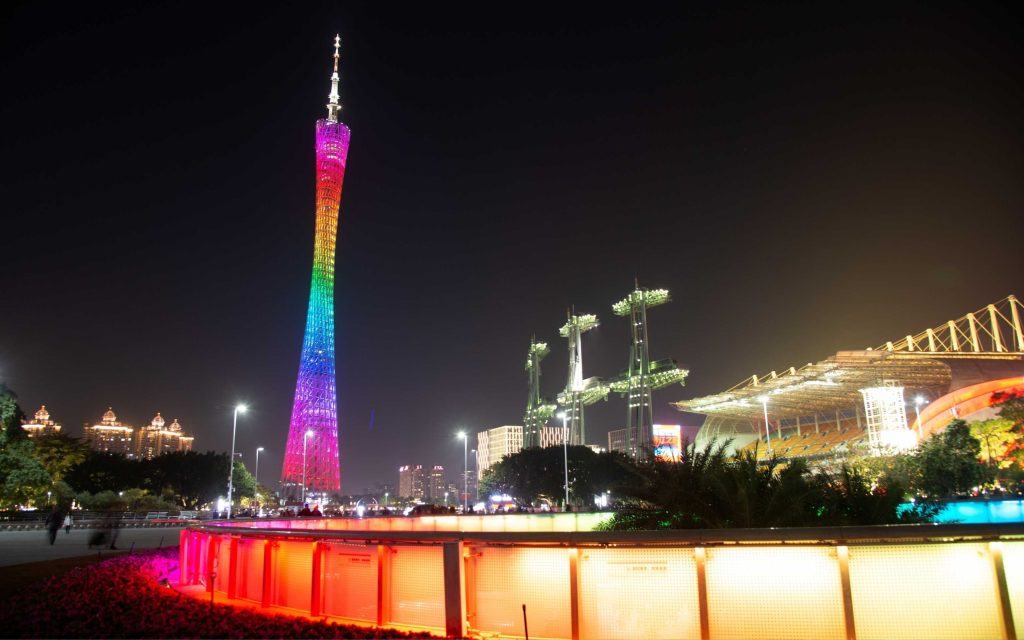
Area: 7,434 square kilometres
Population (2025): Approximately 19.1 million
GDP (2025): Approximately 3.2 trillion yuan (US$473 billion)
GDP per capita (2025): Approximately 170,000 yuan (US$25,124)
Trade volume (2025): Over 1.2 trillion yuan (US$177.37 billion)
Guangzhou is the provincial capital of Guangdong and has long been the political, economic and cultural nerve centre of the region, with a history of over 2,200 years, longer than the rest of China’s Greater Bay Area cities.
Economically, Guangzhou is one of the “Big Four” cities in China, sharing tier-1 status with Beijing, Shanghai and Shenzhen due to its large population, as well as considerable economic and cultural clout.
According to data from the Guangzhou Statistics Bureau, the city’s key economic driver is its tertiary industry (service sector), which accounted for 74.95 percent (2.4 trillion yuan, US$354.75 billion) of economic output in 2025.
Guangzhou’s secondary industry (manufacturing and construction sectors) also plays a major role. Official data shows that this segment of the economy made up 24.1 percent (771.02 billion yuan, US$113.84 billion) of GDP in 2025. In particular, the advanced manufacturing sectors of automobiles, electronics and petrochemical are worth noting, as they constitute the three pillar sectors driving growth in the city.
[See more: Legal pilot scheme sees over 600 SAR lawyers qualified for Guangdong practice]
Of lesser importance is Guangzhou’s primary industry, which generated 1 percent (31.7 billion yuan, US$4.68 billion) of economic output in 2025.
The provincial capital also houses a number of development zones, including Nansha District , Huangpu District and the Zengcheng Economic and Technological Development Zone
Nansha is among the most prominent of these. Established in 2005, it has been serving as a platform for economic reform, international trade and innovation, especially after its designation as a “national new area” in 2012 and free trade zone in 2014. Some of the district’s major industries include shipbuilding, automobile manufacturing, semi-conductors and integrated circuits, the low-altitude economy, as well as biomedicine.
Strategically, the central government is looking to turn Guangzhou into an “integrated gateway city,” an “international commerce and industry centre,” as well as an “integrated transport hub,” as stated in the 2019 GBA Outline Development Plan.
Outside of business, Guangzhou is considered the cradle of Cantonese culture and a gastronomy capital, with 21 Michelin-starred restaurants to its name.
Hong Kong: international finance
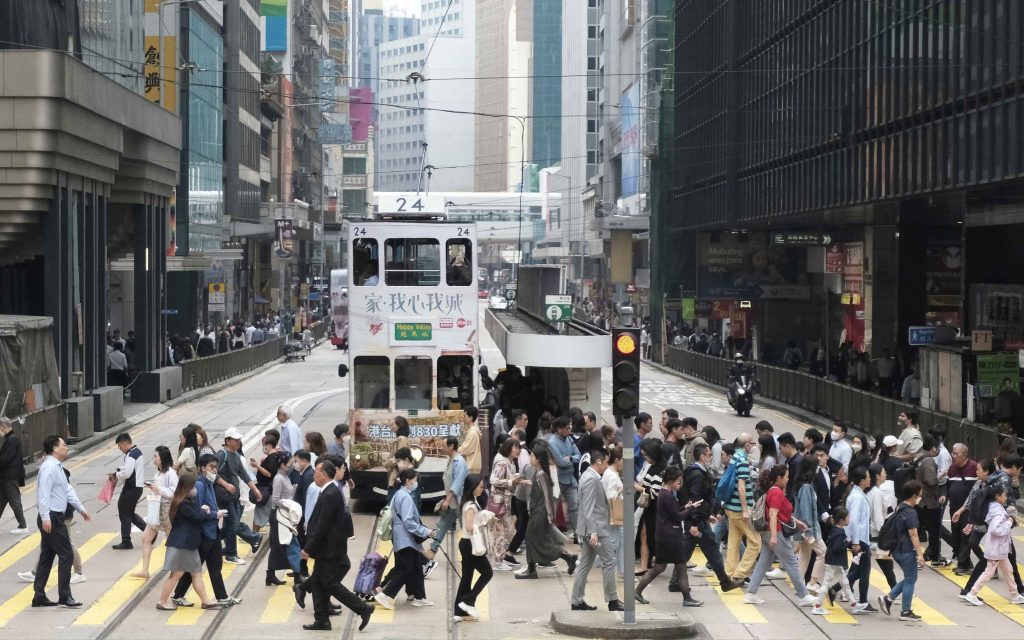
Area: 1,115 square kilometres
Population (2025): Approximately 7.5 million
GDP (2025): Approximately HK$3.3 trillion (US$421.98 billion)
GDP per capita (2025): Approximately HK$440,000 (US$56,145)
Trade volume (2025): Approximately HK$9.5 trillion (US$1.21 trillion)
Hong Kong is the most international of China’s Greater Bay Area cities, earning the top spot in the Hong Kong General Chamber of Commerce’s inaugural Asian Cities Internationality Index last year. The territory’s outward looking mindset stems from the melting pot of cultures that has arisen after its existence as a British colony for 156 years.
On 1 July 1997, British administration of Hong Kong ended after the UK retroceded the city to mainland China. The handover led to Hong Kong becoming a Special Administrative Region, a status that allows the city to maintain a political, economic and financial system separate from the rest of China.
[See more: Everything you need to know about the Greater Bay Area Sports Centre]
Traditionally, Hong Kong’s four main sectors have been service-oriented, accounting for 58.2 percent (HK$1.81 trillion) of GDP in 2024. They include financial services (26.2 percent, HK$816 billion), trading and logistics (18.9 percent, HK$588.2 billion), professional services and other support services for commerce and industry (10.3 percent, HK$321.2 billion), as well as tourism (2.8 percent, HK$86.4 billion).
Considering Hong Kong’s strengths in these areas, it is hardly surprising that the 2019 GBA Outline Development Plan calls for the building up of the city’s position as “international financial, transport and trade centre.”
Hong Kong is also involved in a number of collaborative GBA projects. One example of this is the massive Northern Metropolis, a large-scale development near the demarcation line with Shenzhen that is being planned as an innovation and technology hub and platform for the GBA, as well as a living space for residents.
Huizhou: petrochemicals and technology
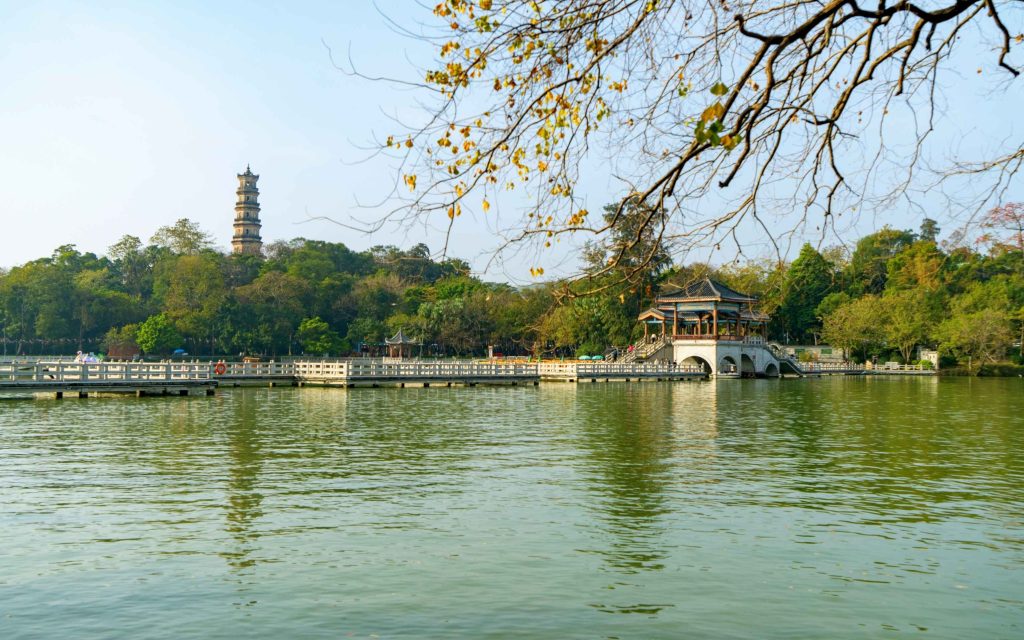
Area: 11,350 square kilometres
Population (2025): Approximately 6.19 million
GDP (2025): Approximately 640 billion yuan (US$94.49 billion)
GDP per capita (2025): Approximately 100,000 yuan (US$14,765)
Trade volume (2025): Approximately 390 billion yuan (US$57.58 billion)
As the second largest of China’s Greater Bay Area cities by land area, Huizhou is home to some of the region’s most beautiful and stunning scenic spots, valleys and mountains. The local government’s 2026 work report notes that 59.69 percent of the city’s area is covered by forest.
Nationally, Huizhou is one of the major players in China’s petrochemical industry, attracting investment from major fuel companies such as ExxonMobil, CNOOC-Shell, China National Offshore Oil Corporation and Hengli Group.
A Nanfang Daily report published in December 2025 noted at the time that the city’s petrochemical new materials industry was worth over 390 billion yuan (US$57.58 billion), with the Daya Bay Petrochemical Zone serving as Guangdong’s only base for the development of the industry. The facility is one of the most significant petrochemical refinement hubs in China, with the capacity to annually produce 22 million tons of refined oil and 3.8 million tons of ethylene.
Another key pillar of Huizhou’s economy is technology, which had an economic output of over 620 billion yuan (US$91.54 billion) last year. A key component to the sector’s growth is the Huizhou Zhongkai High-tech Zone, which has served as a production base and industry cluster for LED, new energy, mobile communications, semiconductors and displays.
[See more: Over a million people regularly commute between Guangzhou and neighbouring cities]
Other major industries in Huizhou include clean energy, as well as automotive and equipment manufacturing.
Huizhou’s economy is largely driven by its secondary and tertiary sectors. The former represented 53.17 percent (338.39 billion yuan, US$49.96 billion) of GDP in 2025, while the latter accounted for 41.58 percent (264.62 billion yuan, US$39.07 billion) of economic output. The primary sector’s contribution to the economy only amounted to 5.24 percent or 33.34 billion yuan (US$4.92 billion).
Moving forward, the Huizhou government is looking to further grow the economy, targeting an average GDP growth of 5.5 to 6 percent between now and 2030. The city is also aiming to reach the 1 trillion GDP benchmark by 2030.
Jiangmen: Overseas Chinese capital
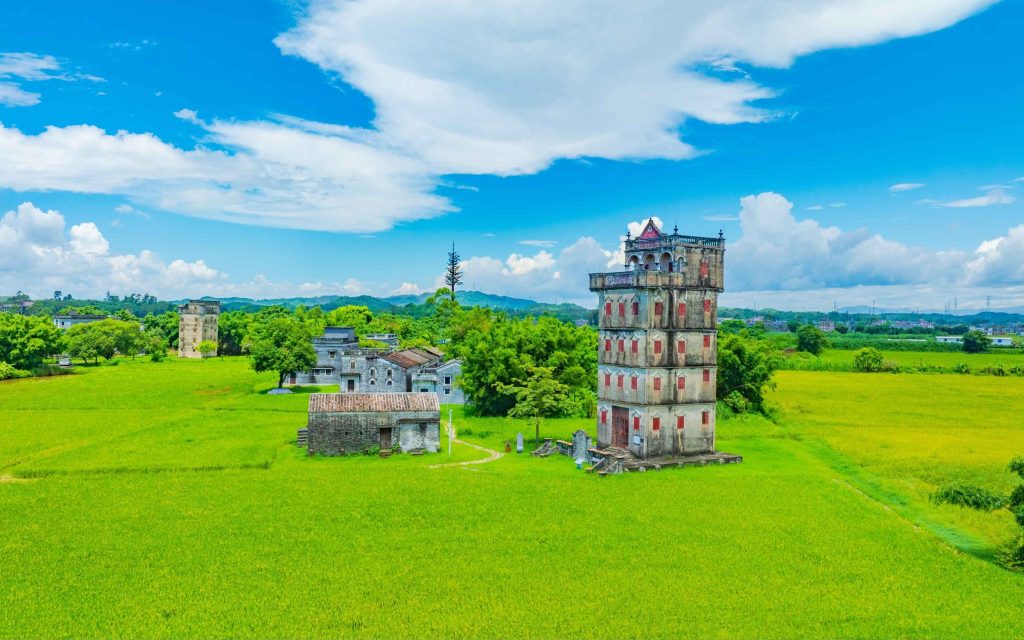
Area: 9,535 square kilometres
Population (2025): Approximately 4.83 million
GDP (2025): Approximately 430 billion yuan (US$63.48 billion)
GDP per capita (2025): Approximately 90,000 yuan (US$13,288)
Trade volume (2025): Approximately 190 billion yuan (US$28.05 billion)
Historically, Jiangmen is known as the “Capital of Overseas Chinese,” as many Chinese living abroad hail from the city. Some notable individuals with ancestral ties to the region include Feng Ru, an early aircraft pioneer; Adrienne Clarkson, the 26th governor-general of Canada; and Gary Locke, America’s former ambassador to China, who also served as the secretary of commerce under the Obama administration.
Evidence of Jiangmen’s strong ties with overseas Chinese can also be seen in specific parts of the city, most notably via the Kaiping Diaolou – towering structures that were built by wealthy overseas Chinese in villages in Kaiping, primarily in the 1920s and 1930s. These historic buildings also hold the distinction of being the only UNESCO World Heritage site in Guangdong.
In terms of its economy, Jiangmen relies on a number of pillar industries for development, including motorcycles and auto parts, textiles and apparel, shipbuilding, papermaking, packaging material, printing and electrochemicals. At the same time, the city is aiming to bolster strategic emerging industries such as new energy, high-end equipment manufacturing, green home appliances and new materials.
[See more: Which Greater Bay Area city should you visit? Here’s a quick way to figure it out]
Like the rest of China’s Greater Bay Area cities, Jiangmen’s economic growth is primarily driven by its tertiary and secondary sectors, which contributed to 48.15 percent (206.76 billion yuan, US$30.52 billion) and 43.1 percent (185.06 billion yuan, US$27.32 billion) of GDP respectively in 2025. In contrast, the primary sector only made up 8.74 percent (37.55 billion yuan, US$5.54 billion) of economic output.
A number of development areas have been set up to support Jiangmen’s economy, including the Jiangmen High-Tech Industrial Development Zone and the Xinhui Economic Development Zone.
As for Jiangmen’s strategic positioning in the GBA, the Outline Development Plan mentions turning the city “into an important cultural exchange and cooperation platform for overseas Chinese.” As well, the document proposes the establishment of the Greater Guanghai Bay economic zone between Jiangmen, Hong Kong and Macao, in addition to boosting collaboration in an array of fields, including tourism, finance, e-commerce and the marine economy.
Macao: casinos and tourism
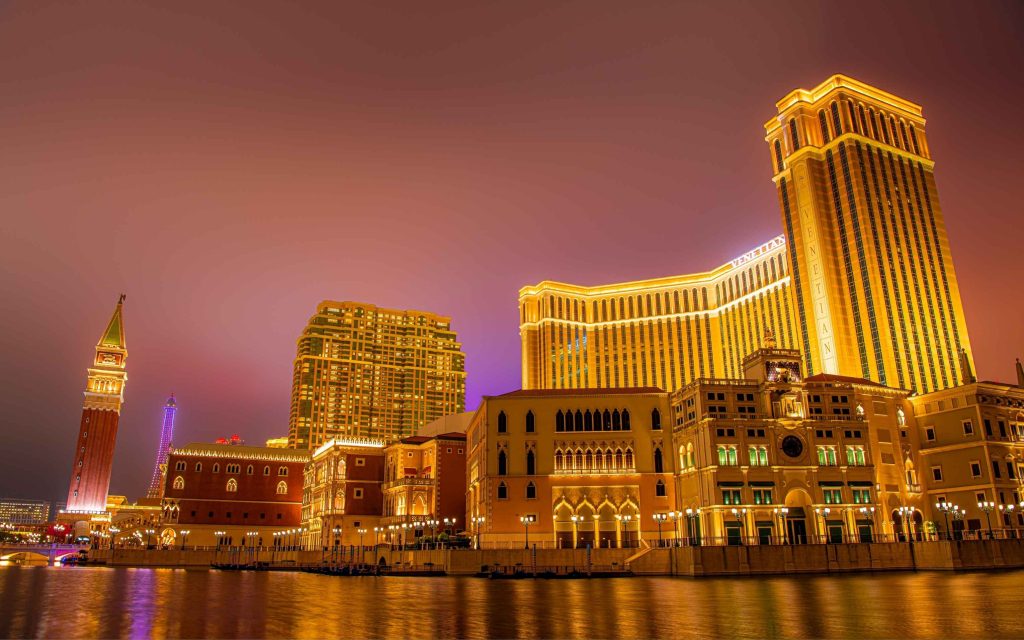
Area: 33 square kilometres
Population (2025): Approximately 690,000
GDP (2025): Approximately 420 billion patacas (US$52.07 billion)
GDP per capita (2025): 610,000 patacas (US$75,635)
Trade volume (2025): Approximately 140 billion patacas (US$17.35 billion)
Macao may be the smallest city within the GBA, but it punches above its weight. Originally a small Chinese fishing village, it came under Portugal’s sphere of influence after the first Portuguese settlement was established there in 1557. Lisbon would end up administering the city for the next 442 or so years, before transferring the administration back to mainland China on 20 December 1999.
Like Hong Kong, Macao became an SAR following the handover, retaining its unique political, legal and financial systems based on the “one country, two systems” framework that also governs Hong Kong. Under Macao’s mini constitution, the Basic Law, the territory was also permitted to retain its casino industry, which had developed considerably during the Portuguese era.
In 2002, the SAR government ended the four-decade long gambling monopoly of local casino tycoon Stanley Ho, issuing gaming licenses to other local and international casino operators. The decision turbocharged Macao’s development, making it one of the wealthiest territories in the world.
[See more: The top 4 universities in the Greater Bay Area, ranked (2026)]
Nowadays, Macao’s economy is heavily reliant on its gambling and tourism industries. According to official data, gambling accounted for 43.3 percent of GDP in 2024. It also accounted for 80.5 percent (88.12 billion patacas, US$10.92 billion) of the government’s total tax revenue of 109.5 billion patacas (US$13.57 billion) that year.
Structurally, Macao’s tertiary sector dominates the economy, accounting for 95.1 percent (365.87 billion patacas, US$45.36 billion) of economic output in 2024. Meanwhile, the secondary sector made up 4.9 percent (19.99 billion patacas, US$2.47 billion) of economic output, with the primary sector being non-existent.
In light of its excessive reliance on gambling, Macao has sought to diversify its economy in recent years. One key way is through the special economic zone of Hengqin, an island district of Zhuhai that is helping Macao to develop several emerging industries – traditional Chinese medicine, financial services, MICE, life sciences and advanced technology.
At the same time, the authorities are pushing to make Hengqin a second home for Macao residents through measures such as preferential policies and housing projects like the Macao New Neighbourhood.
Among China’s Greater Bay Area cities, Macao is keen on positioning itself as “a world-class tourism and leisure centre,” as well as a channel for cooperation and exchange between the mainland and Portuguese-speaking countries.
Shenzhen: tech hub
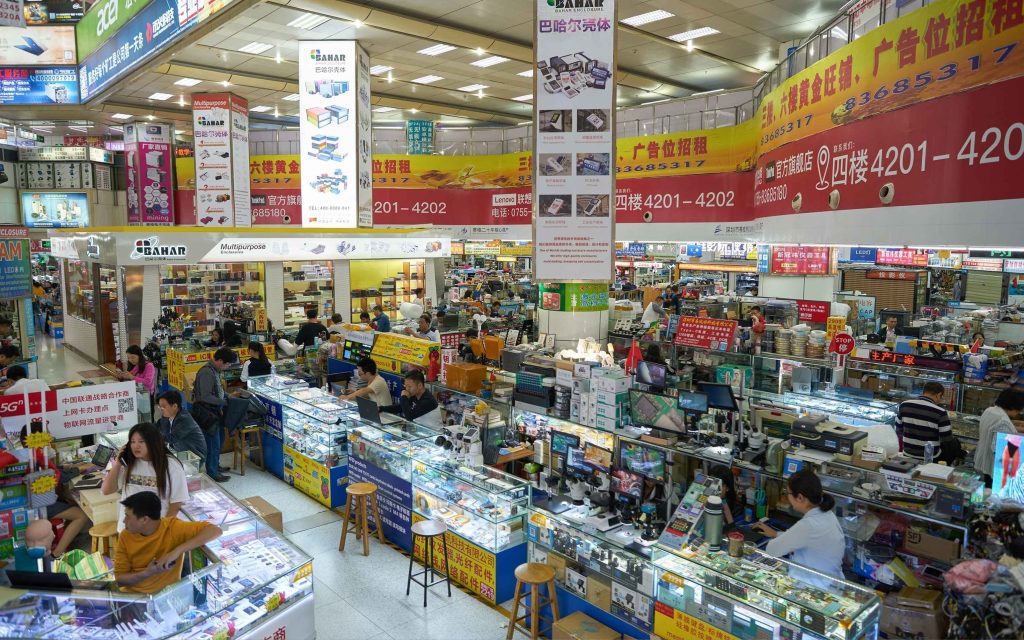
Area: 1,989 square kilometres
Population (2025): Approximately 18.25 million
GDP (2025): Approximately 3.8 trillion yuan (US$561.07 billion)
GDP per capita (2025): Approximately 220,000 yuan (US$29,530)
Trade volume (2025): Approximately 4.5 trillion yuan (US$664.42 billion)
Nowadays, Shenzhen is the poster child for Chinese tech advancement and innovation, housing some of the nation’s biggest tech companies, including Tencent, Huawei, BYD and DJI. Yet, a little under five decades earlier, the city was still a farming and fishing town with a population of around 332,900 people and a per capita GDP of just 835 yuan.
That all changed in 1980 when Shenzhen became one of China’s first Special Economic Zones under the country’s reform and opening up policy, which the Chinese government introduced in 1978 to liberalise the economy. In the ensuing decades, Shenzhen underwent a dramatic population and economic boom that transformed it from a backwater into a tier-one city that ranks number one in terms of patent submissions nationwide.
As a tech hub, Shenzhen’s four pillar industries include advanced technology, modern logistics, financial services and the cultural industry. A number of strategic emerging industries such as biotechnology, new energy, energy conservation, robotics, aerospace and aviation, wearable devices and smart equipment are also growing in importance.
[See more: A travel guide to Shunde, the Greater Bay Area’s hidden gem]
Structurally, the tertiary industry (service sector) dominates, generating around 62.5 percent (2.42 trillion yuan, US$357.31 billion) of the economic output in 2025. This is followed by the secondary and primary sectors, which accounted for 37.4 percent (1.44 trillion yuan, US$212.61 billion) and 0.1 percent (2.8 billion yuan, US$413.42 million) of GDP.
In terms of its positioning among China’s Greater Bay Area cities, the development plan bills Shenzhen as “a capital of innovation and creativity with global influence.”
Key to this goal are the city’s own Special Economic Zones, the most significant of which is Qianhai District. Founded in 2010, the Qianhai Cooperation Zone is aimed at boosting collaboration between the mainland and Hong Kong, focusing on service industries such as finance, logistics, technology services and data services.
Despite its reputation as China’s Silicon Valley, Shenzhen also has a rich artistic culture and an array of non-tech offerings, including museums, theme parks and cultural venues.
Zhaoqing: scenery and natural resources
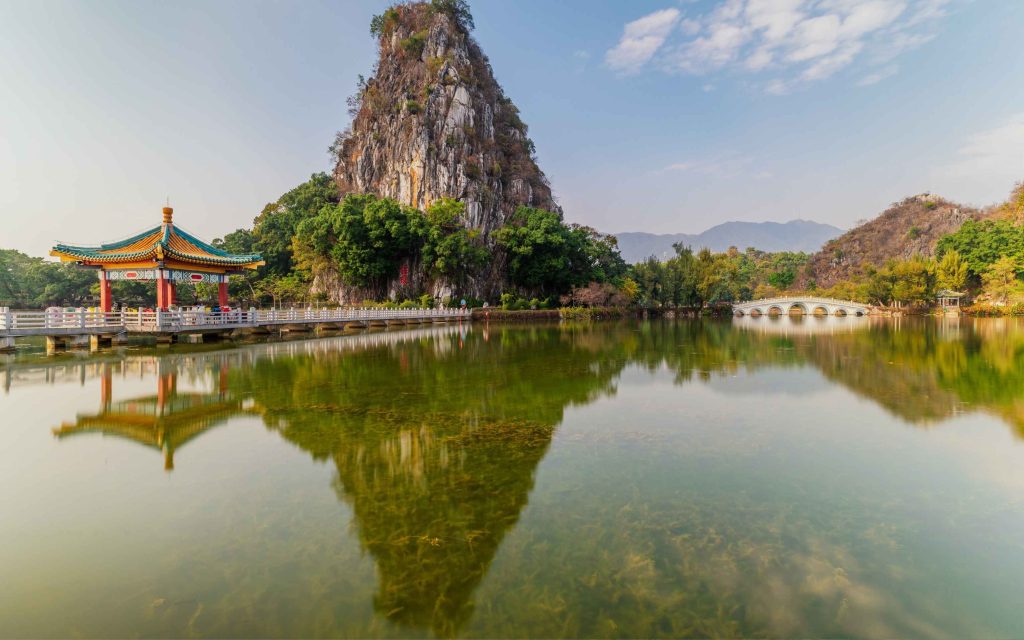
Area: 14,891 square kilometres
Population (2025): Approximately 4.12 million
GDP (2025): Approximately 300 billion yuan (US$44.29 billion)
GDP per capita (2025): Approximately 70,000 yuan (US$10,335)
Trade volume (2025): Approximately 38 billion yuan (US$5.61 billion)
Zhaoqing is by far the largest of China’s Greater Bay Area cities by landmass. Some of the GBA’s most breathtaking natural scenery can be found here, with notable examples being the Xinghu Lake Scenic Area, Dinghu Mountain and the Fengkai Lungshan Scenic Area.
Another key feature of Zhaoqing is its wealth of natural resources, including gold, copper, iron, as well as fresh water, medicinal herbs and forest resources. The city has various gold mines and limestone quarries.
Economically, Zhaoqing is the smallest of the GBA cities, with its development driven by six main sectors – textiles and garments, food and beverages, building materials, metal products, home appliances and building materials. The city is attempting to build up emerging industries, including those relating to new energy vehicles, advanced equipment manufacturing, biomedicine and energy conservation.
[See more: These are the most useful Greater Bay Area bookmarks, phone numbers and apps]
The biggest contributor to Zhaoqing’s economy is the tertiary sector, which accounted for 45.34 percent of the total (134.88 billion yuan, US$19.91 billion) in 2025. Meanwhile, the secondary and primary sectors made up 36.77 percent (109.41 billion yuan, US$16.15 billion) and 17.87 percent (53.18 billion yuan, US$7.85 billion) of the economy respectively.
Some of the major development areas in Zhaoqing that are helping to push development include the Zhaoqing High-Tech Industrial Development Zone and the Zhaoqing Industrial Park.
Zhongshan: birthplace of Sun Yat-sen
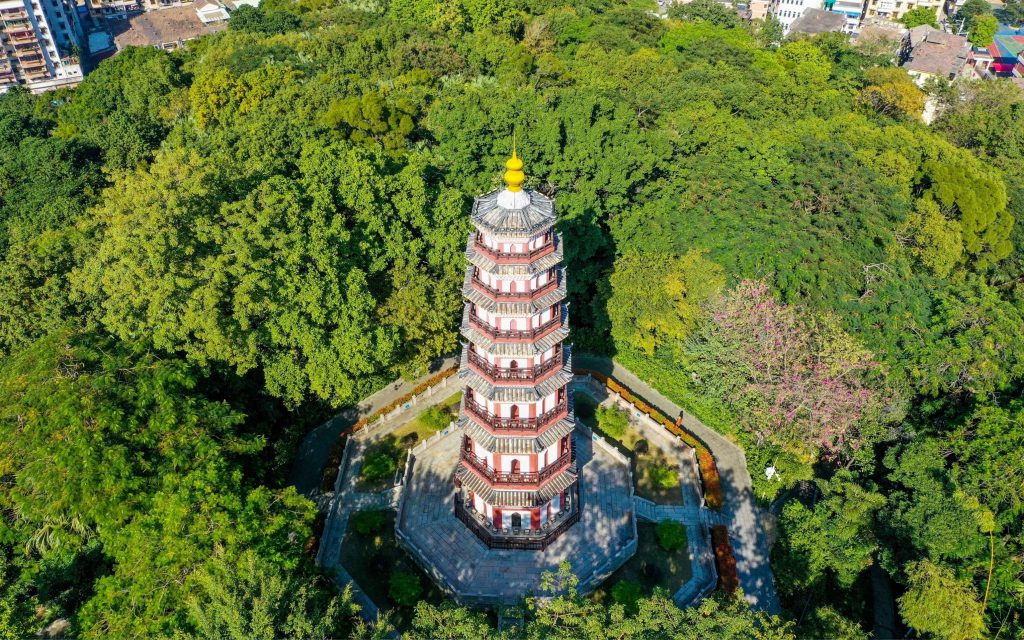
Area: 1,781 square kilometres
Population (2025): Approximately 4.57 million
GDP (2025): Approximately 430 billion (US$63.48 billion)
GDP per capita (2025): Approximately 100,000 yuan (US$14,765)
Trade volume (2025): Approximately 280 billion yuan (US$41.34 billion)
Originally called Xiangshan, Zhongshan changed its name in 1925 to honour its most famous native son, Sun Yat-sen (popularly known as Sun Zhongshan in Chinese), the republican revolutionary revered as the father of Modern China for his role in ending around 2,000 years of imperial rule.
Given its association with Sun, some of Zhongshan’s key attractions are linked to him. including the Tourism Area of Sun Yat-sen’s Hometown and Dr. Sun Yat-sen’s Memorial Hall.
Zhongshan, however, is much more than simply Sun’s birthplace, as the city has a rich culinary scene, and a slew of attractions, including the 500-metre long Sun West Road Pedestrian Street, which mixes European and Chinese architecture.
Within the business world, Zhongshan is known for its advanced manufacturing and modern service sectors. Some of the city’s key sectors include the production of household appliances, electronics, lighting, healthcare and pharmaceuticals, furniture and equipment manufacturing. The service industry and yacht industry are among its emerging sectors.
[See more: Moving to the mainland cities of China’s Greater Bay Area: An expatriate guide]
Key drivers of Zhongshan’s economy include the secondary sector, which represented 51.37 percent (218.9 billion yuan, US$32.32 billion) of GDP in 2025, and the tertiary sector, which produced 46.31 percent (197.33 billion yuan, US$29.13 billion) of GDP. By contrast, the primary sector only made up 2.3 percent of GDP (9.81 billion yuan, US$1.44 billion) last year.
According to the 2019 Outline Development Plan, Zhongshan, along with other so-called node cities, is strategically positioned to “enhance connectivity among industries in the GBA and raise the level of coordinated development” through “complete industry chains.”
Like the other cities in the GBA, Zhongshan has its own development areas, namely Zhongshan Torch High-Tech Industrial Development Zone and Zhongshan Industrial Park.
It also runs youth innovation and entrepreneurial cooperation platforms, while biomedical technologies and the promotion of Sun-related cultural resources are other areas targeted for Zhongshan’s development.
Zhuhai: innovation hub
Area: 1,725 square kilometres
Population (2025): Approximately 2.54 million
GDP (2025): Approximately 460 billion (US$67.91 billion)
GDP per capita (2025): 180,000 yuan (US$26,577)
Trade volume (2025): Approximately 320 billion yuan (US$47.24 billion)
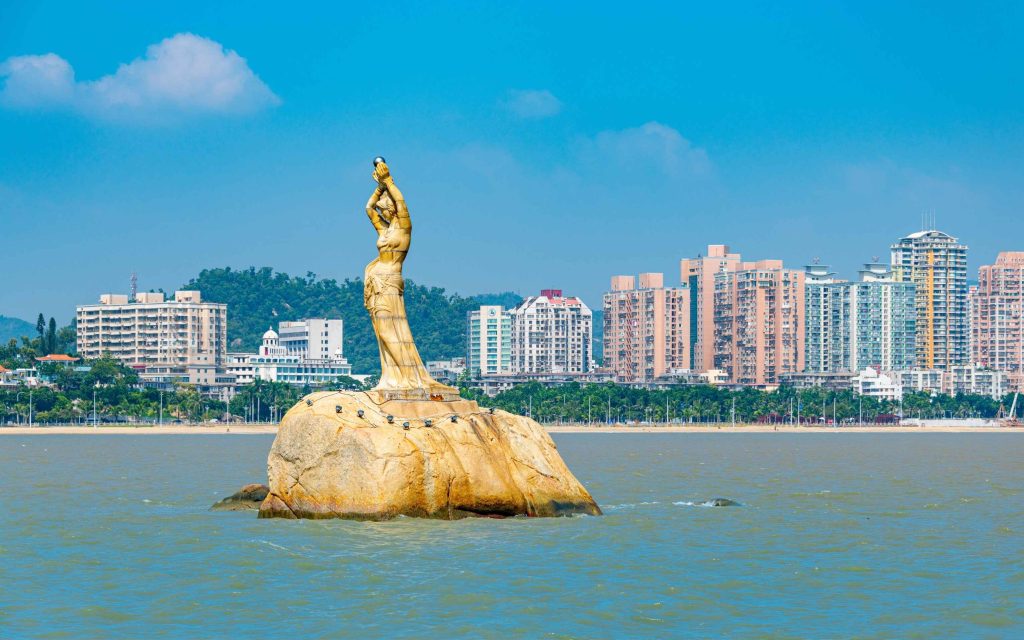
Like Shenzhen, Zhuhai was formerly a small fishing village that underwent dramatic urbanisation after the central authorities designated it as a Special Economic Zone in 1980.
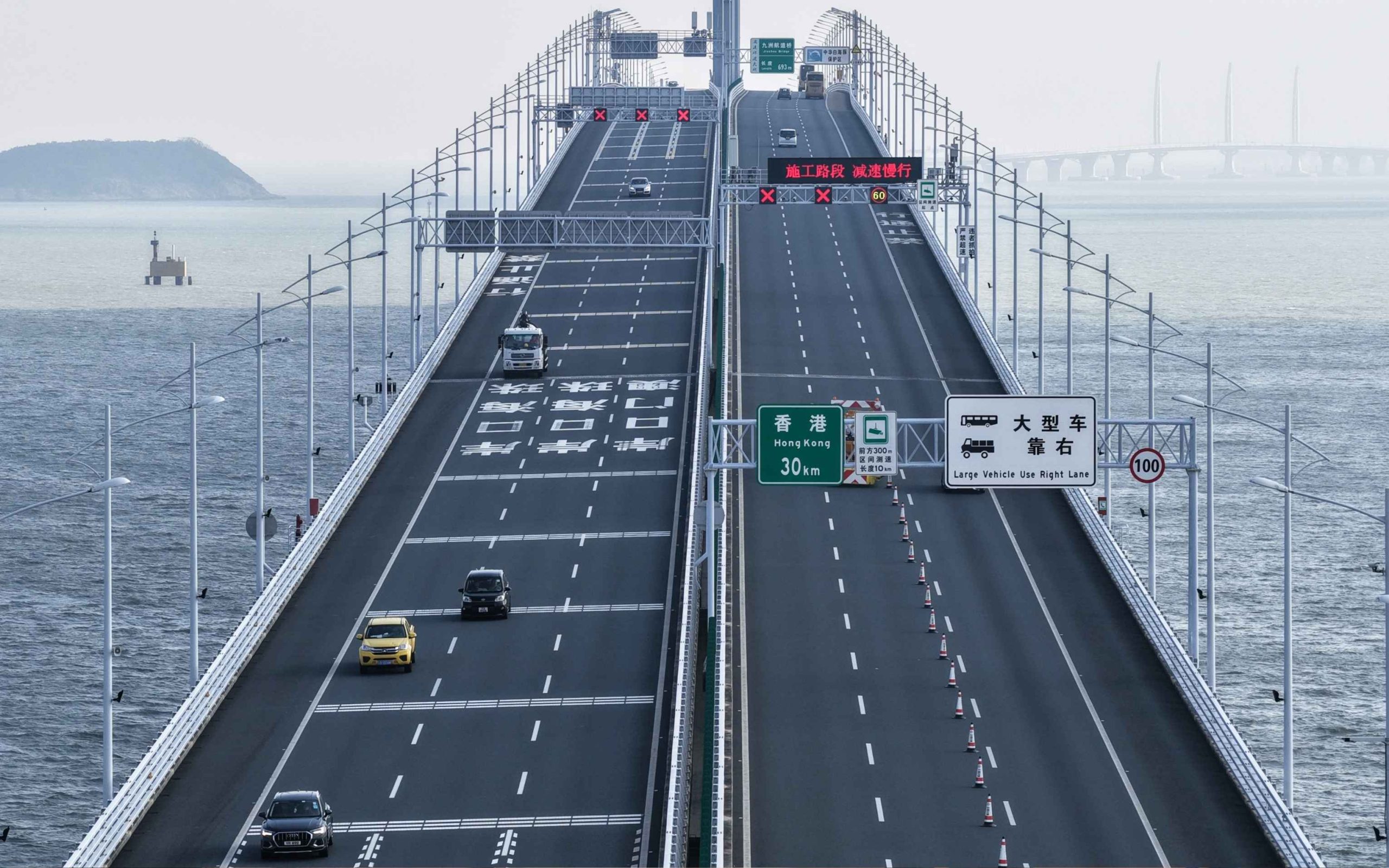
Zhuhai is a particularly important city on the west bank of the Pearl River for a number of reasons. It is only second to Shenzhen in terms of the number of border entry points nationwide, greatly facilitating the movement of people and goods between mainland China and the two SARs. Zhuhai is the only mainland city to be directly linked to both Hong Kong and Macao by road, thanks to the 55-kilometre long Hong Kong-Zhuhai Macao Bridge (HZMB), which opened in 2018.
In total, Zhuhai features 10 points of entry, including the five land ports of Gongbei, Qingmao, Hengqin, Zhuhai Port of the HZMB and the Zhuhai-Macao Cross-border Industrial Zone.
[See more: Between policy and belonging: Can a Greater Bay Area identity truly exist?]
Economically, Zhuhai has six basic industries – electronic information, home appliances, biopharmaceuticals and medical devices, electricity and energy, precision machinery and petrochemicals. Meanwhile, its two special sectors are printing supplies and the manufacturing of yachts.
The city’s main generator of GDP is its tertiary sector, which contributed 57.78 percent (264.2 billion yuan, US$39 billion) in economic output in 2025. In second and third place were the secondary and primary sectors, which represented 40.56 percent (185.5 billion yuan, US$27.38 billion) and 1.65 percent (7.55 billion yuan, US$1.11 billion) of GDP respectively.
Strategically, Zhuhai is playing an important role in Macao’s economic diversification through the island district of Hengqin, seen as an area for Macao to expand economically as well as a place for SAR’s population overspill. Meanwhile, it is attempting to drive further growth through development areas such as the Zhuhai High-Tech Industrial Development Zone and the Zhuhai Fushan Industrial Park.
Aside from its economic opportunities, Zhuhai also happens to be one of China’s most liveable cities, earning the top spot in China’s Top Ten Liveable Cities ranking for five consecutive years between 2016 and 2020.