The acclaimed photographer talks to The Bay on trading architecture for a camera and capturing Hong Kong from above.
Hong Kong’s Derry Ainsworth named Architecture Photographer of the Year
Article by:
PUBLISHED:
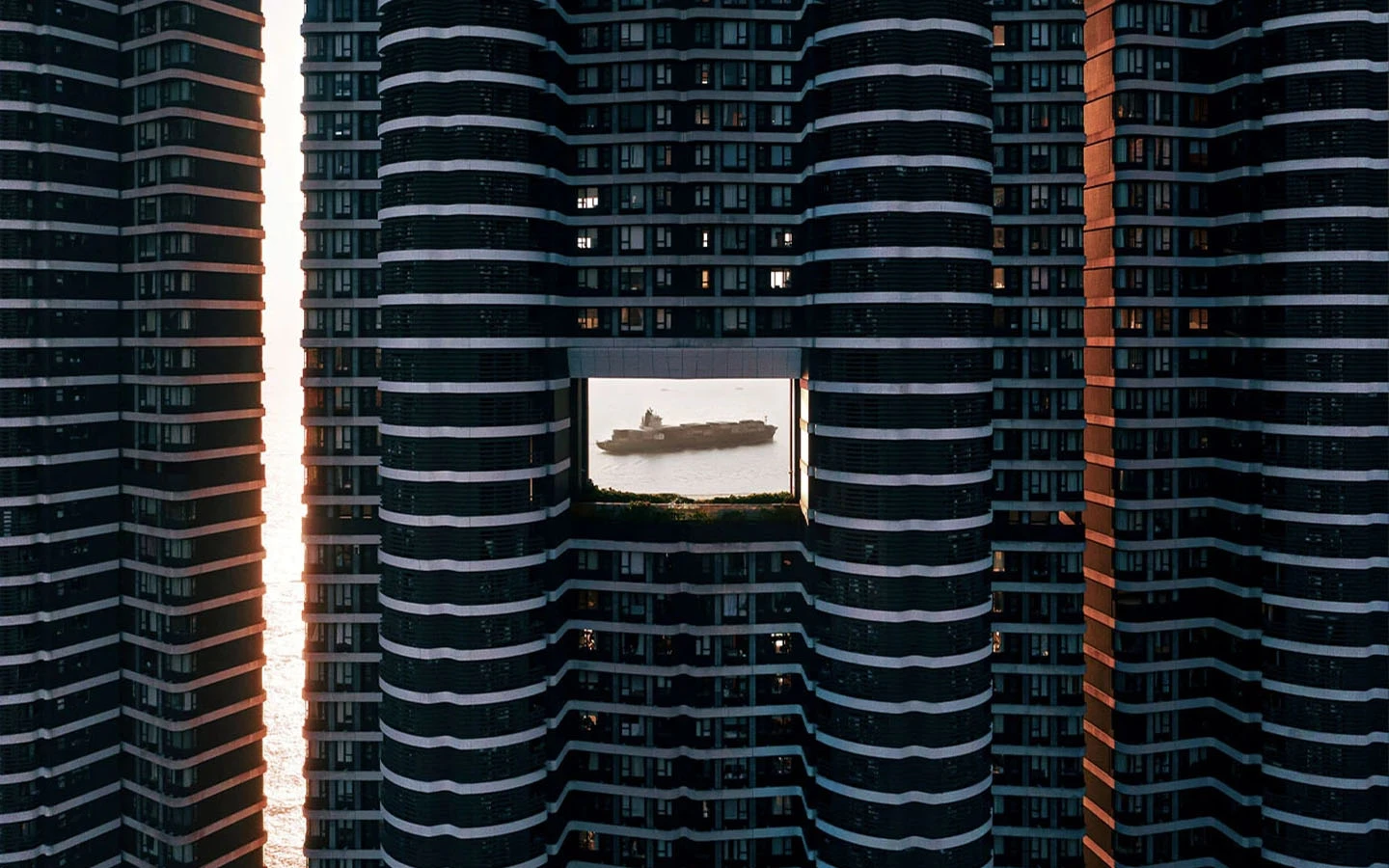
Derry Ainsworth’s has been named Architecture Photographer of the Year at the 2026 European Photography Awards for his aerial series Hong Kong From Above. The recognition came from a field of more than 3,000 entries submitted from over 40 countries. The series also won the Architecture Photography category outright. It turns the city’s residential towers, rooftops and roads into abstract fields of colour and geometry, shot from directly overhead rather than the usual harbour-facing skyline.
[See more: Meet Kristopher Ho, the Hong Kong artist behind FC Bayern’s Kai Tak jersey]
It was one of 12 wins for Ainsworth at this year’s awards, with others given for individual images. The haul brings his career total to 53 international awards, he says. The European win is the second major architecture title of the year for the Hong Kong-based photographer. He also holds a second Architecture Photographer of the Year title from the 2026 MUSE Photography Awards.
A childhood spent between painting and architecture
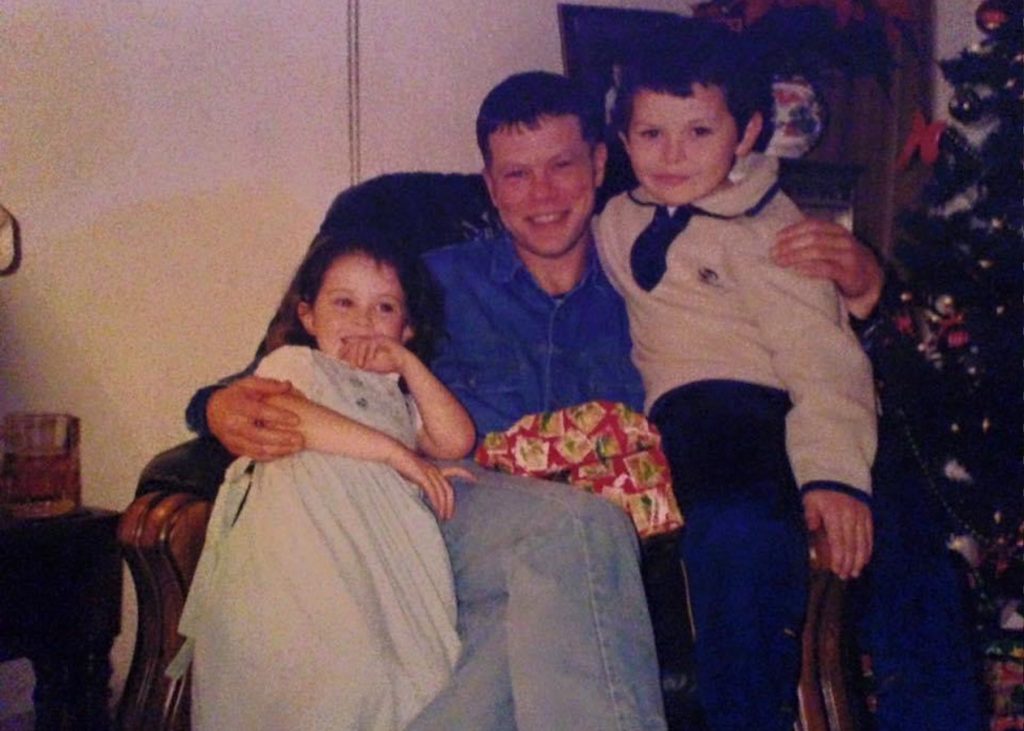
Ainsworth was born in Blackburn and grew up in Bournemouth, a quiet seaside town in the UK. His household encouraged creativity without pushing him toward any one medium – his father painted and drew, and his mother had gone to art college. He came close to studying film locally, before choosing architecture instead. It felt like the more practical option at the time, a middle ground between something creative and something professional.
The camera stayed mostly incidental through his degree, picked up mainly on field trips to photograph the buildings he was studying. It only became serious once he reached Hong Kong in 2014. He arrived by accident, midway through a longer trip meant to take him across Asia and back to the UK. He had stopped in Shanghai and Tokyo first, found the language barrier difficult in both, and ran out of money once he got to Hong Kong.
[See more: A Macao art exhibition explores the themes of AI and romance]
Then, he never left. Something about the city, its density set against its coastline, its old neighbourhoods sitting beside new towers, felt closer to home than expected. So did the people he fell in with early on, a mix of locals and expats who took him around and showed him more of the city than he’d have found on his own. “I’m from a small seaside town in the UK, and I like living by the coast,” he tells The Bay, the same balance between city and nature that helped convince him to stay for good.
A change of focus, and a health scare that led to a book
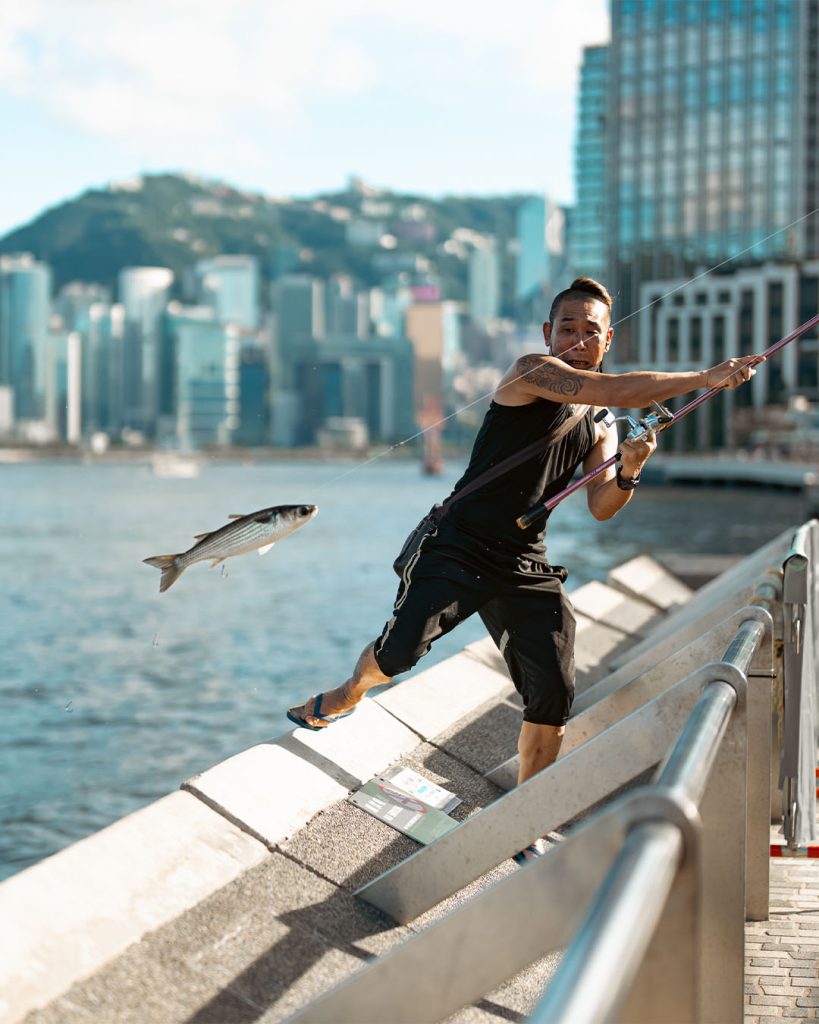
More than a decade on, Ainsworth says the skyline keeps expanding. What’s stayed constant is the city underneath it, old neighbourhoods still sitting amongst the new towers, even as the buildings around them keep changing. That same tension, old against new, is what eventually pulled his own work in a different direction.
He took a corporate architecture job soon after arriving, the kind of stable path his degree had pointed toward. He spent two years there before deciding it gave him almost none of the creative control he wanted. Photography, shot in his spare time at first, became the outlet instead, until it became the job. He now runs his own practice under his name.
The work itself shifted along with the career change. It moved from the skyline and neon signs that first drew him in toward street vendors and ageing neighbourhoods. “I wanted to show more than just the glitz and glamour of this city,” he says. “By portraying the human side alongside the city, you ground your work into humanity.”
That instinct runs through Highs & Lows: Unique Hong Kong Perspectives, his photo book now in its second, 190-page edition. It came out of a serious health scare two years ago that put Ainsworth in hospital. “I’d been shooting for such a long time, like 10 years, that I hadn’t really left anything behind,” he says. “I was just thinking, what is my legacy here?”
The book is what he made of it. It pairs his aerial work with his street photography, both organised around the same idea from two directions. The first edition sold out within a month of its November 2025 release, prompting a second edition in April 2026. The second edition is available now through his site. National Geographic Traveller has called the book a “love letter to Hong Kong.”
[See more: Here are some of the best art museums in China’s Greater Bay Area]
The title is as literal as it is emotional, he says – some subjects look up, some look down, some are happy, and some aren’t. It doubles as a description of the decade that preceded it. “I’ve had a non-conventional, rocky road to where I’m at now,” he says. “Trying to make money with a camera in an expensive city has been really, really tough. It was always this constant rollercoaster.”
Hong Kong from above
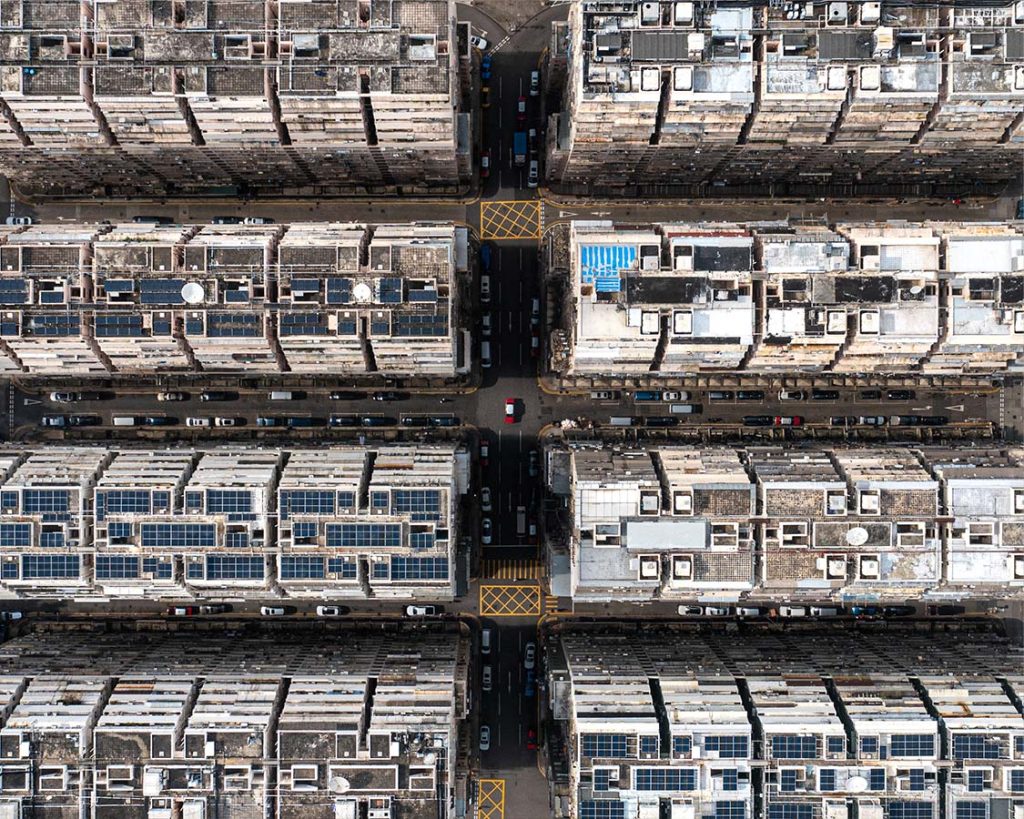
His aerial work is what has now won him architecture photography’s biggest titles of the year. Ainsworth scouts most of his shots on Google Maps before he leaves the ground, looking for housing estates and rooftops with the right density or pattern. Then he hikes to the vantage point once he has one in mind. Some take more waiting than searching, lining up a shot through a gap in one building and holding it until a boat happens to pass through the frame.
A generic cityscape is easy enough to shoot, he says – the harder part is settling on one particular angle worth building an image around. Hong Kong, in his words, is “spoilt for views.” That makes the real challenge less about finding a vantage point and more about deciding what’s actually worth showing from it.
[See more: 5 futuristic buildings in the Greater Bay Area that don’t look real]
He describes the recognition as a way of giving something back to the city that gave him his career in the first place. He hopes the images offer an international audience a version of Hong Kong they haven’t quite seen before.
Full circle, and further out
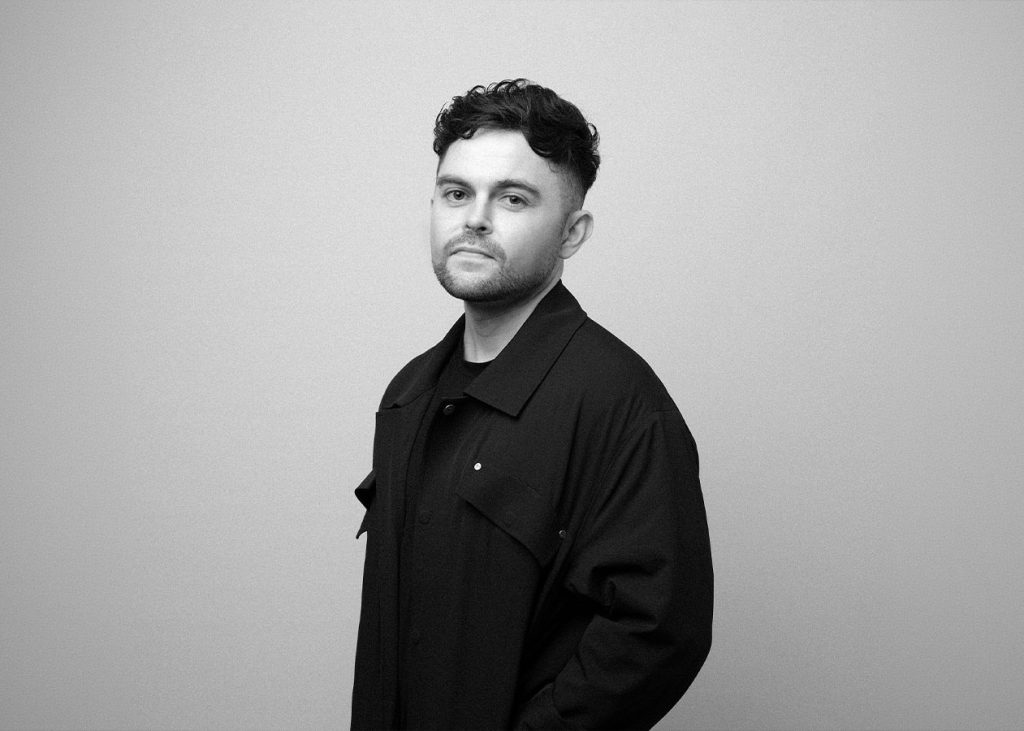
Before turning to architecture photography full-time, Ainsworth worked his way through most of Hong Kong’s commercial genres to pay the rent, shooting events among them. Winning at this level, he says, has brought things “full circle,” and it’s encouraged him to keep developing his photography around architecture specifically, the discipline he actually trained in.
That renewed focus is pulling him further out too, toward new projects across the wider Greater Bay Area. Shenzhen’s newer developments are the current draw, as he looks to explore more of China from an architectural perspective. The win, he says, has been encouraging enough to want to get straight back out and keep shooting.
Asked what he’d tell the version of himself who hadn’t yet picked up a camera, he doesn’t take long to answer. “Keep going, no matter how tough it gets,” he says. “If you always follow your passion, one day you’ll get recognised for it. Stay curious, stay creative, and stay in love with what you do, because at the end of the day, it will get you the places you want to be.”
UPDATED: 26 Aug 2026, 4:56 pm