Official figures reveal strong double-digit increases in both imports and exports as international appetite for technology offsets weak domestic demand.
Article by:
PUBLISHED:
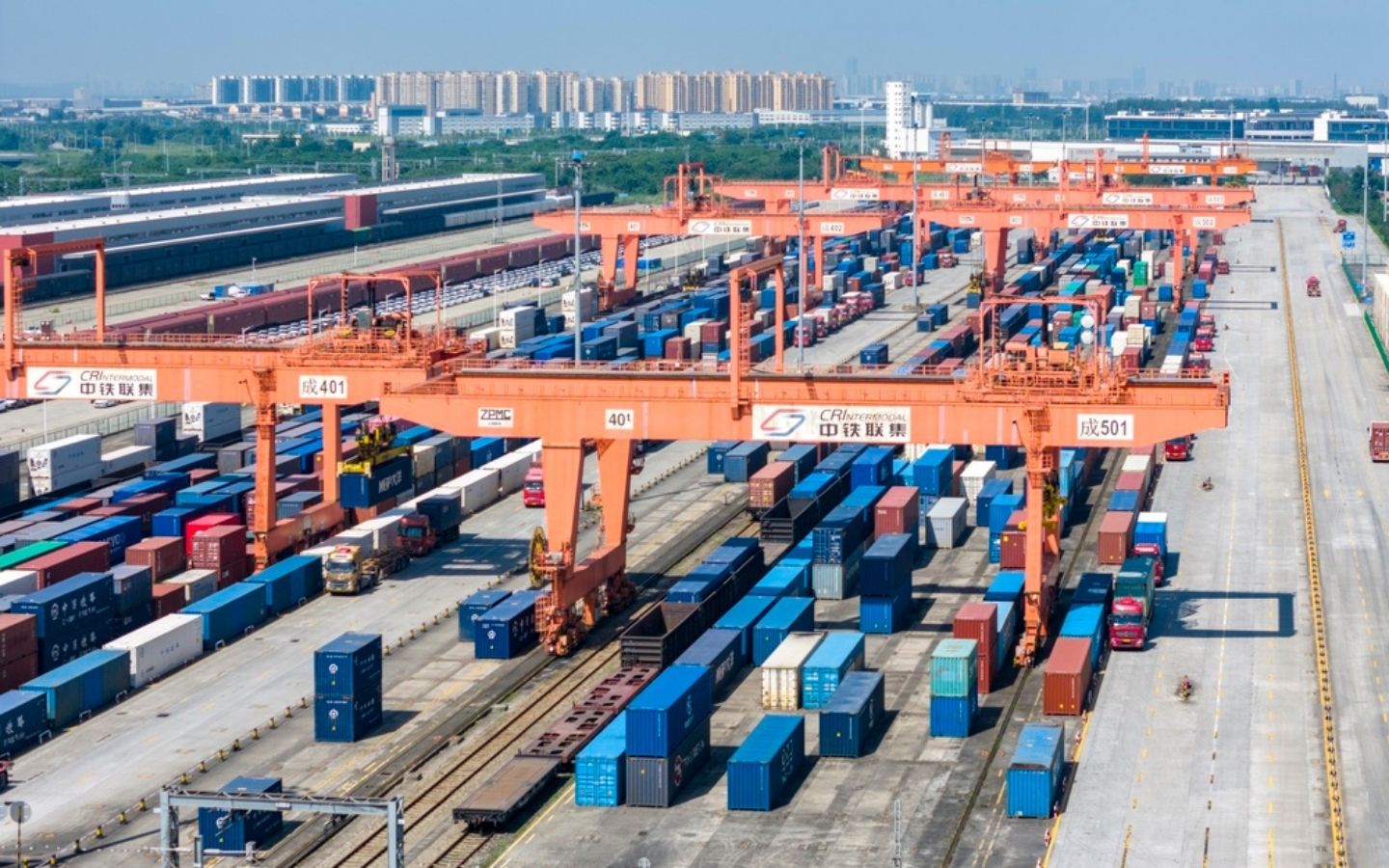
According to official figures released on Tuesday by the General Administration of Customs, China’s imports and exports experienced significant expansion last month.
Multiple media reports say that robust trade growth in August was largely propelled by a global artificial intelligence development boom, which has significantly increased international demand for Chinese technological products. In US-dollar terms, exports surged by 25 percent compared to the same period last year, while imports climbed by 28.2 percent. Notably, shipments to the United States grew by 34.4 percent year-on-year, representing a substantial acceleration from the 17 percent rise recorded in July.
The expansion in imports also quickened, with August’s 28.2 percent increase slightly outpacing the 27.5 percent growth observed in July. Both import and export figures have now secured double-digit expansion for four consecutive months, with import growth surpassing export growth for six months in a row. Consequently, the national trade surplus expanded to US$119.09 billion in August, up from US$112.5 billion in July. This upward trajectory follows a historic trade surplus in 2025, sustained by strong global interest in semiconductors, computing equipment, electric vehicles, and AI-related infrastructure. Indeed, from January to August, the export value of computers and associated components climbed by 49.4 percent.
Chi Lo, a senior market strategist for Asia Pacific at BNP Paribas Asset Management, told media that the country remains highly competitive in tech exports, having transitioned advanced manufacturing up the value chain to become a primary provider of automation and AI systems. However, this external success contrasts sharply with weak domestic consumption, sluggish investments, and a struggling property sector. While advanced technology manufacturers thrive under the AI wave, companies dependent on internal markets face soft demand and producer price inflation.
[See more: China-ASEAN trade growth continues to climb ahead of Nanning expo]
To address these issues, Premier Li Qiang recently called for measures to stabilise external demand and broaden global trade co-operation, whilst acknowledging the internal challenges and international uncertainties.
Meanwhile, a trade truce established late last year between Beijing and Washington remains intact despite occasional tensions. Officials are currently investigating reciprocal tariff reductions on US$30 billion worth of goods ahead of an upcoming bilateral summit in Washington DC between President Xi Jinping and Donald Trump. This ongoing diplomatic engagement is expected to help sustain China’s robust trade growth heading into the final quarter of the year.