Economic diversification is just one part of the plan, which also seeks to make gains in areas such as integration with Hengqin, urban renewal and connectivity
Macao unveils third five-year plan, targeting non-gambling GDP share of 60 percent by 2030
Article by:
PUBLISHED:
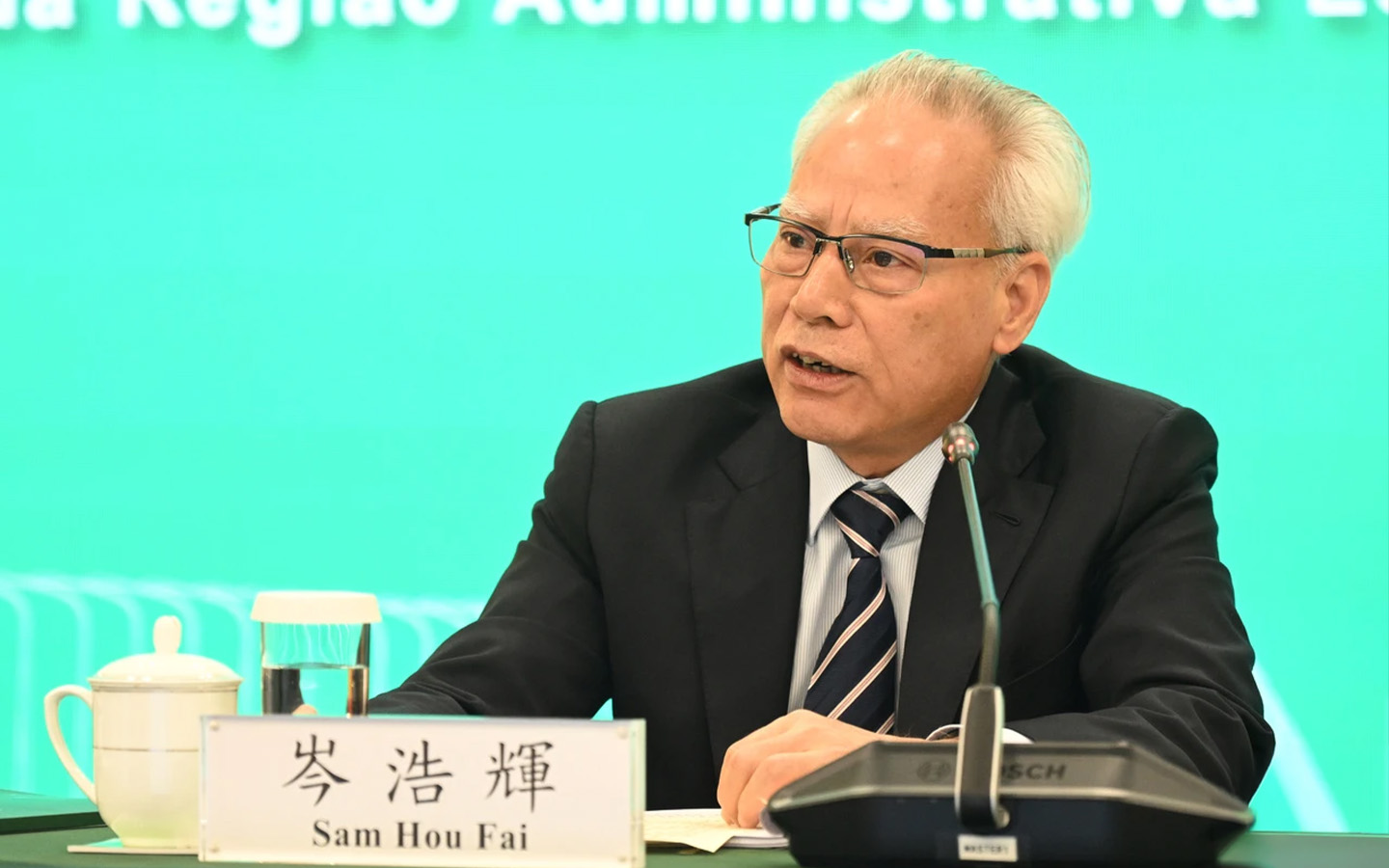
Macao is looking to have non-gambling industries account for around 60 percent of gross domestic product (GDP) by 2030 – a target it had originally set for 2028. The goal is part of the third five-year plan, which was unveiled at a press conference on 18 August, setting the city’s economic and social goals between 2026 and 2030.
According to Macao Chief Executive (CE) Sam Hou Fai, the 150-page document is intended to be a blueprint for SAR’s development, with the city focusing on four key strategic tasks during the plan. It was refined after a 40-day public consultation, which took place between 20 May and 28 June, leading to around 30,000 extra words being added to the Chinese language version of the final document.
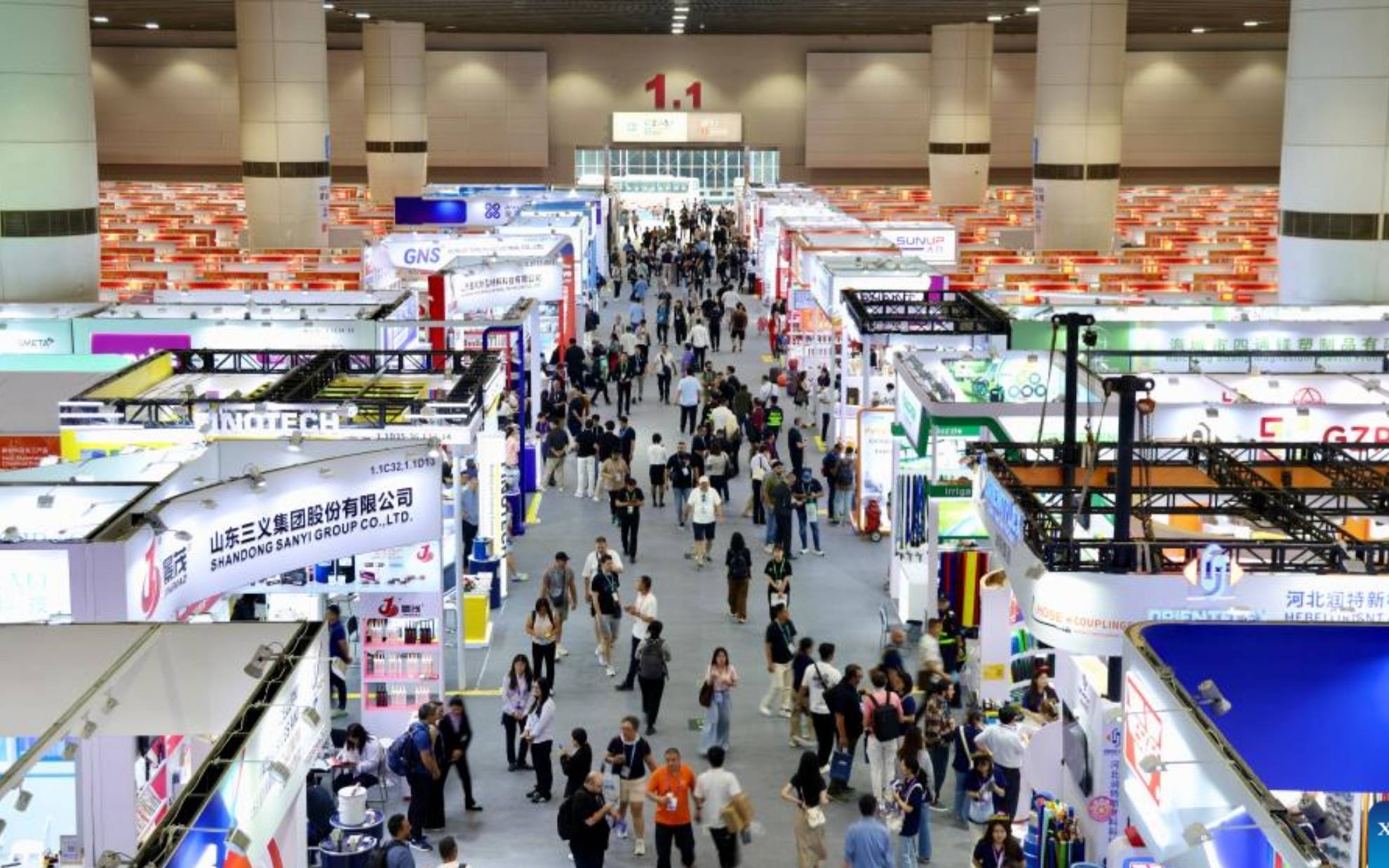
Economic diversification is one of the key anchors, with the government set to invest 130 billion patacas (US$16.1 billion) over the next five years on four major projects, including the Macao-Hengqin International Education (University) Town, the Macao Technology Research Industrial Park, the Macao International Integrated Tourism and Cultural Zone project and Macao airport’s Hengqin Upstream Cargo Terminal.
The government is also looking to further integrate Macao and Hengqin. They will focus on boosting the two sides’ soft connectivity by focusing on aligning their policies, rules and systems, as well as their hard connectivity by building up their integrated infrastructure.
As well, facilitating urban renewal in Macao will be a priority. To this end, the authority pledged to optimise the relevant laws, set up a mechanism for sustainable urban renewal, and organise resources, funding and policy accordingly.
Another major undertaking is strengthening Macao’s ties with the Greater Bay Area (GBA) and Hong Kong, while also further building the city’s role as a platform between China and Portuguese- and Spanish-speaking countries.
How will the government realise the blueprint?
Overall, Macao’s third five-year plan seeks to accomplish the tasks outlined by establishing 35 key economic and social development indicators, as well as eight key development goals.
These goals relate to the following areas national security; governance; economic diversification; Macao-Hengqin development; development in education, technology and talent; people’s well-being; the construction of a smart city; and alignment with China’s national development.
[See more: Sam Hou Fai outlines Macao’s aims for its Third Five-Year Plan]
In terms of applying the plan, the government intends to strengthen coordination and cross-department cooperation, Cheong Chok Man, the head of the Policy Research and Regional Development Bureau, said during the press conference.
“The plan is a comprehensive blueprint that fully reflects scientific rigour, has a forward-looking vision, and is practical in terms of feasibility,” Sam noted.
What has the reaction to the plan been like?
Official and community association response to Macao’s new plan has been positive, with the Macao Liaison Office and the State Council’s Hong Kong and Macao Affairs Office voicing their backing. The latter described the plan as having milestone significance in terms of shaping Macao’s future development.
Various Macao community organisations have been receptive to the plan as well. Speaking to TDM on 18 August, Vong Kok Seng, the deputy director-general of the Macao Chamber of Commerce, said the plan had incorporated many of the suggestions put forth by the business community.
Meanwhile, Un Sio Leng, the director-general of the Women’s General Association of Macau, told TDM that the plan responded to the demands of residents in areas such as employment, housing and retirement.
UPDATED: 19 Aug 2026, 2:42 pm