The SAR generated a GDP of 107.56 billion patacas (US$13.31 billion) between January and March – equivalent to 90.3 percent of the corresponding figure in 2019
Macao’s economy grew 7.1 percent year-on-year in the first quarter of 2026
Article by:
PUBLISHED:

Macao’s gross domestic product (GDP) amounted to 107.56 billion patacas (US$13.31 billion) in the first three months of this year, up 7.1 percent year-on-year, according to revised figures from the Statistics and Census Service (known by its Portuguese initials DSEC).
This figure represents a recovery of 90.3 percent when measured against the economic output recorded during the first quarter of 2019.
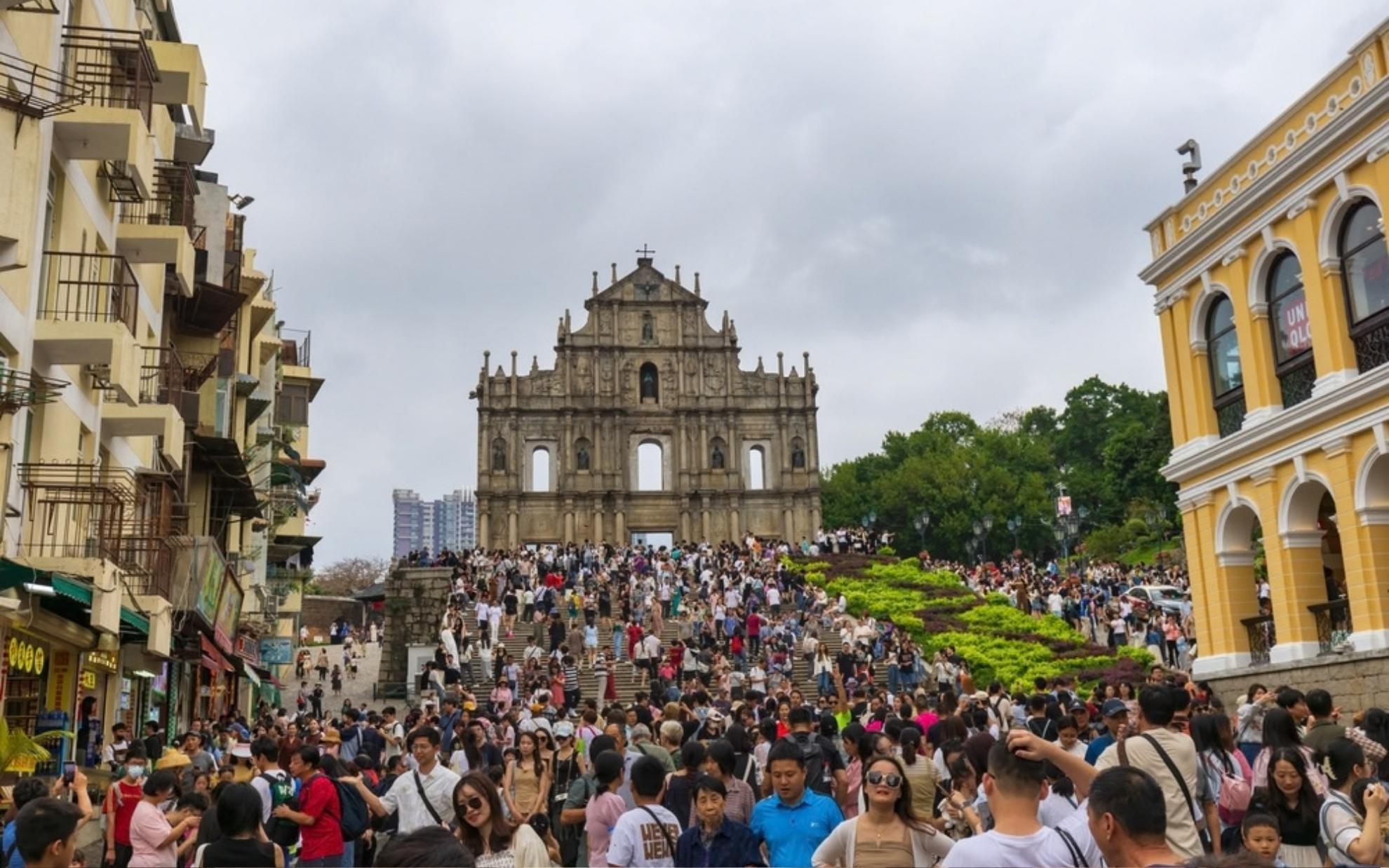
The statistics authority said the recovery was due to the significant jump in visitor arrival numbers during the Lunar New Year and other festive events, which helped to bolster the export of services.
Macao’s visitor arrival rate experienced a year-on-year growth of 13.7 percent in the first quarter, supporting the 12.8 percent increase in overall service exports over that period. By category, tourism service exports rose by 17.5 percent, while gambling service exports jumped by 13 percent.
In terms of merchandise trade, exports experienced a year-on-year rise of 1.1 percent, while imports jumped by 5.8 percent.
As for domestic demand, private consumption in the first quarter grew by 3.4 percent over the same period last year. By contrast, government expenditure fell by 2.8 percent. Similarly, a drop in private and public construction projects resulted in gross fixed capital formation dipping by 21 percent.
[See more: Guangdong’s foreign trade grew 18.4 percent in the first four months of 2026]
Looking ahead, the Macau Economic Association (MEA) expects the city’s economic prosperity index to remain at a “stable” level over the next three months, with projections of 6.6 points out of 10 in May, followed by 6.4 points in June and 6.5 points in July.
According to the organisation, Macao’s economic prosperity index between May and July will be bolstered by various factors, including steady growth in visitor arrival numbers, large-scale concerts, sporting events, exhibitions and an increased demand for travel during the summer holiday, which will help support the restaurant, retail, hotel, gaming and other related sectors.
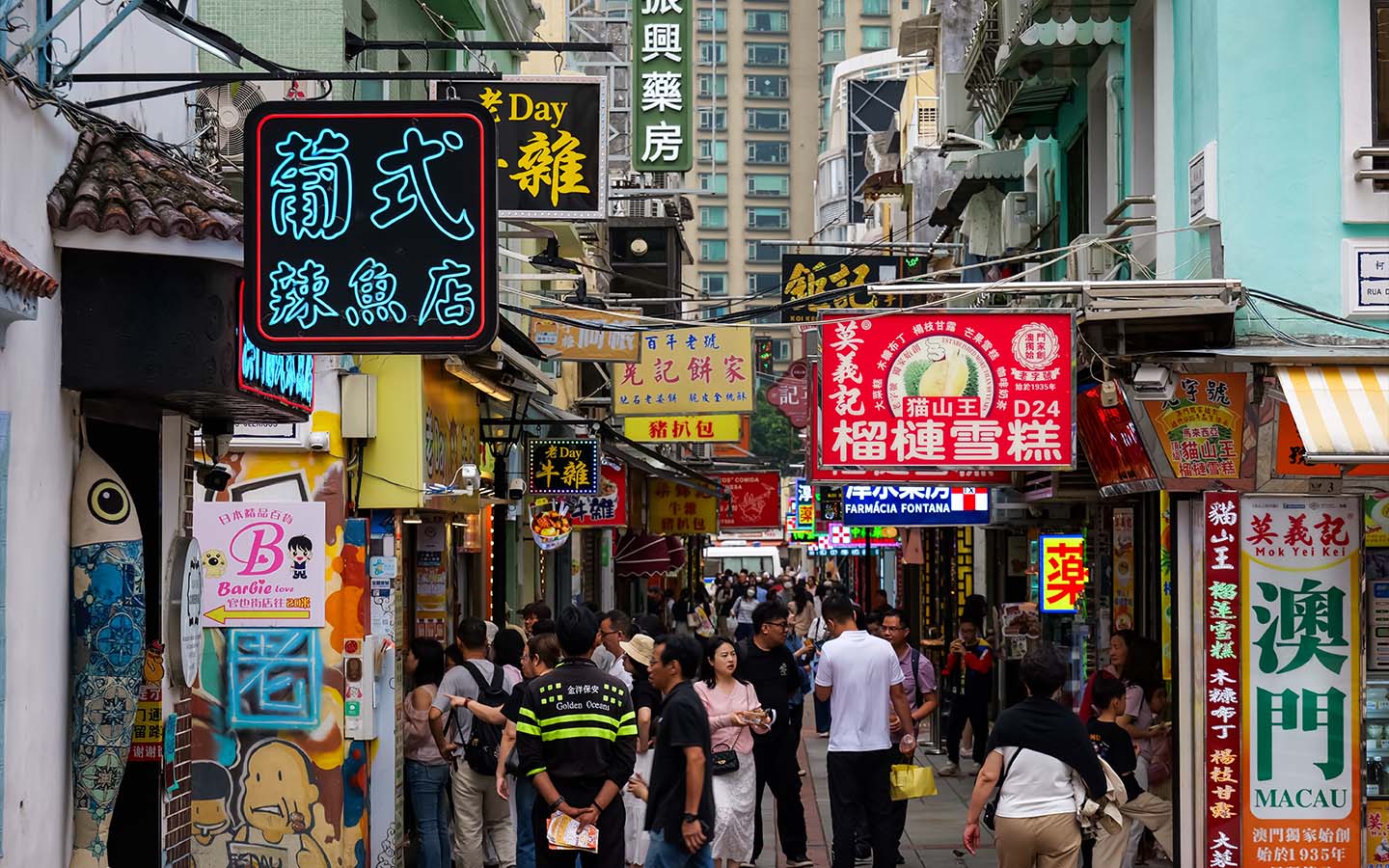
Despite this, the MEA warned that Macao neighbourhoods beyond the usual tourist areas still faced economic pressures, as visitors mainly stayed around the historic centre and the casino-resorts, with local residents continuing to take their spending to mainland China. As a result, consumption in non-tourist districts will be impacted, while small and medium-sized enterprises that have failed to adapt to the changes in a timely manner will face operational pressures.
Other areas of concern that the MEA highlighted included geopolitical tensions, uncertainties in the world economy and the rising international price of crude oil. The organisation pointed out that the US’ latest consumer price index in April exceeded the expectations of the market, which is widely anticipating the US Federal Reserve to slow down interest rate cuts.
Although the MEA said that Macao’s economy was equipped with a certain degree of resilience due to support from the central government, the association mentioned some of the key challenges that the SAR faced, including its overwhelming reliance on gambling and uneven economic development.