In a first-ever mid-year address to the Legislative Assembly, Sam Hou Fai said the 2026-2030 socioeconomic blueprint will be promulgated by August, as he reported that Macao’s economy grew 7.1 percent in the first quarter
Macao will implement its third five-year plan this August, says chief executive
Article by:
PUBLISHED:
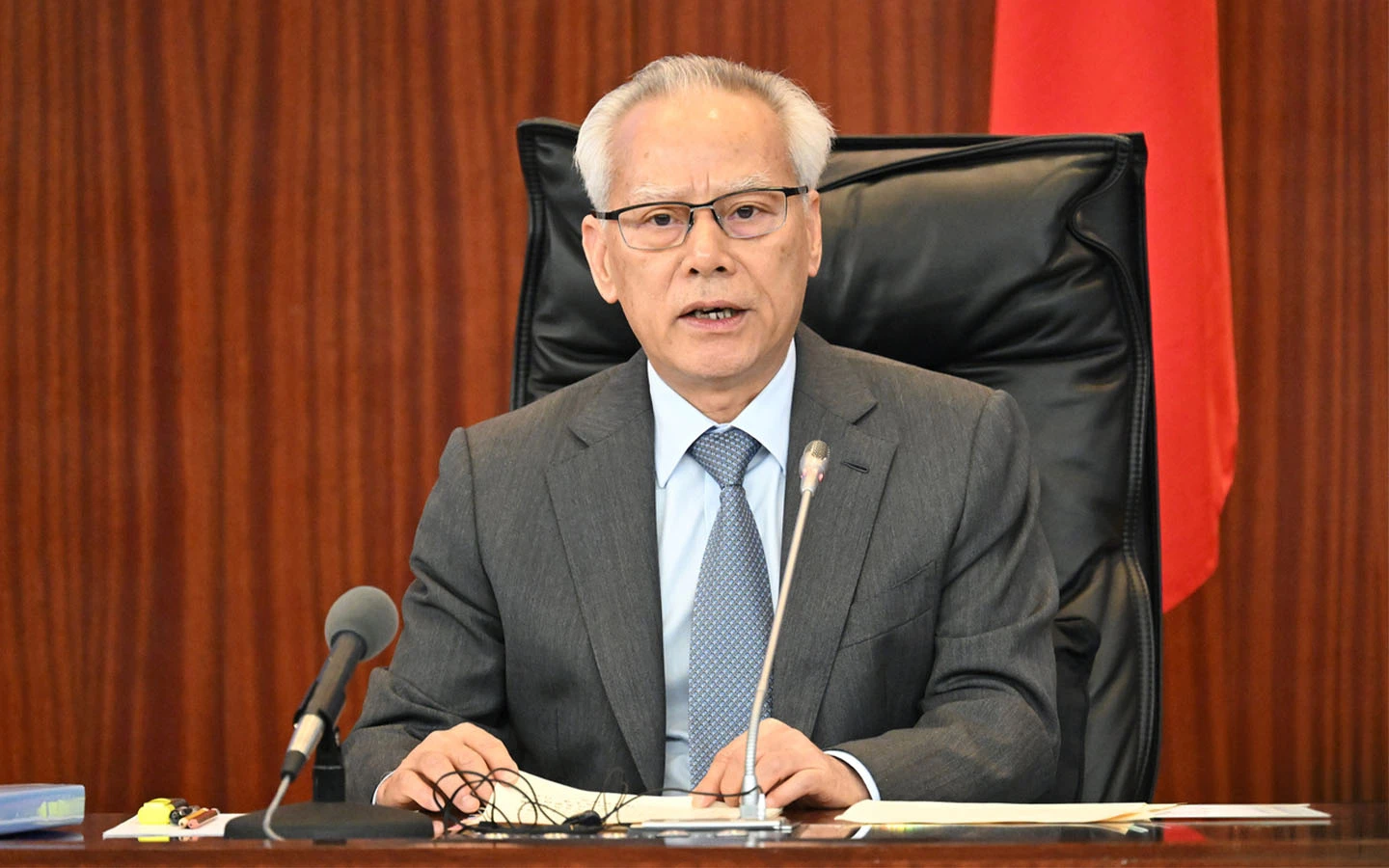
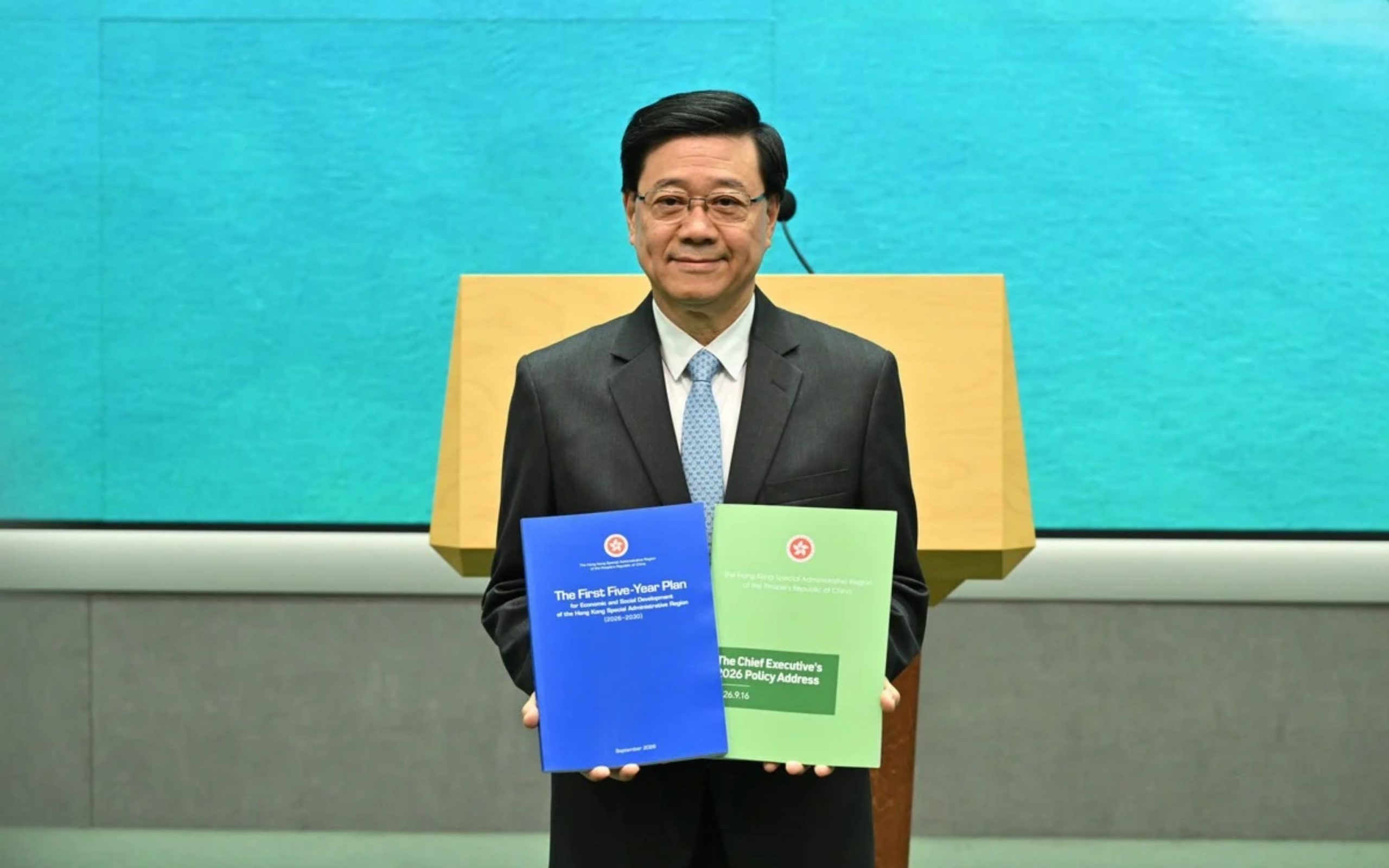
Macao Chief Executive (CE) Sam Hou Fai has announced that the city’s third five-year socioeconomic development plan (2026-2030) is slated for publication and implementation in August. He pointed out this would be among the major tasks his administration would carry out in the second half of this year.
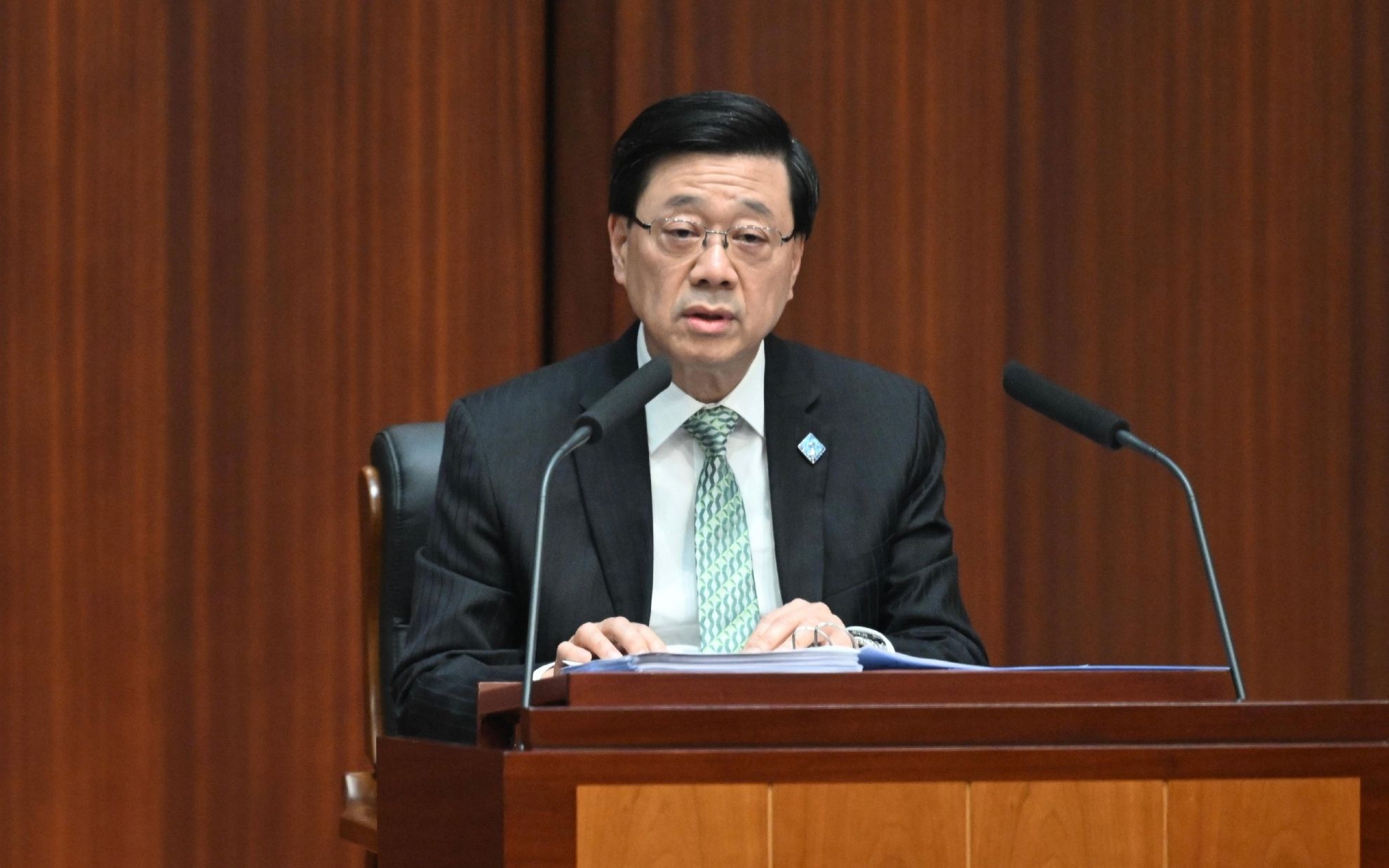
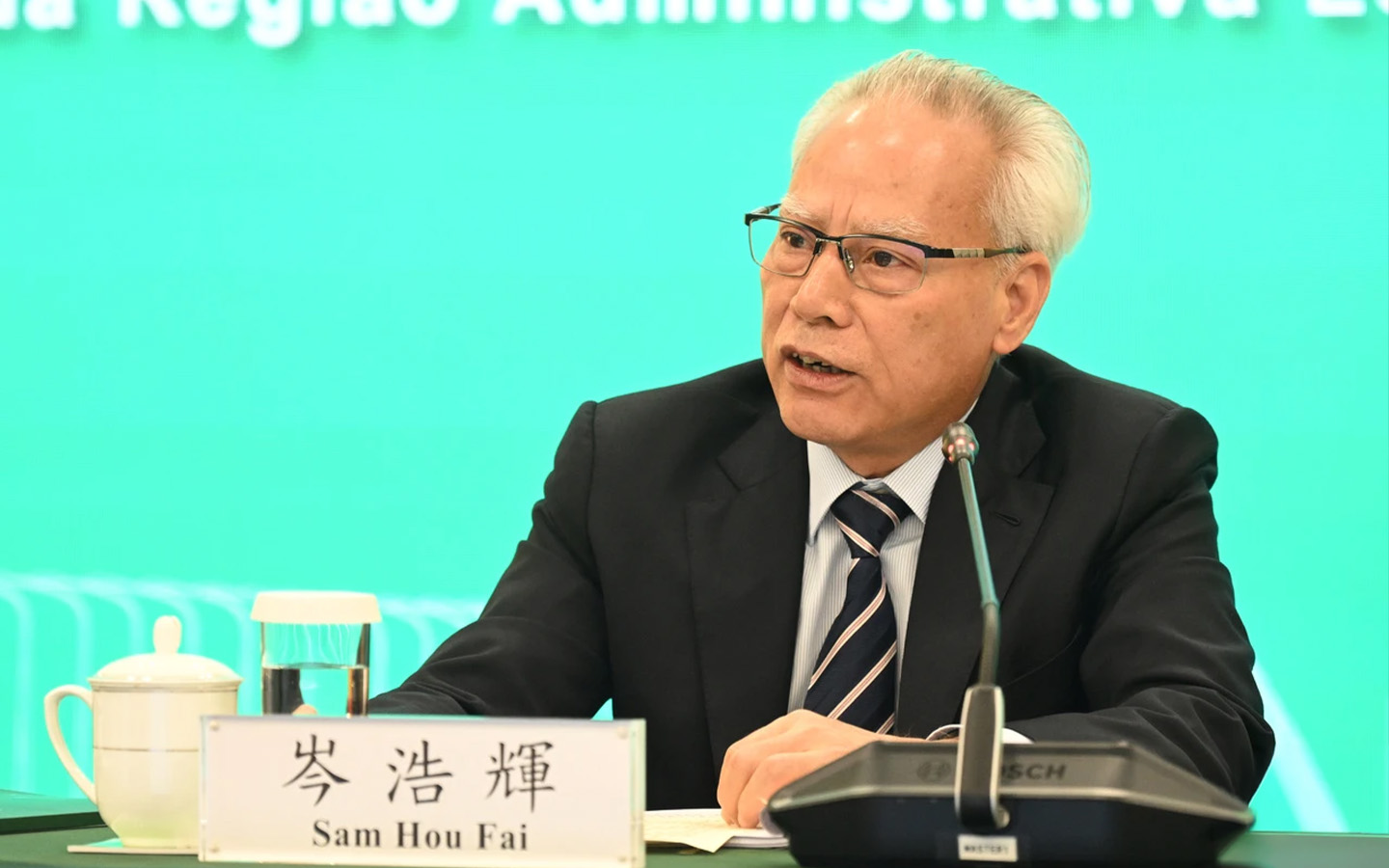
At a Legislative Assembly session yesterday, the CE said the various policy sectors were looking to integrate the five-year plan with next year’s policy agenda by aligning and breaking down the major tasks outlined in the blueprint.
Sam noted that the five-year plan document would be drawn up on the basis of the government’s month-long public consultation, which runs until 28 June.
The government is systematically analysing and integrating various feedback from the different sectors of society, with Sam mentioning that the government had collected 1,550 pieces of feedback so far, covering key areas of concerns such as economic diversification, Hengqin’s construction and the integrated development of talents in education, as well as science and technology.
Other priorities include promoting economic diversification through four major projects spanning education, aviation, tourism, and science and technology.
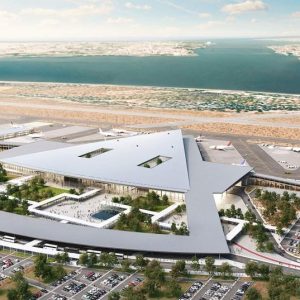
One of these projects – the Macao International Airport’s upstream cargo terminal in Hengqin – is scheduled to begin a trial run of its business procedures in the third quarter of this year, prior to the facility’s completion and approval in the first quarter of 2027.
Similarly, the government has allocated land within the future Macao Technology Research Industrial Park for a major computing centre aimed at bolstering Macao’s computing and AI capacity.
Public administration reform is another area that the SAR government is concentrating on. To this end, Sam said the public department restructuring and changes to the civil service career system would be implemented, alongside a new platform to gather public feedback.
“We will leverage various high-level coordination and leadership mechanisms to establish a governance structure centred on the CE,” Sam said. He added that it would be “vertically-integrated” and “horizontally-coordinated,” so as to boost government efficiency.
Sam also pledged to continue supporting small and medium-sized enterprises (SMEs), offering them support through four projects intended to help them to adapt and upgrade their operations. At the same time, he listed street-level measures such as consumption schemes and directing visitors to neighbourhoods as a means to spur economic development at a community level.
[See more: Ng Wai Han appointed Macao’s Secretary for Economy and Finance]
The CE also reviewed the past six months, saying that Macao’s economy had remained stable and continued to improve.
In the first quarter of this year, the SAR’s gross domestic product (GDP) totalled 107.5 billion patacas, up 7.1 percent year-on-year. When compared to the pre-pandemic year of 2019, the first quarter result represents a recovery of 90.3 percent.
The government recorded tax revenue of 49.68 billion patacas in the first five months of the year, with the financial reserve standing at 687.3 billion patacas at the end of April. The overall unemployment rate for February to April held at a low 1.8 percent.
Meanwhile, Hengqin’s GDP in the first three months of 2026 grew by 5.5 percent year-on-year, totalling 14.27 billion yuan.
Yesterday also saw Macao’s newly inaugurated Secretary for Economy and Finance, Ng Wai Han, address the media. She highlighted the difficulties and challenges that Macao’s economy was currently facing, including readjustment to its economic model and unbalanced development between districts.
The secretary said her main task would be to continue pushing for economic diversification, pointing out that she would implement measures such as promoting non-gaming investment projects by leveraging mechanisms from different sectors and strengthening communication with SMEs.
UPDATED: 17 Jun 2026, 3:53 pm