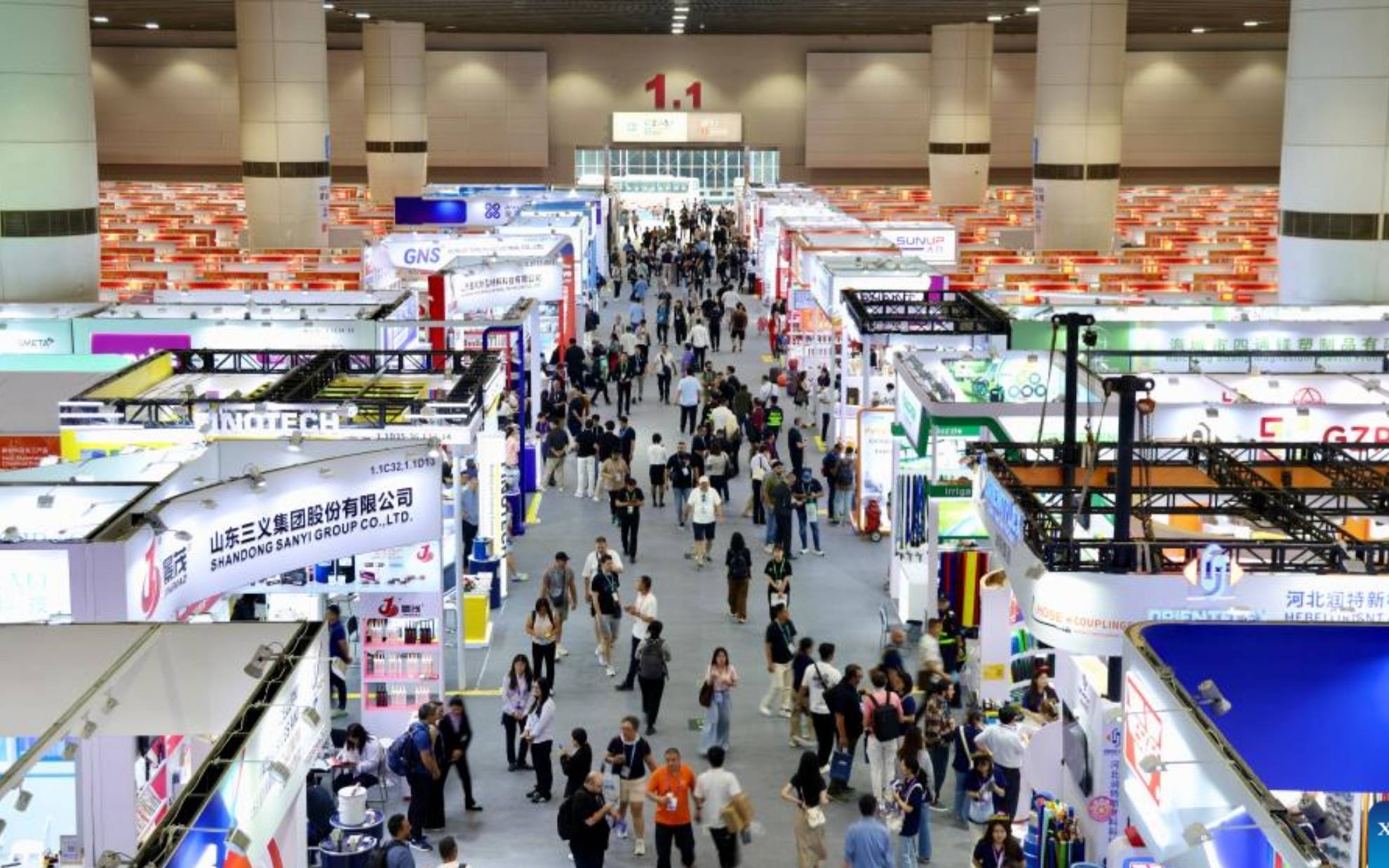
The Hong Kong government has detailed progress on the Northern Metropolis, outlining distinct industrial roles and upcoming incentives.
Hong Kong’s Northern Metropolis takes shape across several new areas
Article by:
PUBLISHED:
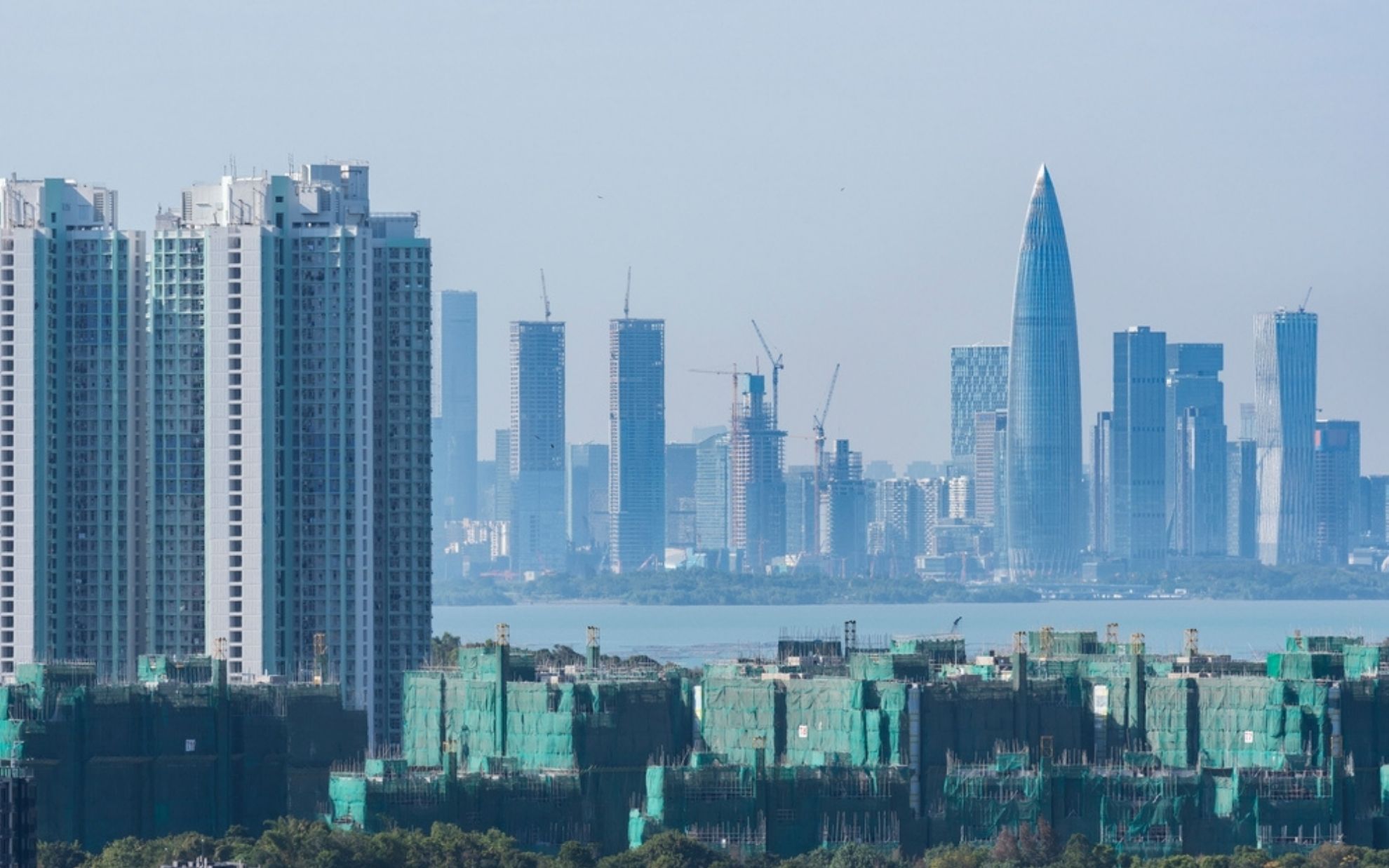
The industrial layout of the Northern Metropolis in Hong Kong is gradually taking shape, with its nine new development areas each serving a distinct functional role, according to a progress report presented to the Hong Kong legislature on Wednesday.
During a meeting of a Legislative Council subcommittee, officials discussed the mega project’s latest developments, China Daily reports. The report outlined land planning and allocation for each of the nine zones, highlighting their specific industrial positions.
[See more: Legislature begins debate on Hong Kong’s first five-year plan]
Under the city’s first five-year plan, approximately 900 hectares of developable land will be released between 2026-27 and 2030-31. Of this total, 400 hectares will be dedicated to industrial use, underscoring the authorities’ strong emphasis on industrial development.
Furthermore, the government is currently in discussions with 45 local and overseas enterprises regarding potential establishment in the emerging township, which is projected to house one-third of the city’s population upon maturity. The area will span diverse sectors, including education, innovation and technology, industrial manufacturing, tourism, advanced construction, pharmaceuticals, and logistics supply chains, China Daily said.
Progress on the Northern Metropolis industrial layout
To support innovation, about 220 hectares of land will be produced by 2030-31 across two major hubs: the Hong Kong Park of the Hetao Shenzhen-Hong Kong Science and Technology Innovation Co-operation Zone and the San Tin Technopole.
This supply will account for over 70 percent of the new township’s total innovation land, according to China Daily. Additionally, approximately 32 hectares of logistics sites in the Hung Shui Kiu / Ha Tsuen New Development Area near Shenzhen Bay Port have been designated for a modern logistics cluster.
[See more: Hong Kong retains its position as the freest economy globally]
Lawmakers have emphasised the need for supportive legislation to unlock capital and attract incoming enterprises. Legislator Nicholas Chan Hiu-fung noted that it is an opportune time to legislate to ease cross-border trade, data flows, and tax cooperation. Similarly, lawmaker Yiu Ming called for expedited policies covering business startups, operations, professional services, and accommodation for incoming talent to drive the region forward.